It is one of the most fascinating yet forgotten chapters of Philippine history.
When Filipinos think of Taiwan, they usually think of overseas jobs, milk tea, or a neighbor just across the Luzon Strait.
Few realize that for 16 years, part of Taiwan was actually governed from Manila.
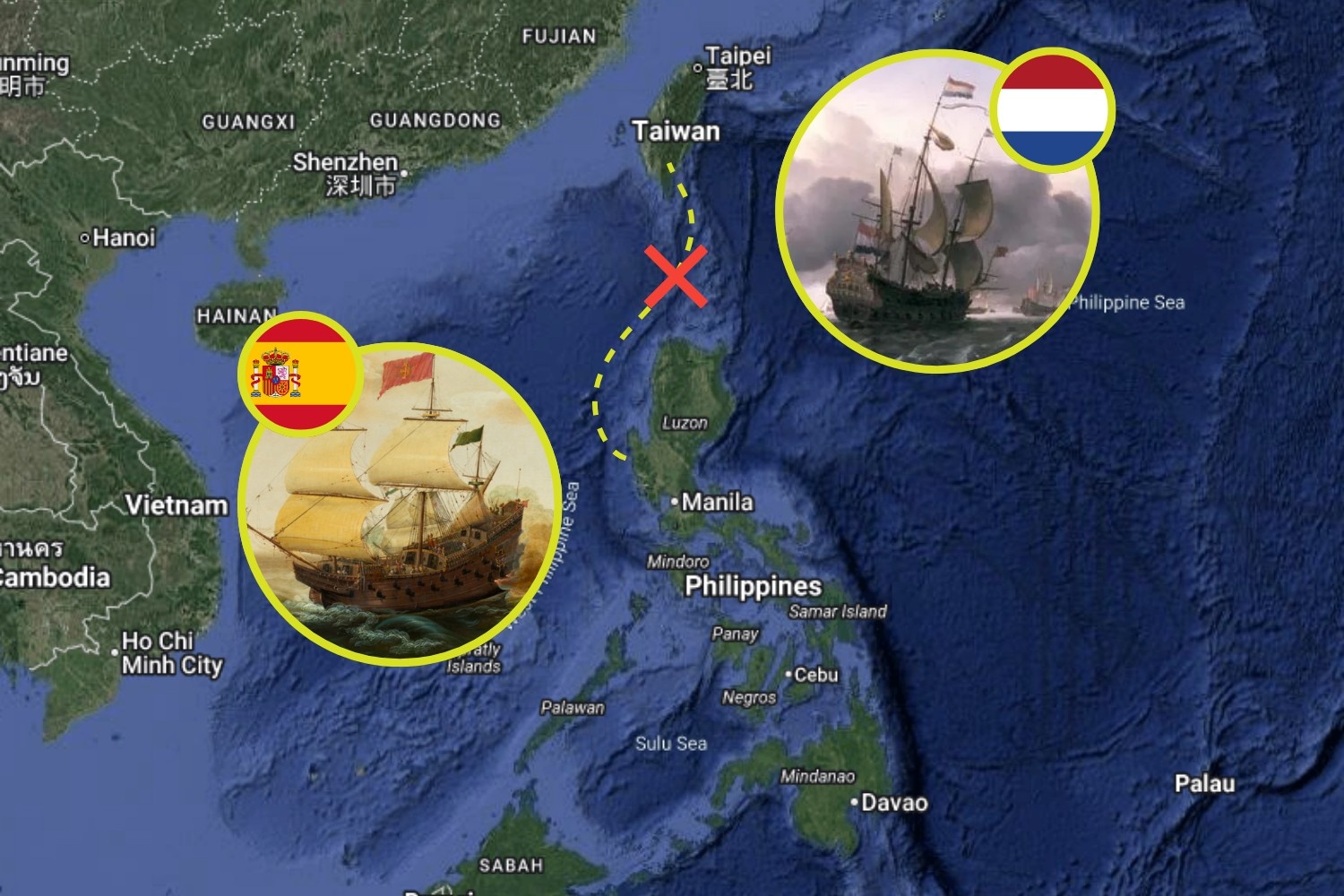
From 1626 to 1642, northern Taiwan—then known to Europeans as Formosa—was administered as part of the Spanish East Indies, the vast colonial territory centered in the Philippines. While Taiwan was never geographically part of the Philippine archipelago, it was politically and administratively tied to Manila, making it one of the most fascinating yet forgotten chapters of Philippine history.
The story began with a rivalry between two European empires.
In the early 1600s, Manila was one of Spain’s richest colonies because of the Manila-Acapulco Galleon Trade. Chinese merchants regularly sailed to Manila carrying silk, porcelain, and other valuable goods, exchanging them for silver from Mexico.
Everything changed in 1624 when the Dutch East India Company established a powerful base in southern Taiwan. From there, Dutch ships threatened the sea routes supplying Manila, prompting Spanish authorities to launch a military expedition from the Philippines to secure northern Taiwan.
On May 5, 1626, ships departed Manila carrying Spanish officials, Mexican soldiers, missionaries, and hundreds of native Filipino troops. Their destination was the island now known as Taiwan.
The expedition established Fort San Salvador in present-day Keelung as its main military headquarters. Three years later, another fortress, Fort Santo Domingo, was built in Tamsui to strengthen Spanish control over northern Taiwan.
Although the colony flew the Spanish flag, its lifeline was Manila.
Orders came from the Governor-General of the Philippines. Funding came from Manila’s treasury. Supplies crossed the Luzon Strait from Philippine ports. Even the colony’s defense depended heavily on Filipinos.
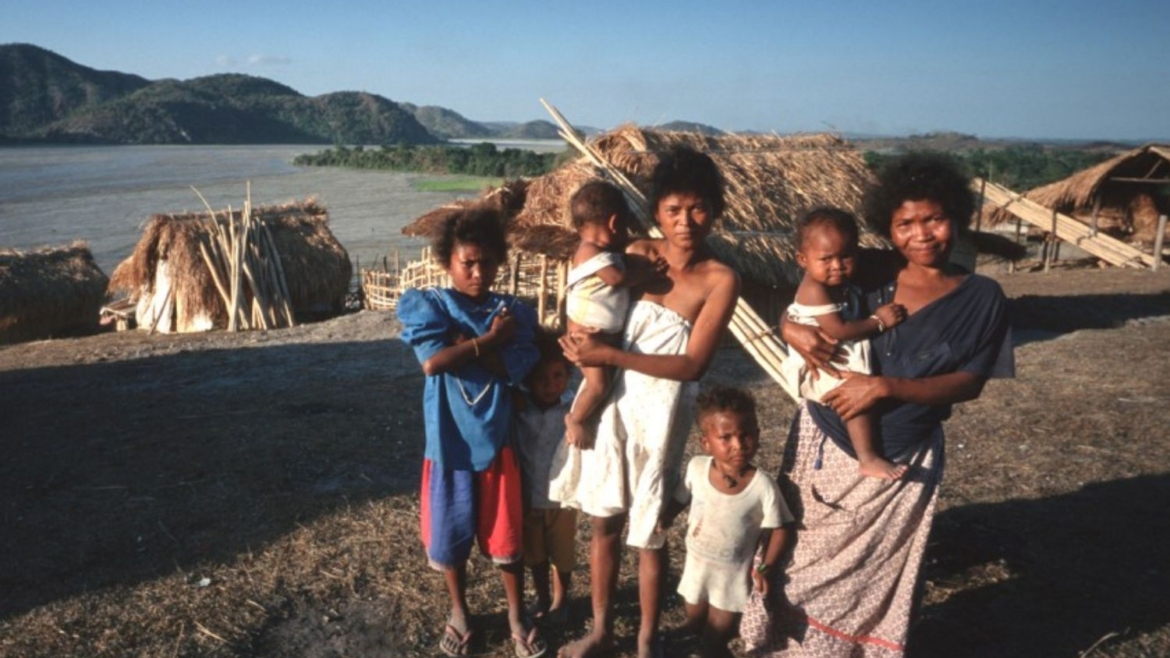
Historical records show that many of the soldiers defending Spanish Formosa were recruited from Pampanga and Cagayan. These Filipino warriors guarded forts, built stone fortifications, crewed ships, and fought alongside Spanish and Mexican troops against Dutch attacks and local conflicts.
In many ways, Filipino blood helped sustain Spain’s foothold in Taiwan.
Life, however, was far from easy.
The colony suffered from food shortages, disease, delayed supplies, and repeated Dutch assaults. Some Filipino soldiers reportedly deserted because of hunger and poor treatment, even joining the Dutch, who offered better conditions.
After years of struggle, the Dutch launched a major offensive in 1642. Following a six-day siege, the weakened Spanish garrison surrendered, ending Spain’s presence in Taiwan.
The Dutch then took control of the island, bringing an end to the brief period when part of Taiwan was administered from Manila.
The episode is often oversimplified online as “Taiwan was once part of the Philippines.”
Historians caution that this is not geographically or politically accurate in the modern sense. Taiwan was never part of the Philippine archipelago. Rather, northern Taiwan was an overseas dependency of the Spanish East Indies, whose capital was Manila. In practical terms, it was governed from the Philippines, funded by Philippine revenues, and defended in part by Filipino soldiers.
It is a reminder that Manila was once more than just the capital of the Philippines. During the Spanish colonial era, it served as Spain’s principal political, military, and commercial hub in East Asia, projecting its influence far beyond the islands that now make up the Philippine nation.
READ: