A content creator shared that someone had been impersonating her using her voice. Photos by Getty Images & @gwens_journal / TikTok
Concerns regarding AI and privacy continue to circulate online.
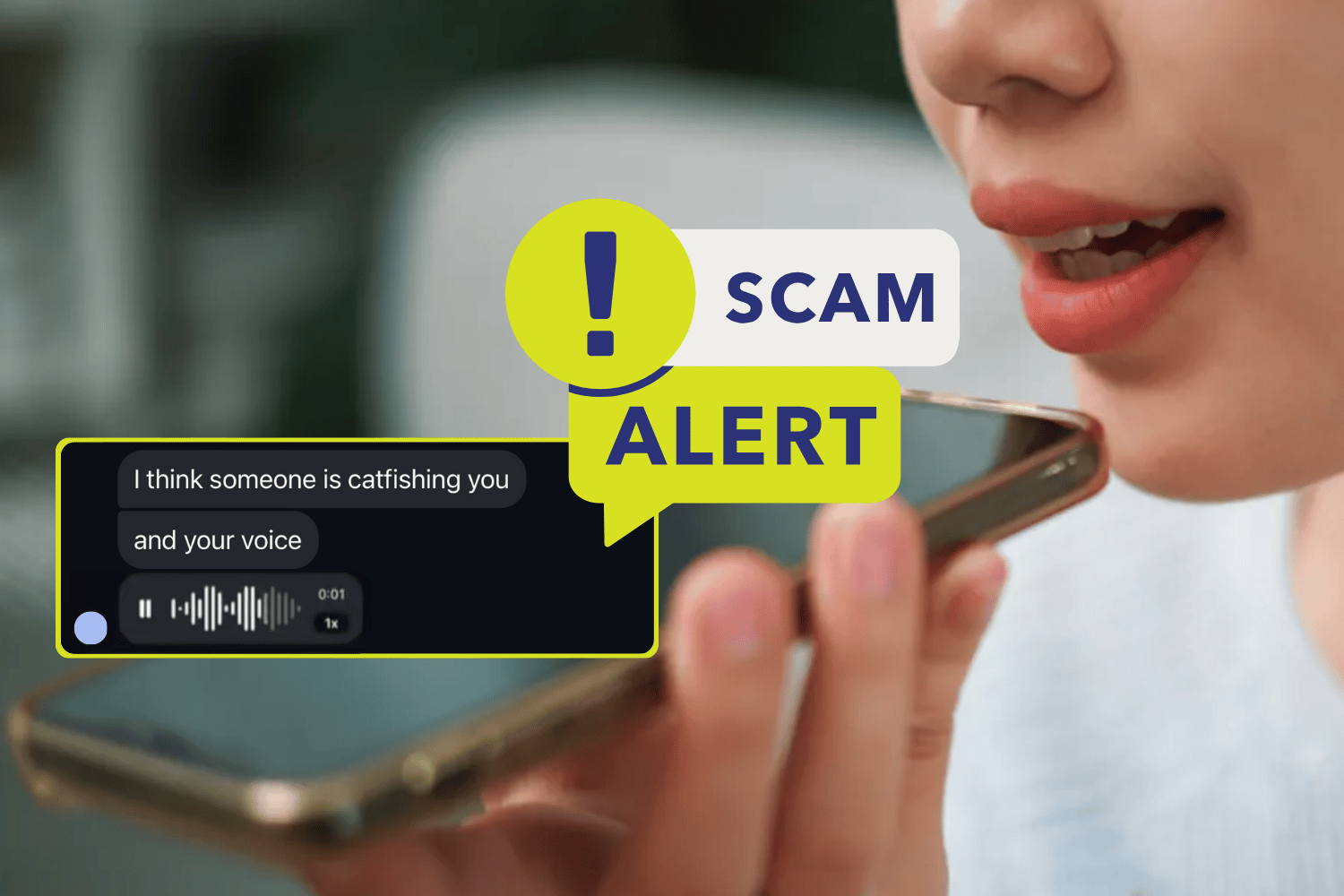
A scam involving AI-cloned voices is circulating on social media, with users warning about fake Instagram accounts impersonating real people through eerily convincing voice messages.
Content creator @gwens_journal recently shared on TikTok that someone had been impersonating her on Instagram, creating multiple fake accounts and sending voice messages to her friends using what sounded like her own voice.
@gwens_journal 🚨Ive debated whether to post this or not but let our experience serve as a reminder to everyone. My friends and I were targeted by this impersonation scam that knew almost everything about us – hobbies, friends, jobs. 🚨How? Through our posts, the people that were tagged, story highlights, etc. For those of us that had reels, our voice was stolen too. The goal? To get you to share something so personal. or even worse, get you on a sexual video call for blackmail. so PLEASE ‼️ Dont engage with accounts you aren’t sure of or randomly accept follow requests without double checking with your friends. + for the ones that post, please be vigilant and filter out the information that you share being a girl is scary, and all the more on social media. (@nettyinojales explains the entire scam perfectly in her two videos) #scam♬ original sound – gwen 🙂
At first listen, the messages appear authentic. But what makes the scam especially convincing is that the impersonators also mention familiar names or personal details, creating the impression that the recipient is speaking with someone they already know.
The incident has fueled renewed concerns about AI voice cloning, a technology capable of generating realistic speech from relatively short voice samples that people often share publicly through videos or other online content.
Some commenters also shared their own experiences: “Recently I’m getting these calls na naririnig mo na meron something sa other line pero walang nagsasalita.” Others speculated that such calls could be attempts to test active phone numbers or capture voice samples.
Citing their office’s information technology team, one commenter advised against sharing personal information with AI platforms. While concerns about AI and privacy continue to circulate online, there is no evidence that AI chatbots make users’ private conversations publicly accessible.
Even so, scammers could use AI to replicate a person’s voice. They frequently piece together publicly available information, including names, photos, videos, tagged locations, and social media posts, to make impersonation attempts appear more believable.
Cybersecurity experts have since advised letting unknown callers speak first; limiting the amount of personal information shared publicly; being cautious of unexpected voice messages or requests involving money; and verifying unusual conversations through another trusted communication channel first.
Clarisse Dane Phillippe Tarroja Rubite is a dedicated Communication Arts student at De La Salle University Manila, where she is honing her skills in storytelling and media production. Currently, she serves as a researcher and writer for Archers Network, the university's official television network, where she uses her academic insights with practical experience.