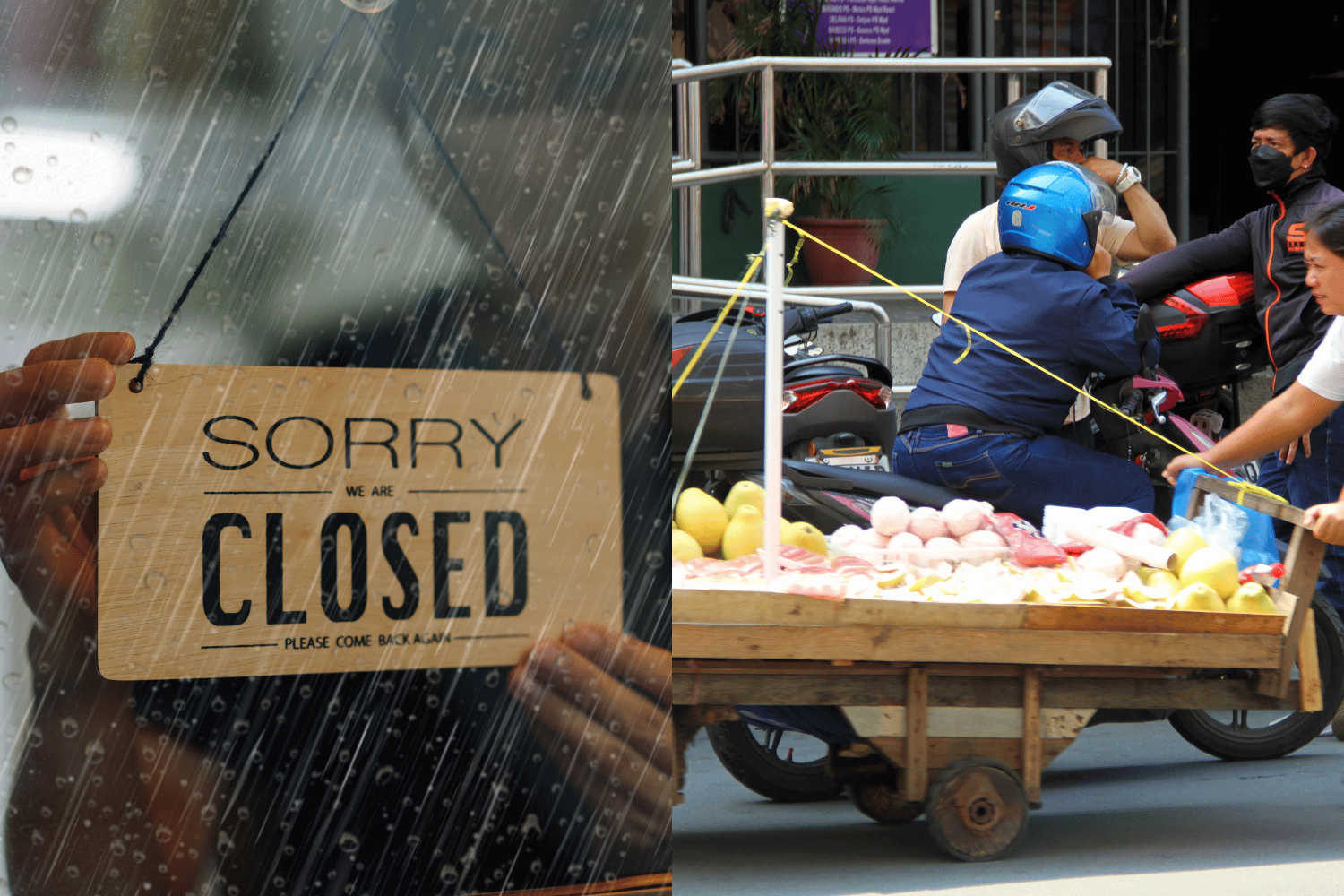
Frequent rainfall is reducing working hours, hurting incomes, productivity, and business operations, prompting calls for more climate-responsive labor policies.
Frequent rainfall is becoming an economic problem, not just a weather concern. A new study by the Philippine Institute for Development Studies (PIDS) found that regular downpours are reducing working hours across key sectors, weighing on productivity, business operations, and workers’ earnings.
The biggest hit falls on people who cannot simply work from home, such as construction workers, farmers, and transport workers. Because their jobs depend on being outdoors or on physical presence, they often lose working hours instead of losing employment altogether. That still means smaller paychecks, especially for daily wage earners and short-term workers who have little financial cushion.
The ripple effects extend beyond individual workers. Rain can delay deliveries, slow production, disrupt supply chains, and make it harder for businesses to keep operations running on schedule. When these disruptions happen repeatedly across the country, even small reductions in working hours add up to meaningful economic losses.
PIDS said rainfall should no longer be treated only as a disaster management concern. The think tank urged policymakers to expand flexible work arrangements where possible, invest in flood-resilient infrastructure, and strengthen social protection for workers whose livelihoods depend on the weather.
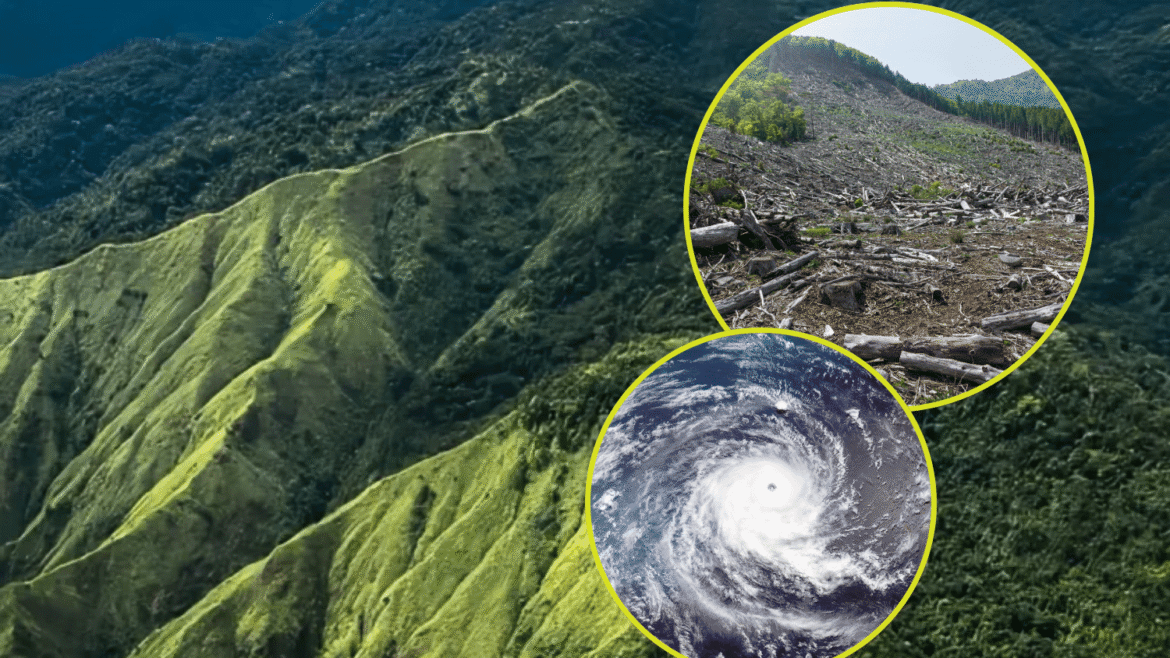
As heavier rains become more common, the study argues that labor policies must keep pace with a changing climate instead of waiting for the next major storm.
READ: