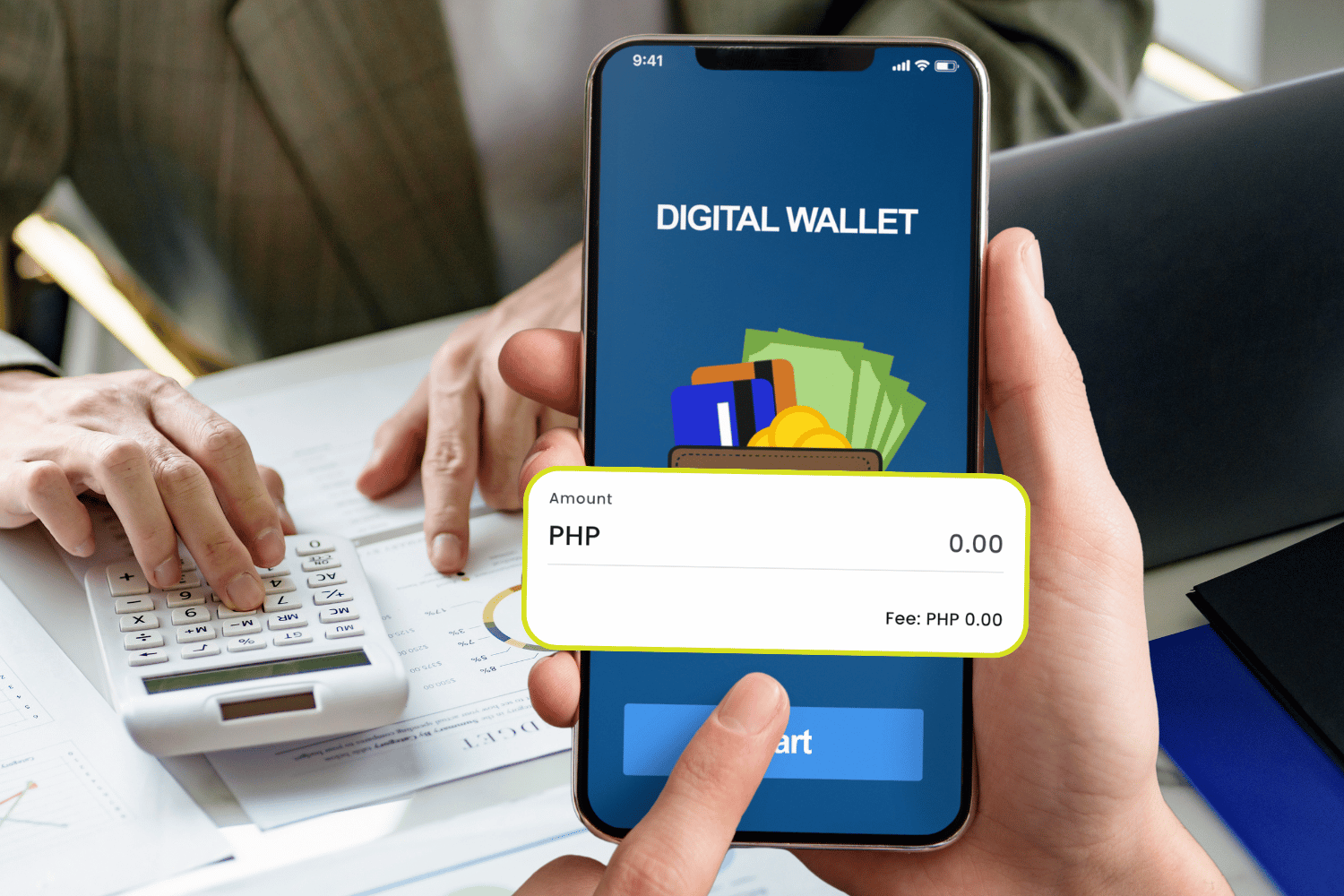
Banks earn from deposits while e-wallets cannot, which makes fees more material.
Calls to eliminate fund transfer fees have become increasingly popular, especially as more Filipinos rely on digital payments for everyday transactions. Lower costs would undoubtedly benefit consumers. But some industry groups argue that treating banks and e-wallets the same when it comes to transfer fees overlooks a fundamental difference in how the two operate.
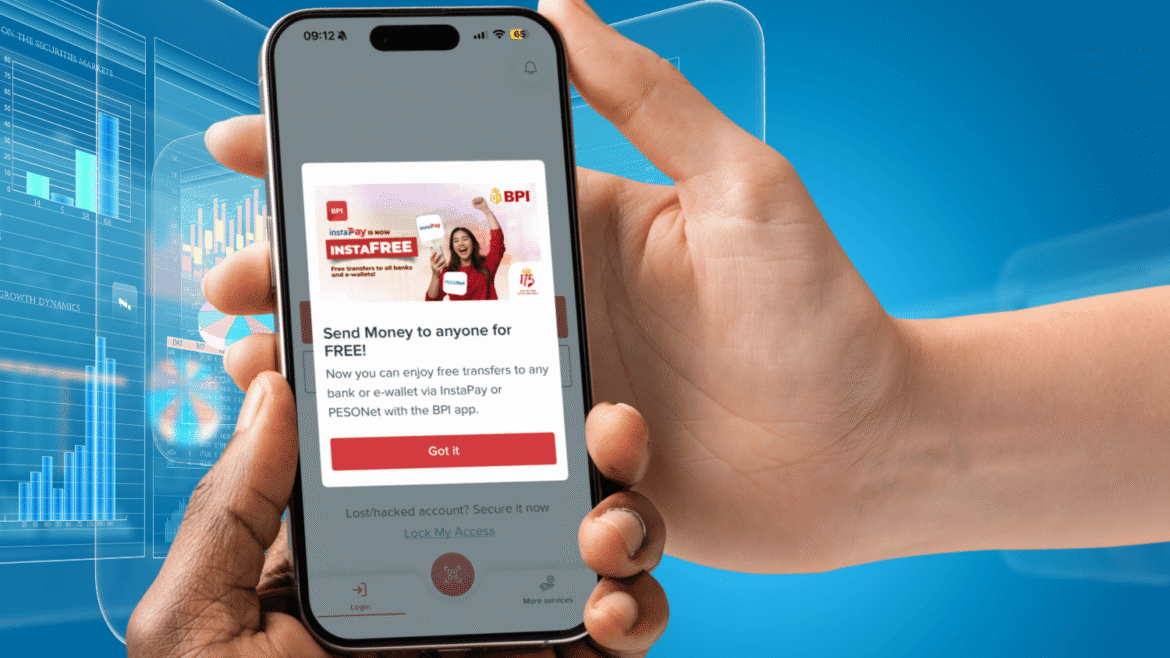
The debate has gained momentum after major banks began rolling out free interbank transfers. BPI permanently waived InstaPay and PESONet transfer fees starting July 1, while RCBC followed on July 4 by offering free InstaPay transfers through its digital platforms. The moves came after the Bangko Sentral ng Pilipinas (BSP) allowed banks to set their own transfer fees, paving the way for lenders to compete more aggressively on pricing. More banks are expected to follow, according to BSP Governor Eli Remolona Jr.
At the center of the discussion is whether electronic money issuers (EMIs), including operators of popular e-wallets such as GCash and Maya, have the same financial flexibility as banks to absorb zero-fee transfers.
Both GCash and Maya have lowered their InstaPay transfer fees to ₱10 per transaction from ₱15, although neither has matched the zero-fee model now being adopted by some banks. Transfers within their own platforms remain free.
Unlike banks, which generate much of their revenue from lending, deposits, and other financial products, e-wallet providers operate under a different business model that is more dependent on transaction-based activity.
According to industry experts, banks derive roughly 87% of their revenues from non-fee sources and only about 13% from fees. By comparison, EMIs earn around 90% of their revenues from fees and commissions. While universal banks post healthy profit margins, many wallet operators are still working toward sustained profitability.
That difference, industry groups argue, means removing transfer fees would have a much greater financial impact on wallets than on banks, even as zero-fee transfers become increasingly common among traditional lenders.
Expanding financial inclusion
The discussion comes as the BSP continues to promote affordable digital financial services while expanding financial inclusion.
Consumer advocates have long argued that lower transaction costs could encourage greater adoption of digital payments. Industry groups, however, say affordability should be balanced with the long-term sustainability of payment providers.
They note that digital transfers involve ongoing costs beyond simply moving money between accounts. Wallet operators continue to invest in cybersecurity, fraud prevention, regulatory compliance, customer support, system maintenance, and interoperability with other financial institutions.
For e-wallet providers, transfer fees also help support physical cash-in and cash-out networks, which remain essential in a country where many users still move between cash and digital money.
According to industry estimates, around 43% of wallet users cash in through offline channels. These services are particularly important in areas outside major cities and among lower-income users who may have limited access to traditional banking infrastructure.
Industry data further suggests that a significant portion of the operating cost of these offline networks is subsidized by wallet providers themselves, with part of the funding coming from bank transfer revenues.
Supporters of market-based pricing also argue that removing a key revenue source too early could discourage future investment in digital payments. Payment platforms continue to spend heavily on expanding services, strengthening security, and developing new products, all of which require long-term capital.
They warn that regulatory policies that effectively eliminate a major source of revenue before the market fully matures could make investors more cautious about funding future innovations in the sector.
Bringing filipinos into formal financial system
The Philippines also presents a different landscape from countries often cited as examples of free digital transfers, according to the same industry paper. Banking penetration remains lower than in many developed markets, while digital wallets have played a significant role in bringing previously unbanked and underbanked Filipinos into the formal financial system.
Industry groups stress that they are not opposing affordable digital payments or competition. Instead, they argue that regulators should consider the different business models of banks and e-wallets when evaluating transfer fee policies.
The appeal of lower transfer fees is easy to understand. The challenge, industry observers say, is ensuring that pricing reforms do not weaken the investments that have helped expand digital finance across the country. Striking a balance between affordability and business viability may ultimately determine how the Philippines’ digital payments ecosystem continues to grow.
READ:
ANALYSIS: Why BPI’s free transfers may change expectations in digital banking
Kenneth M. del Rosario
July 1, 2026

RCBC waives InstaPay fees for eligible transfers starting July 4
radar Business
July 3, 2026

Is it possible to lower down bank transaction fees to ₱2 to ₱5 range after BSP lift freeze?
Walter C. Villa
June 20, 2026