The gap in the plastic pollution problem
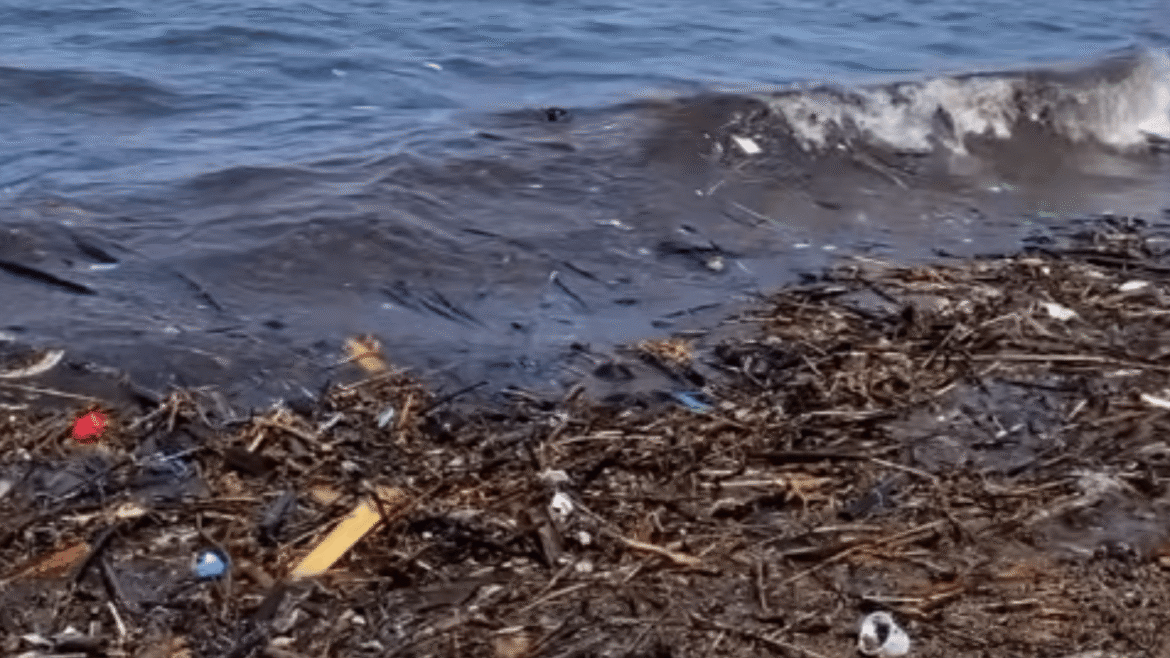
In 2021, a World Bank study stated that the Philippines generates 2.7 million tons of plastic waste each year, with about 20% of it ending up in oceans.
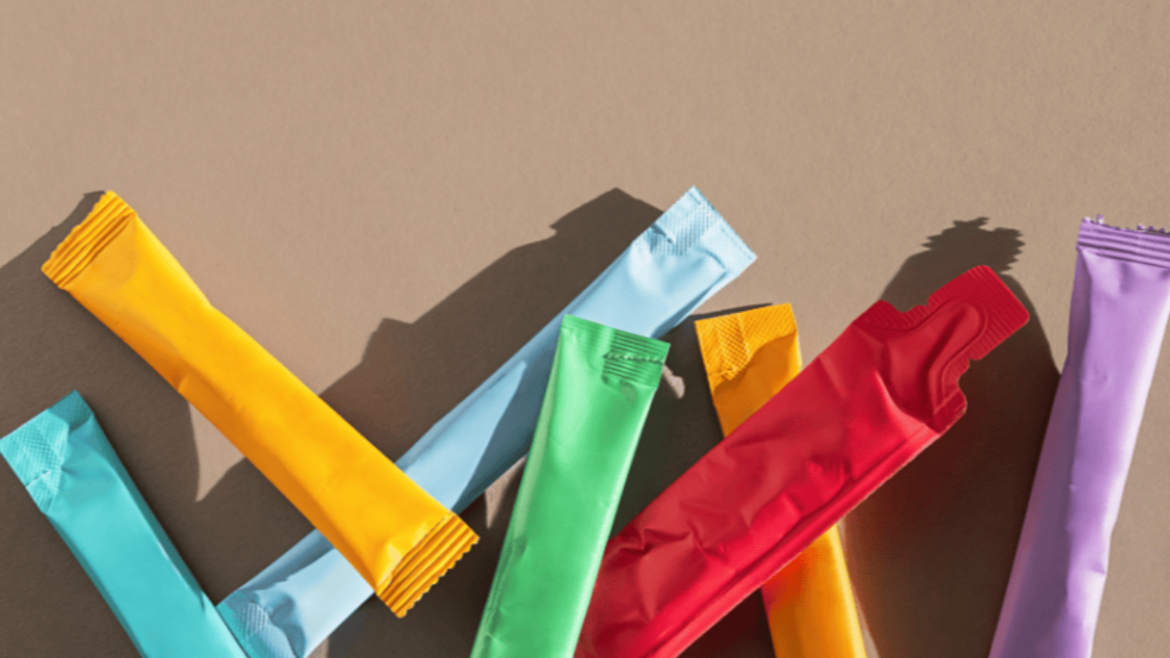
The country’s reliance on plastic has been driven by its convenience and low cost, but it has also contributed to problems in sustainable plastic production and consumption, as well as gaps in solid waste management.
These problems remain despite the country enacting the Ecological Solid Waste Management Act, or Republic Act 9003, in 2000.
From time to time, posts of marine animals trapped in plastic waste go viral. Beyond wildlife, plastic pollution also poses risks to the environment and public health.
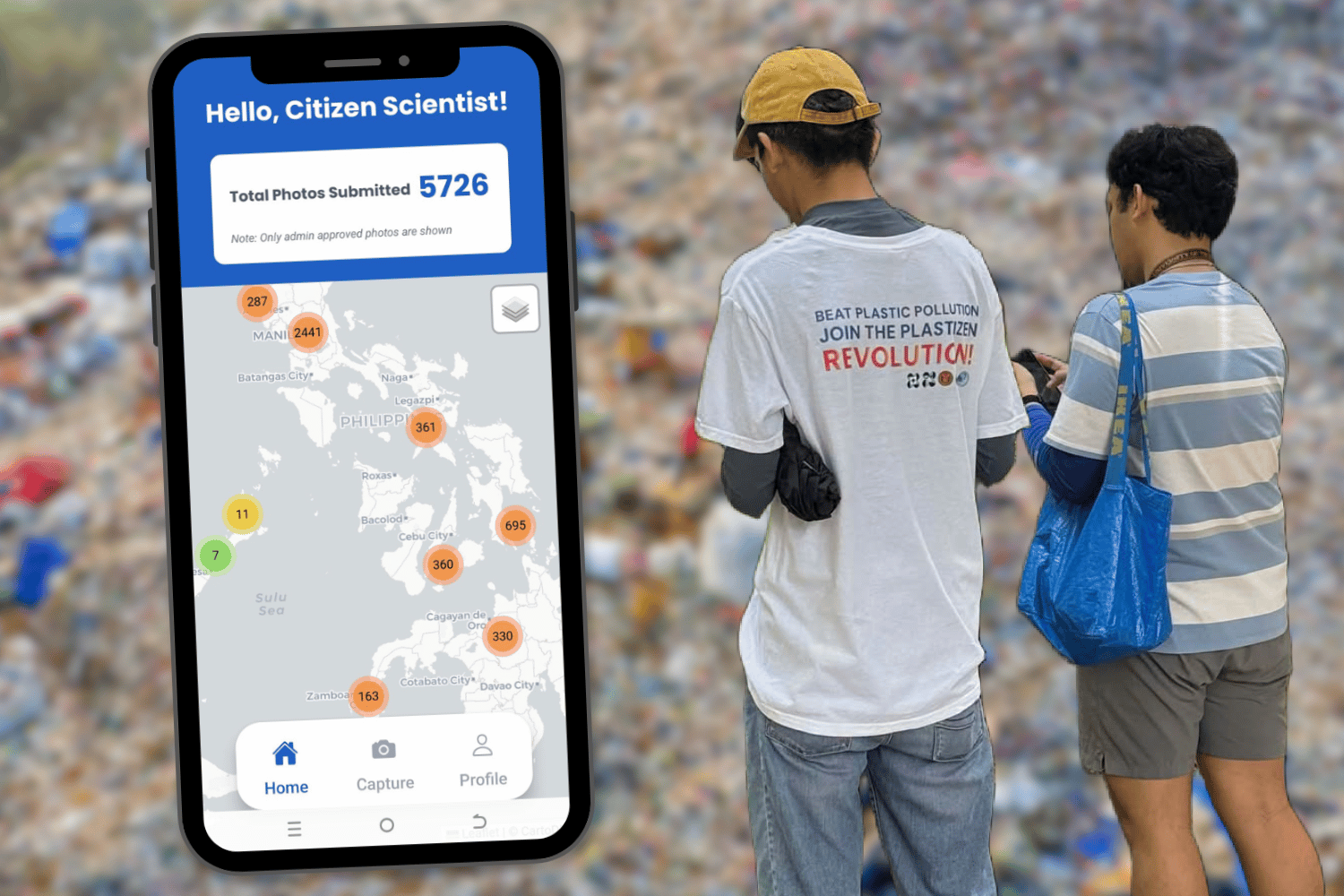
One of the government’s efforts to address the issue is through developing The National Plan of Action for the Prevention, Reduction and Management of Marine Litter. PlastiZen’s development aims to support one of the plan’s strategies: establish science- and evidence-based baseline information on marine litter.
Last year, the World Bank reported that the Philippines has formally requested financial support for the “Clean Philippines” Multiphase Programmatic Approach program.
While large-scale programs are being developed to combat plastic pollution, citizens are encouraged to practice responsible waste management daily.
The Department of Environment and Natural Resources’ Environmental Management Bureau promotes the practice of 5Rs: REFUSE what you don’t need, REDUCE what you do use, REUSE and upcycle everything whenever possible, RECYCLE as a last resort, and ROT (compost) organic scraps.
READ: