The petals themselves are edible when harvested from clean, pesticide-free plants.
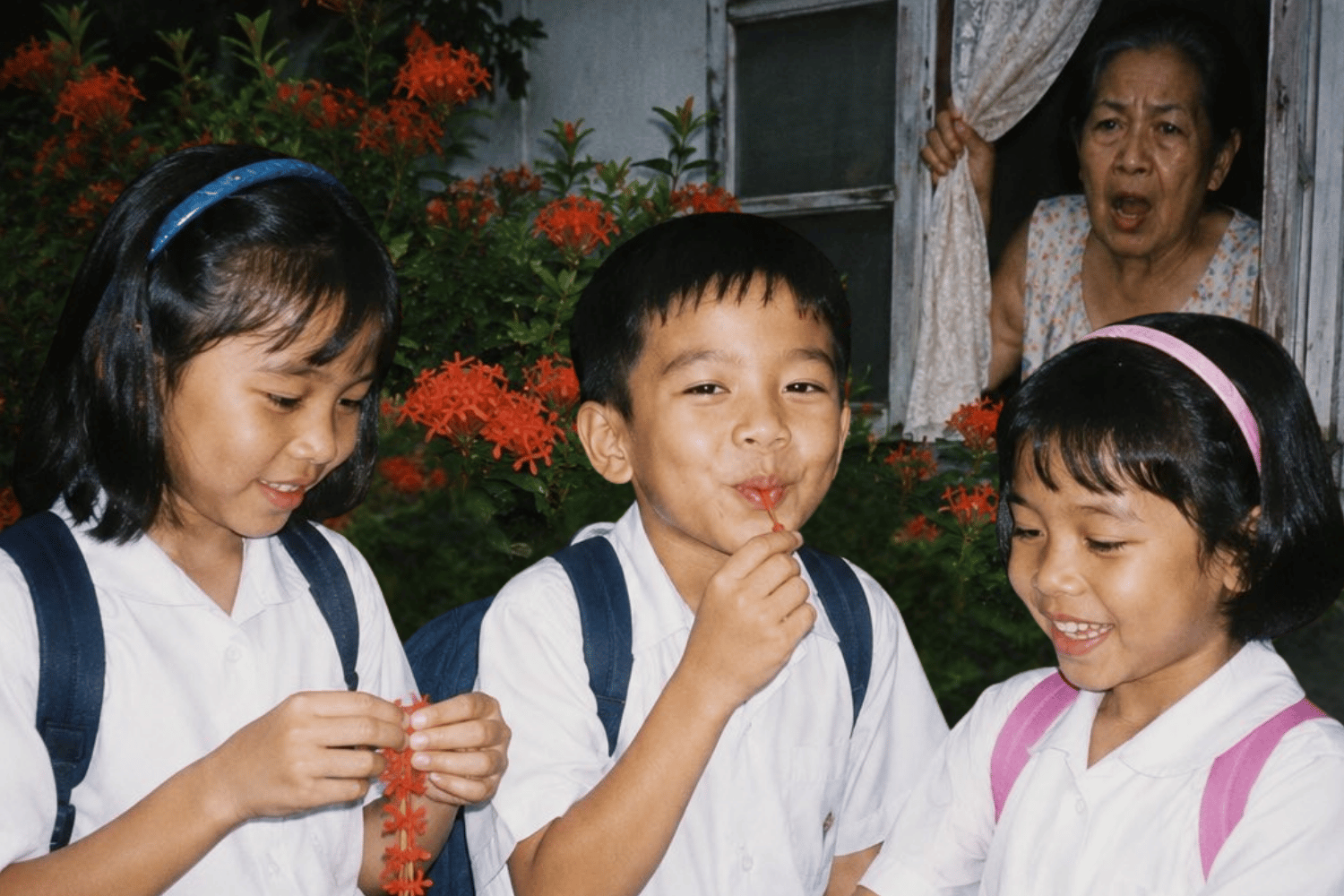
Walking home from school with your friends, someone suddenly spotted a Santan bush spilling over a neighbor’s fence. In an instant, everyone rushed toward it. Some carefully pulled out the tiny drop of sweet nectar hidden inside each flower. Others started making bracelets and necklaces by linking the blossoms together. Then, just as the fun was beginning, a familiar voice came from inside the house: “Hoy! Huwag n’yong pitasin ang Santan ko!”
For generations of Filipino children, that scene is a core childhood memory.
But here’s something many never realized: the very flower they got scolded for picking is actually edible.
Santan (Ixora coccinea), one of the country’s most recognizable ornamental shrubs, is not only safe to eat but has also found its way into the kitchens of several Asian countries. While many Filipinos only remember tasting the tiny drop of sweet nectar hidden inside each blossom, the petals themselves are edible when harvested from clean, pesticide-free plants.
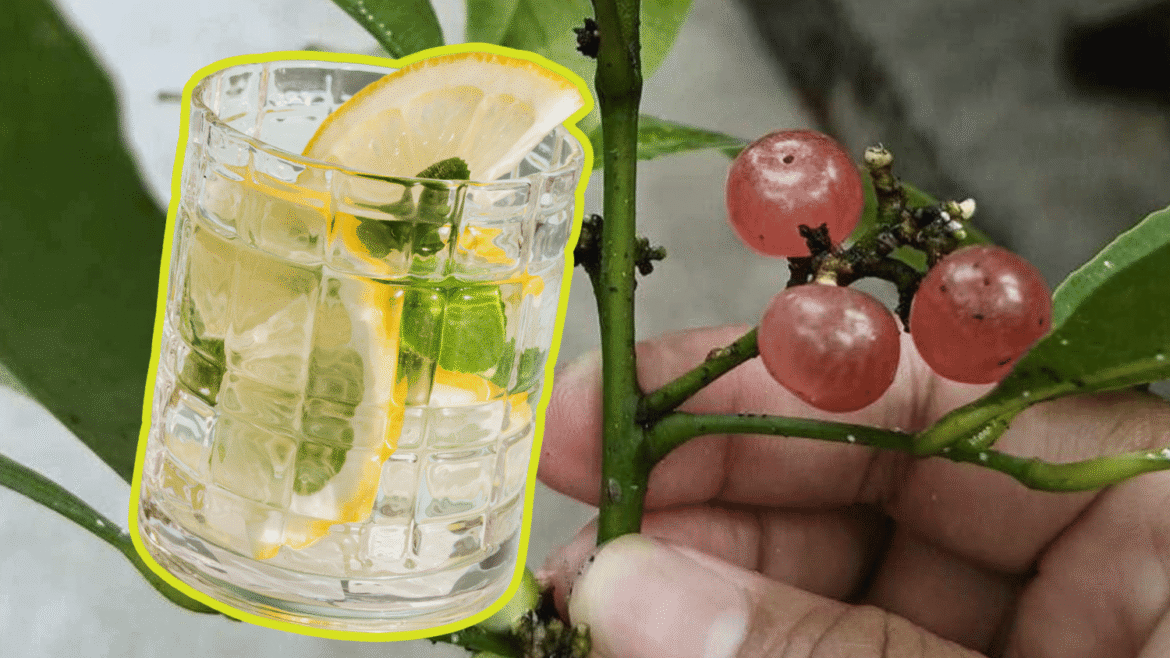
In Southern Thailand, fresh Santan flower clusters are dipped in a light tempura batter and deep-fried into crispy floral fritters. Dried petals are also brewed into herbal tea, while fresh blossoms are used as colorful garnishes for salads, desserts, and cold drinks. Even the plant’s small berries, which appear after the flowers fall off, are edible once fully ripe.
The revelation surprises many because Santan has always been associated more with play than food.
For decades, children transformed the flowers into handmade bracelets, necklaces, rings, and crowns by linking their long tubular stems together. The naturally sticky base of the blossoms became makeshift earrings during dress-up games, while entire flower clusters served as “fried chicken,” “ulam,” or colorful ingredients in countless rounds of backyard lutu-lutuan.
Beyond its culinary uses, researchers have found that Santan contains naturally occurring compounds such as flavonoids, anthocyanins, and tannins—plant chemicals known for their antioxidant properties. In traditional herbal practices, Santan petals have also been steeped into tea, although experts note that many medicinal claims still require stronger scientific evidence.
Food safety experts, however, advise against eating just any Santan flower. Blossoms growing beside busy roads may be contaminated by pollution, while ornamental plants are often treated with pesticides and insecticides. Anyone planning to consume the flowers should harvest only from chemical-free plants and wash them thoroughly before eating.
For many Filipinos, however, the biggest surprise isn’t that Santan can be served on a plate.
It’s realizing that one of childhood’s most unforgettable flowers—the one that sweetened afternoons with a tiny drop of nectar, inspired hours of imaginative play, and earned countless kids a scolding from an irate homeowner—had another story waiting to be discovered all along.
READ: