The study supports what many communities across Southeast Asia have practiced for generations.
You’ve probably reached for kamias to add a sour kick to sinigang or fish dishes. But this common backyard fruit may be good for more than just cooking.
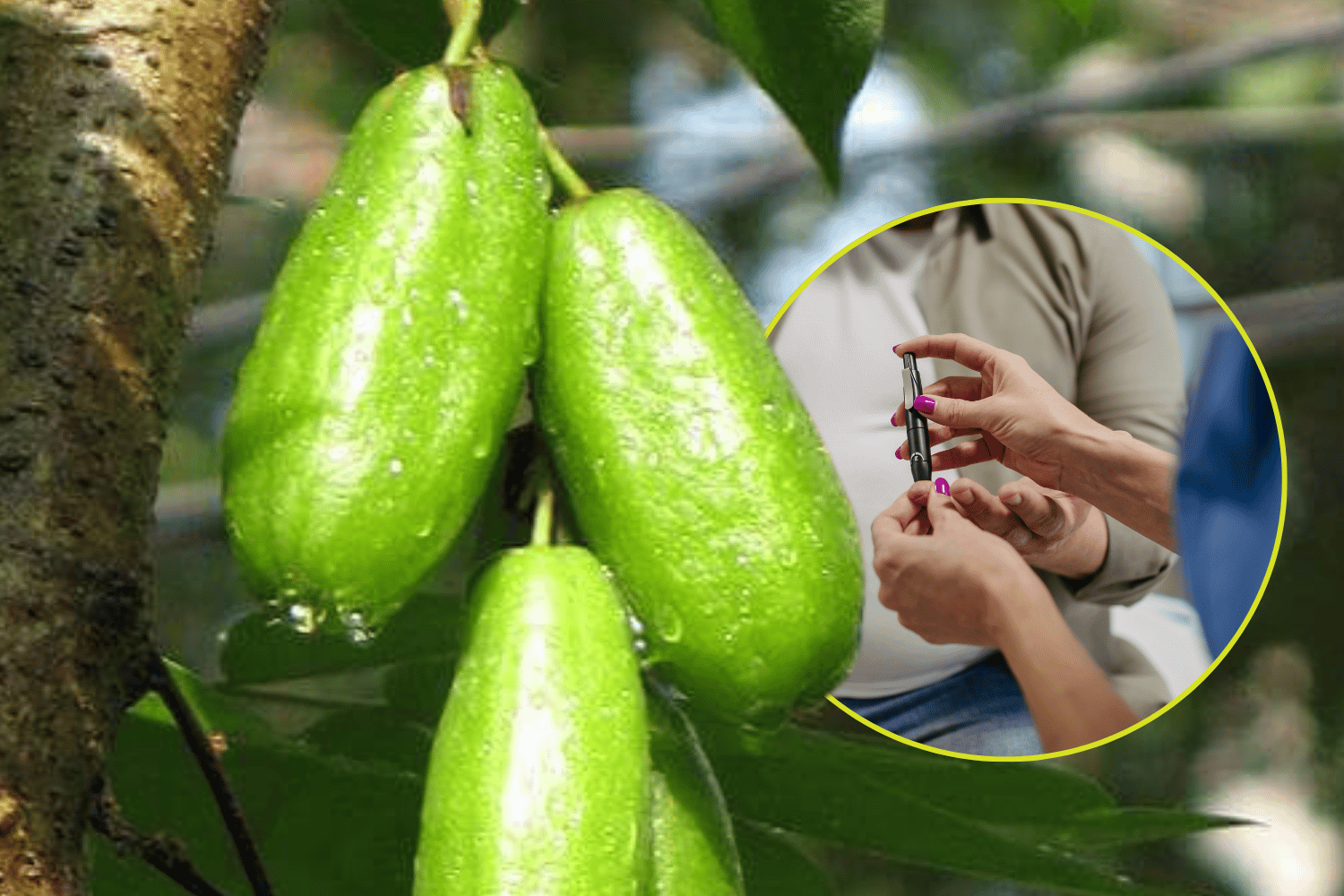
Emerging scientific research suggests that kamias (Averrhoa bilimbi) has promising anti-diabetic properties, with studies showing it may help regulate blood sugar through several biological mechanisms. While the findings are encouraging, most of the evidence so far comes from laboratory and animal studies, meaning more human clinical trials are still needed before it can be considered a proven treatment.
Researchers found that kamias contains bioactive compounds such as flavonoids and saponins that may stimulate the pancreas to produce more insulin while helping repair damaged pancreatic cells. Insulin is the hormone responsible for moving sugar from the bloodstream into the body’s cells.
Studies also show that kamias extracts may increase the activity of GLUT4, a protein that transports glucose into muscle cells where it can be used for energy. This process helps lower the amount of sugar circulating in the blood.
Another potential benefit is its ability to slow the digestion of carbohydrates. Scientists found that compounds in kamias may inhibit alpha-glucosidase, an enzyme responsible for breaking down carbohydrates into glucose. This could help reduce sudden spikes in blood sugar after meals.
Animal studies have also shown that kamias may help the liver process glucose more efficiently while reducing the production of excess sugar. At the same time, its antioxidant compounds appear to protect cells from oxidative stress, one of the major contributors to diabetes-related complications. Researchers have also observed reductions in glycated hemoglobin (HbA1c), an important marker of long-term blood sugar control.
These findings support what many communities across Southeast Asia have practiced for generations. Traditional remedies include drinking a decoction made from boiled kamias leaves or consuming diluted kamias juice to help regulate blood sugar.
However, experts strongly caution against self-medicating with large amounts of kamias.
The fruit is naturally rich in oxalic acid, and consuming excessive quantities of raw or concentrated kamias juice has been linked to acute kidney injury in several documented medical cases. High oxalate levels can cause calcium oxalate crystals to form in the kidneys, potentially leading to serious kidney damage.
For this reason, health experts advise people with diabetes to consult their physician before using kamias as part of their blood sugar management. While the humble fruit is showing surprising promise, it should complement—not replace—prescribed medications, a healthy diet, and regular medical care.
READ: