Acclaimed Filipino literary works that reflect the rich culture, history, and storytelling of the Philippines.
Some of the most unforgettable Filipino films began as books. Masterpieces like “Maynila sa mga Kuko ng Liwanag,” “Dekada ’70,” “Bata, Bata… Pa’no Ka Ginawa?,” and “Smaller and Smaller Circles” showed how stories from the page can find new life on screen.
Yet many acclaimed Filipino novels remain untouched by film. Their stories explore war, colonialism, politics, poverty, folklore, identity, and the many contradictions of Filipino life.
Here are nine Filipino novels that deserve their big-screen moment.
“The Woman who had Two Navels” (1961) by Nick Joaquin
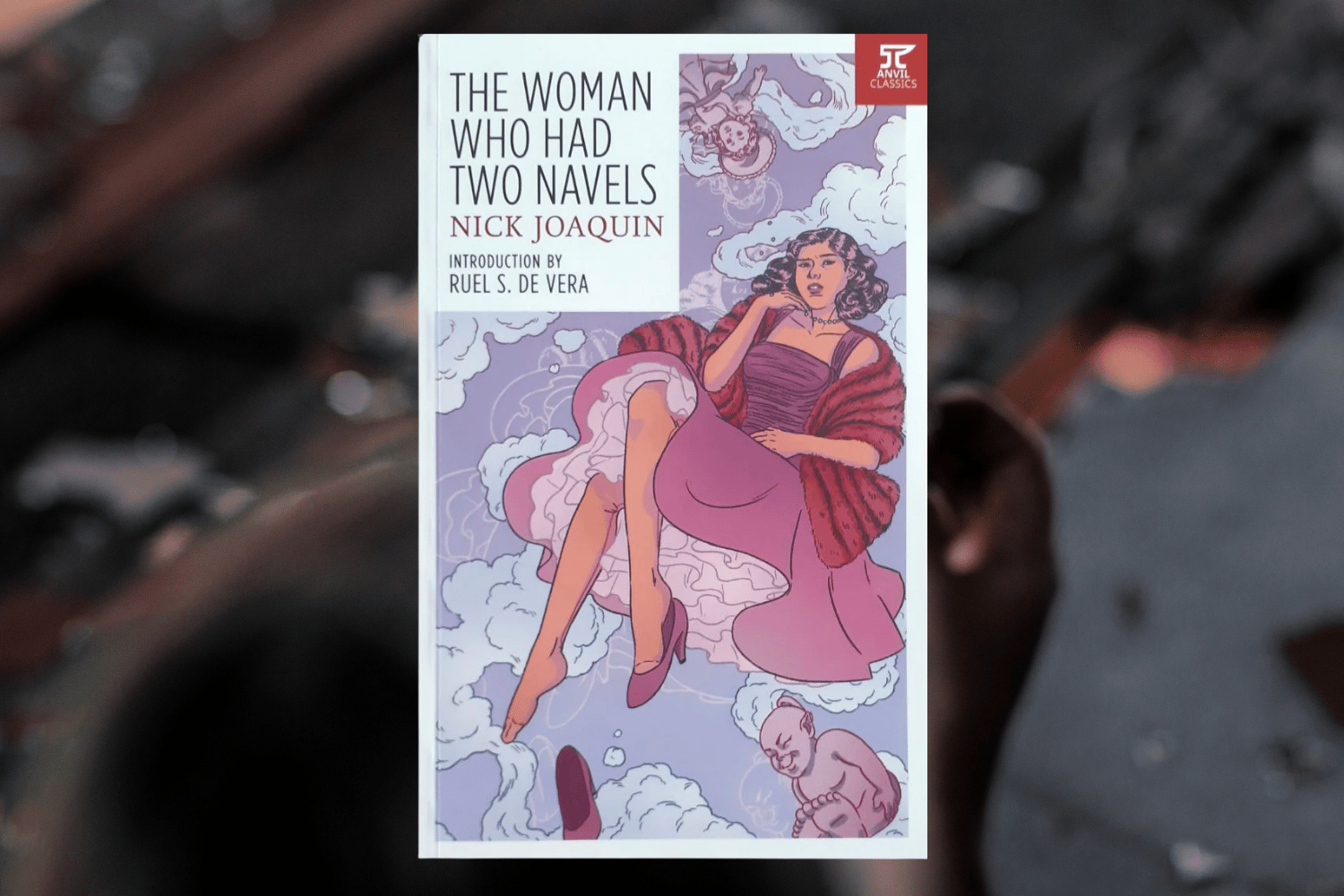
The postwar novel follows Connie Escobar, a wealthy Filipina who flees to Hong Kong and seeks out veterinarian Pepe Monson, insisting that she has two navels.
As family secrets unravel—including her husband’s affair with her mother—Connie’s supposed second navel becomes a symbol of fractured identity, memory, and self-deception.
Nick Joaquin’s surreal exploration of trauma and identity could become a visually striking psychological drama.
“But for the Lovers” (1970; 2023) by Wilfrido D. Nolledo
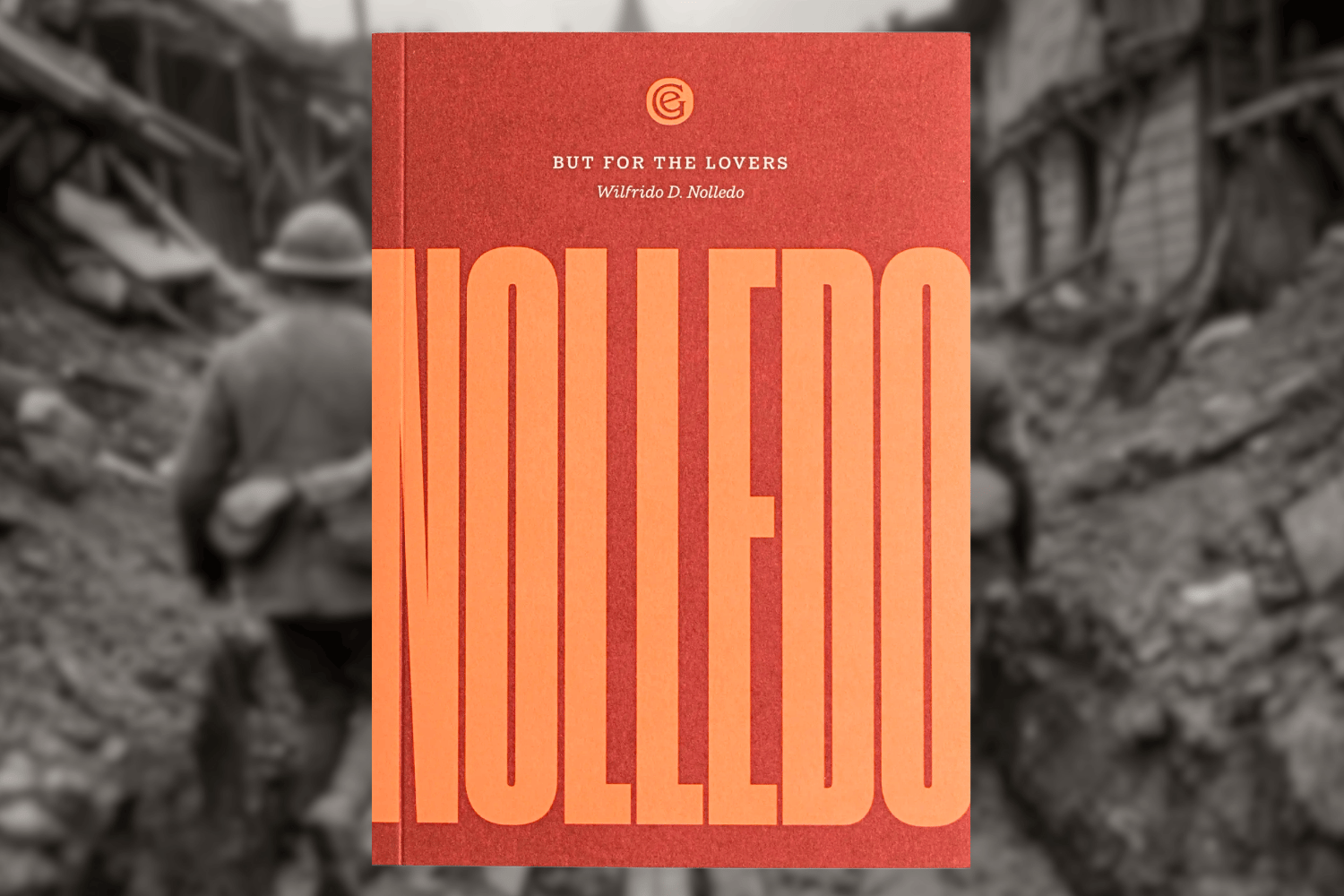
Set in Manila during the final days of World War II, the novel follows Filipinos whose lives collide as the city descends into chaos under Japanese occupation.
Through shifting perspectives, it explores love, betrayal, survival, and the moral choices forced by war.
Its scale and emotional complexity could make a sweeping historical film about one of the darkest chapters of Philippine history.
“‘Gapô” (1988) by Lualhati Bautista
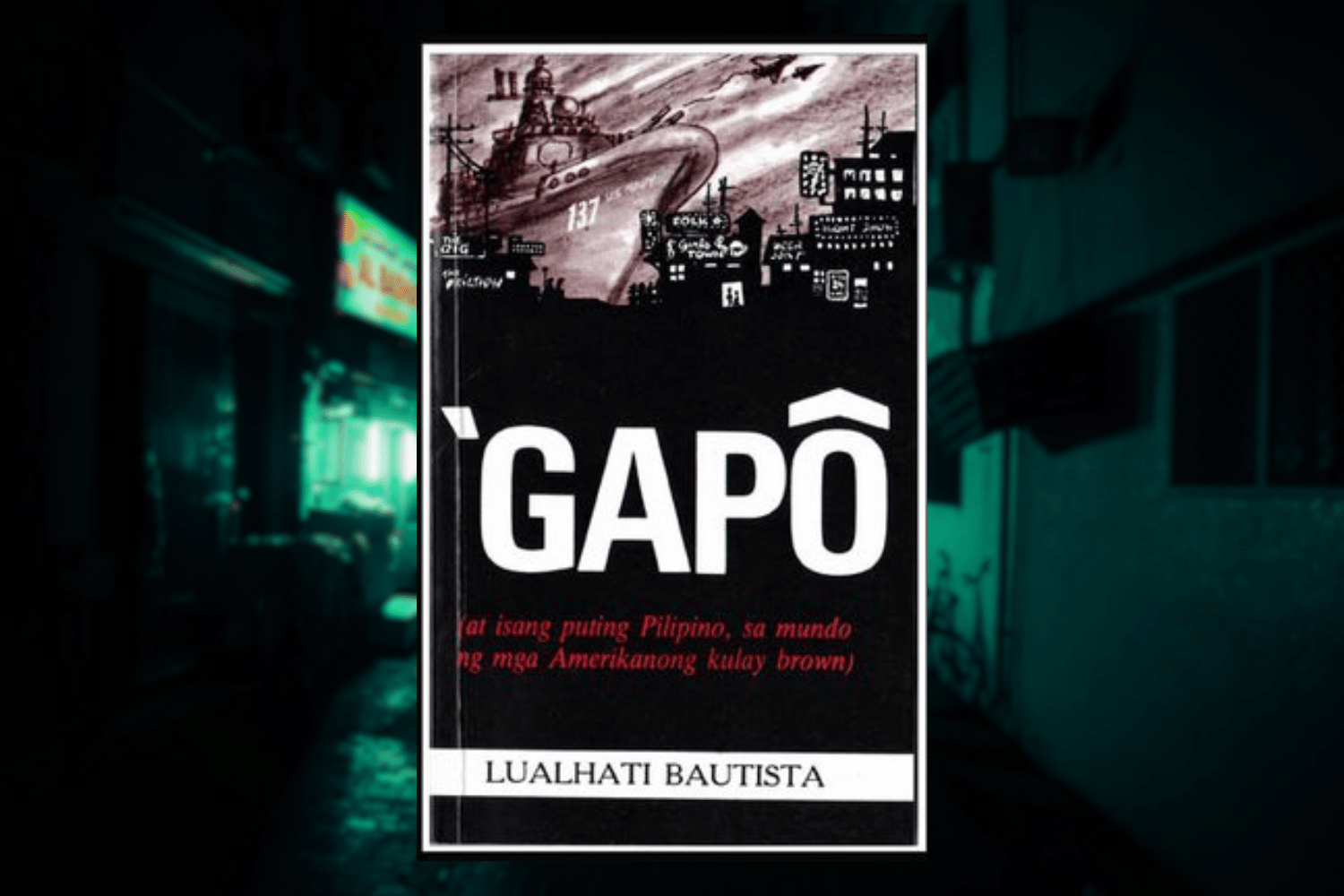
Set in Olongapo during the height of the U.S. military presence, “‘Gapô” follows four Filipinos: Michael Taylor Jr., a tisoy folk singer and the son of an American soldier who abandoned him; Magda, a bar hostess hoping to build a future with an American; Modesto, a military base employee subjected to racial slurs and humiliation; and Ali, a wealthy gay entertainer trapped in an abusive relationship with his American partner.
Through their stories, Bautista examines identity, inequality, and the lasting effects of colonial influence.
With its layered characters and historical setting, “‘Gapô” could become a powerful period drama.
“Empire of Memory” (1992) by Eric Gamalinda
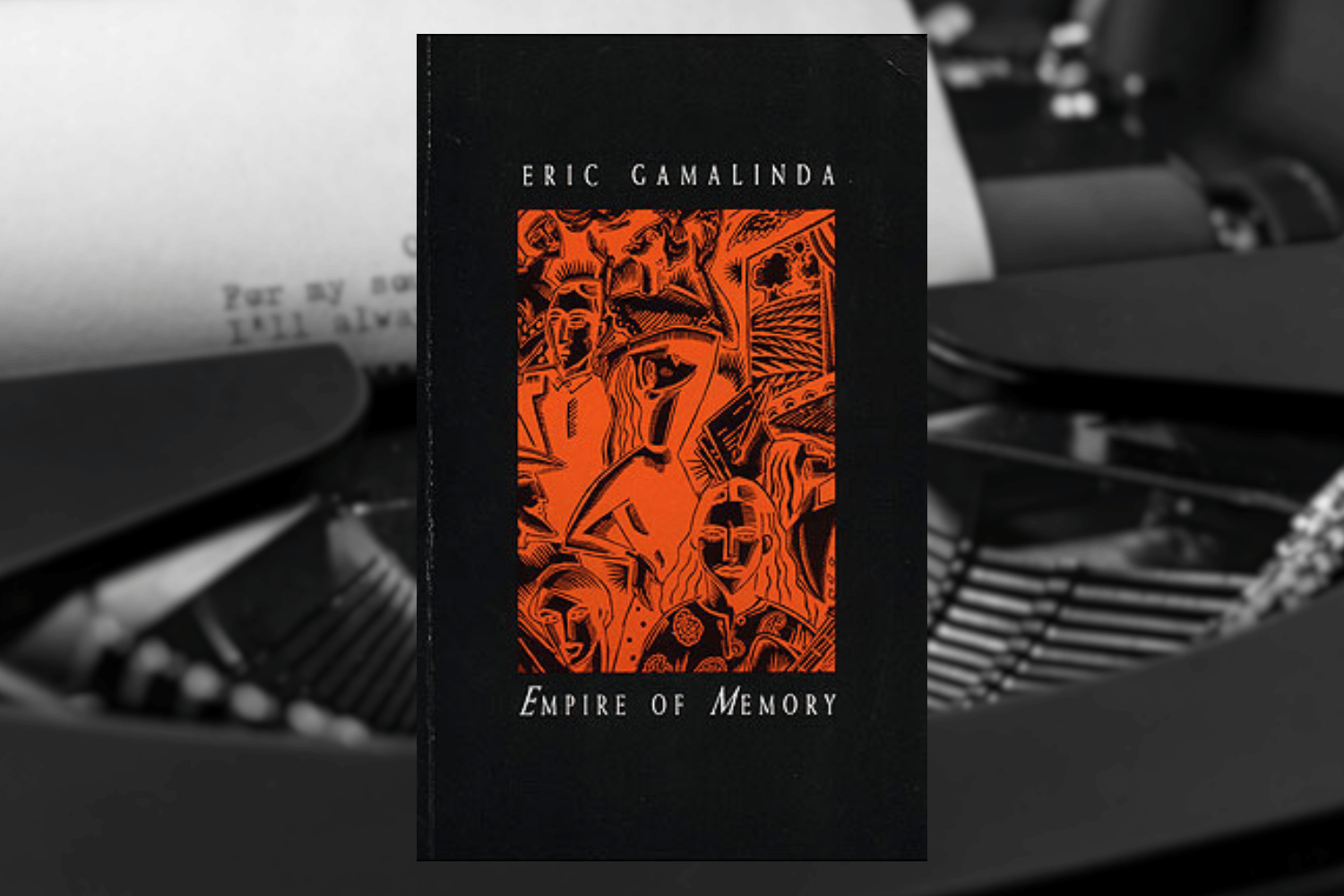
Two friends are hired by Ferdinand E. Marcos to rewrite Philippine history and create a version of the past that justifies his rule.
Working for the “Agency for the Scientific Investigation of the Absurd,” they encounter myths, mercenaries, spies, generals, and other figures from the country’s complicated history.
Its surreal take on propaganda and memory could become a bold political fantasy about the stories power chooses to preserve.
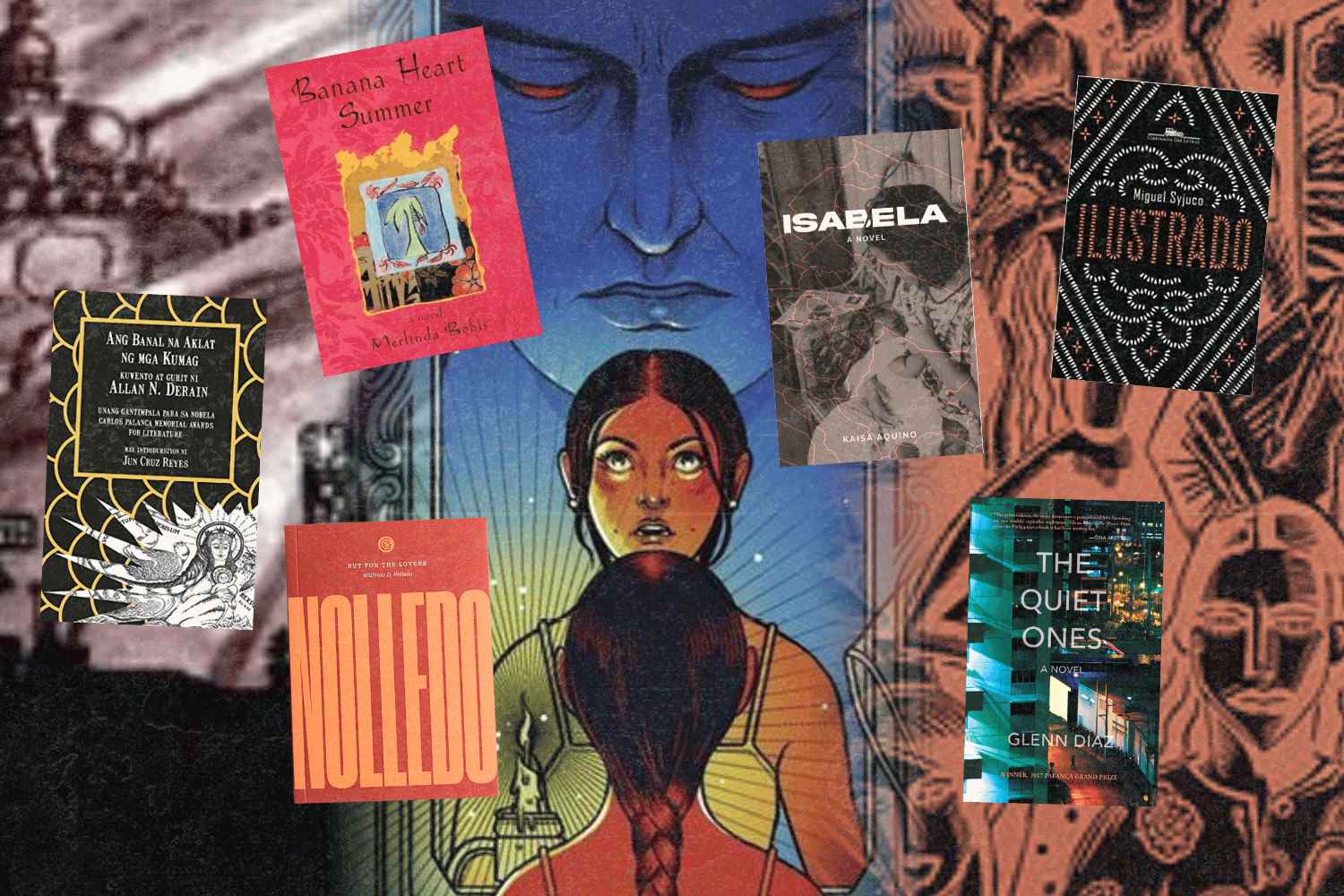
“Banana Heart Summer” (2005) by Merlinda Bobis

Set in a small town near Mayon Volcano during the 1960s, “Banana Heart Summer” follows Nenita, a 12-year-old who works as a maid to support her struggling family—while longing for affection from her emotionally distant, pregnant mother.
Through food and the folklore surrounding the banana heart, Nenita tries to make sense of love, hunger, and survival.
With its vivid food imagery, Bicolano setting, and intimate portrayal of a child searching for love, “Banana Heart Summer” could become a deeply moving coming-of-age film about hunger in all its forms.
“Ilustrado” (2010) by Miguel Syjuco

When renowned Filipino writer Crispin Salvador is found dead in New York’s Hudson River, his young student Miguel returns to Manila to investigate.
A missing manuscript rumored to expose the political and social elite leads Miguel through high-society parties, corrupt political circles, literary rivalries, media spectacles and Manila’s world of privilege and spectacle.
Its fragmented storytelling and dark satire could become a stylish mystery about power, memory, and Philippine identity.
“Ang Banal na Aklat ng mga Kumag” (2013) by Allan N. Derain
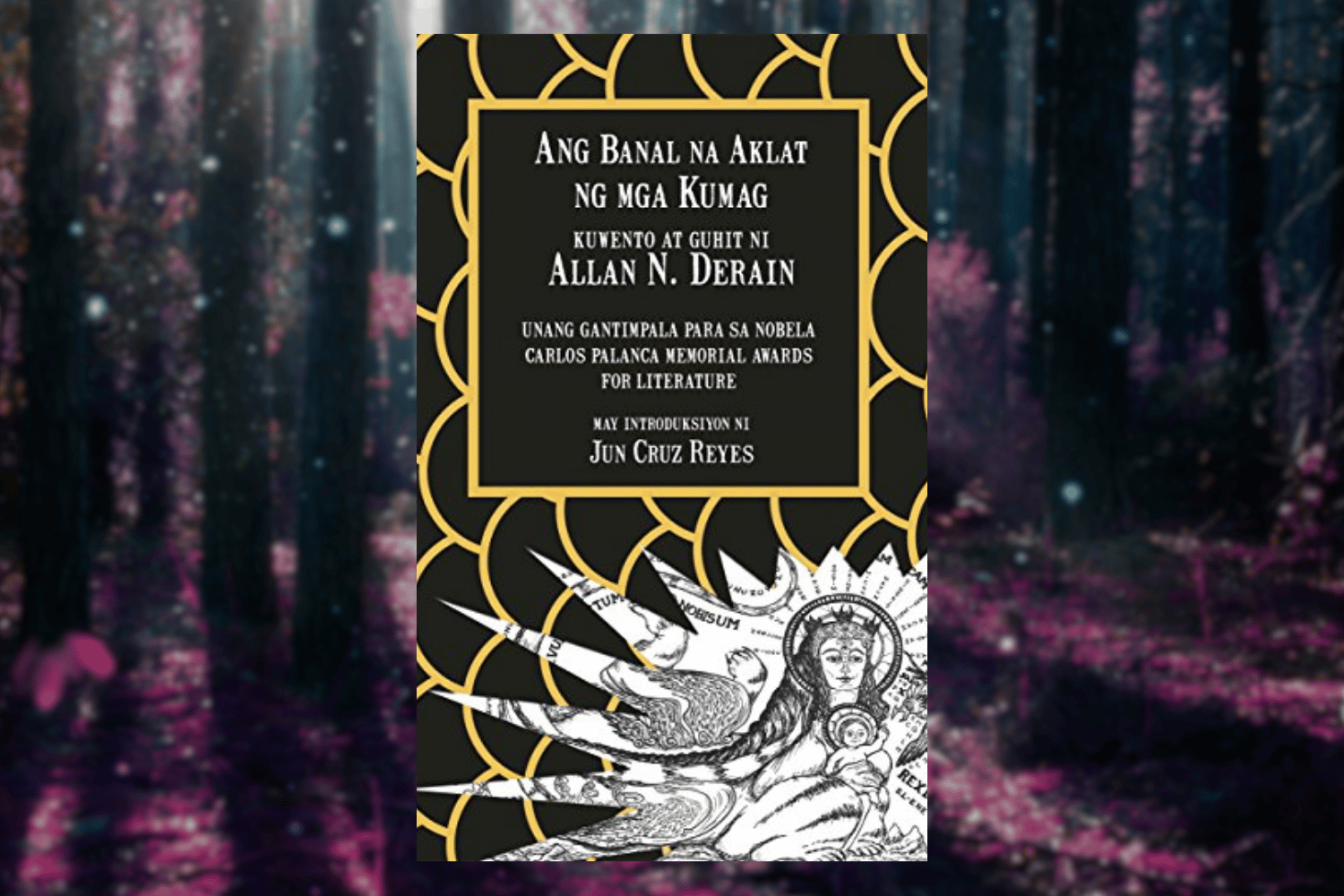
The novel follows Jojo, a human prophet who descends into a mystical realm to guide the kumags, the world’s tiniest and most overlooked creatures.
Alongside his Tres Pilares, including the loyal dog Aninag, Jojo encounters engkantos, aswangs, mermaids, and the moon-eating serpent Bakunawa, among many others.
Its strange mythology, religious satire, and dark humor could become one of Philippine cinema’s most imaginative fantasy worlds.
“The Quiet Ones” (2017) by Glenn Diaz
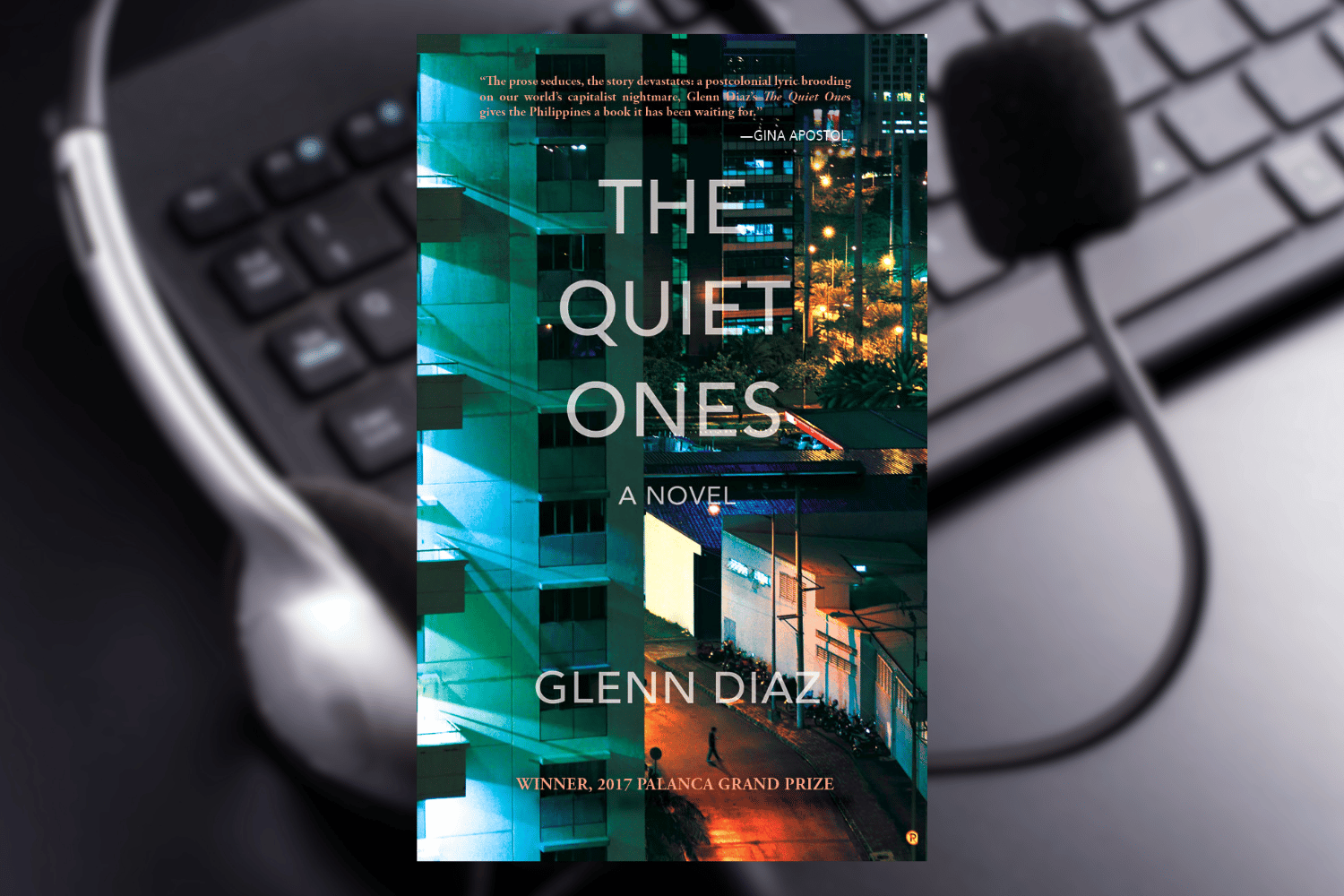
Alvin Estrada is a call center agent who discovers a way to steal from the American company he works for. What begins as an large-scale embezzlement scheme among friends soon pulls them into a world of secrets, surveillance, and consequences.
Set inside the Philippines’ BPO industry, “The Quiet Ones” explores the hidden lives of workers who spend their nights absorbing the frustrations of strangers while dealing with their own struggles.
Its mix of crime, workplace drama, and social commentary could become a sharp Filipino thriller about globalization, labor, and the people who keep the industry running.
“Isabela” (2024) by Kaisa Aquino
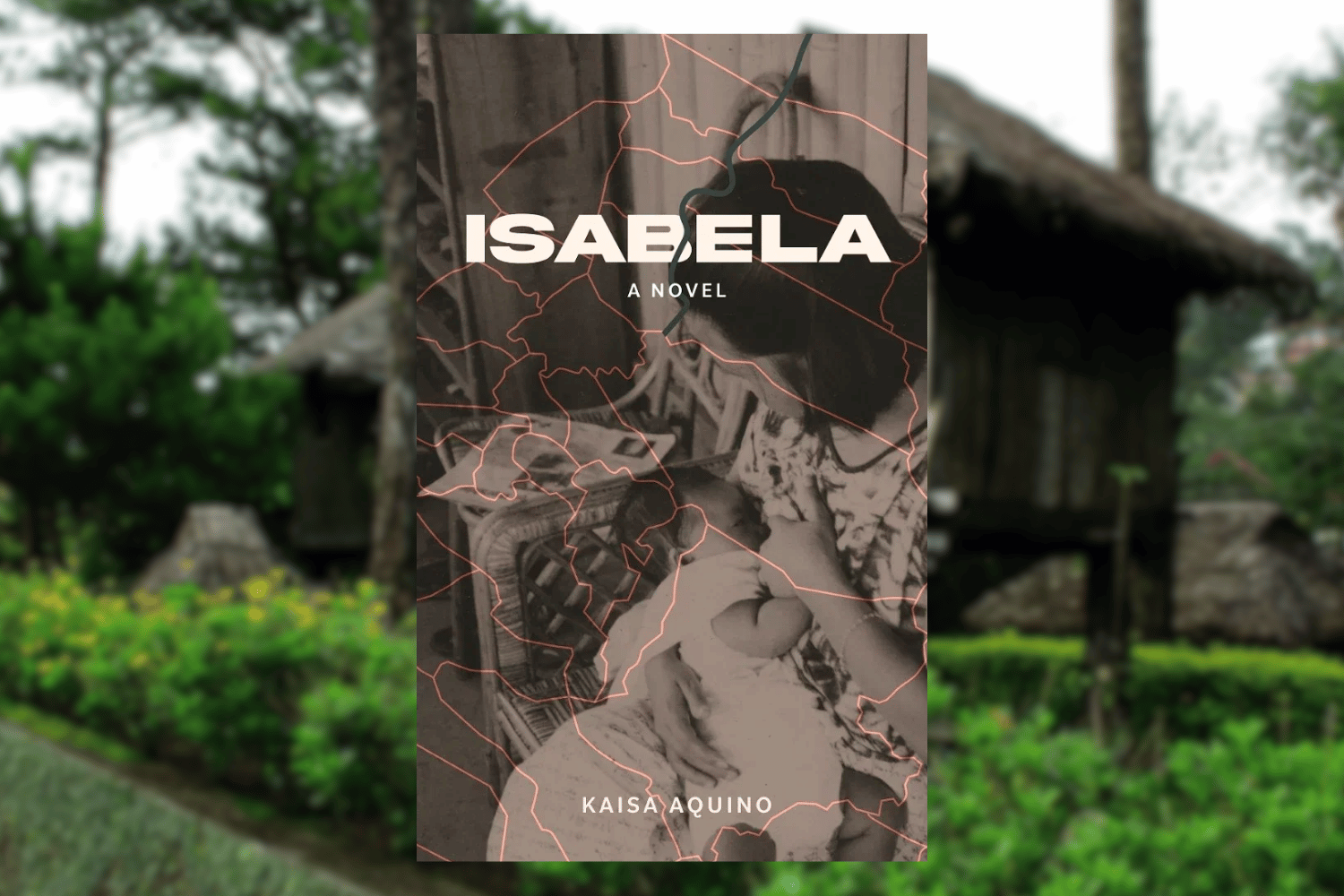
The novel follows the life of a mother, daughter, wife, lover, teacher, cadre, and revolutionary against the backdrop of nearly three decades of Philippine countryside conflict.
Through interconnected stories of love, family, politics, and armed struggle, the novel explores how ordinary lives are transformed by history and conflict.
With its intimate characters and sweeping view of rural resistance and survival, “Isabela” could become a powerful historical drama about the people who live through—and are shaped by—the country’s long-running struggles.