The government says building buffer stocks ahead of a possible El Niño is more urgent, while farmers seek stronger support and better palay prices.
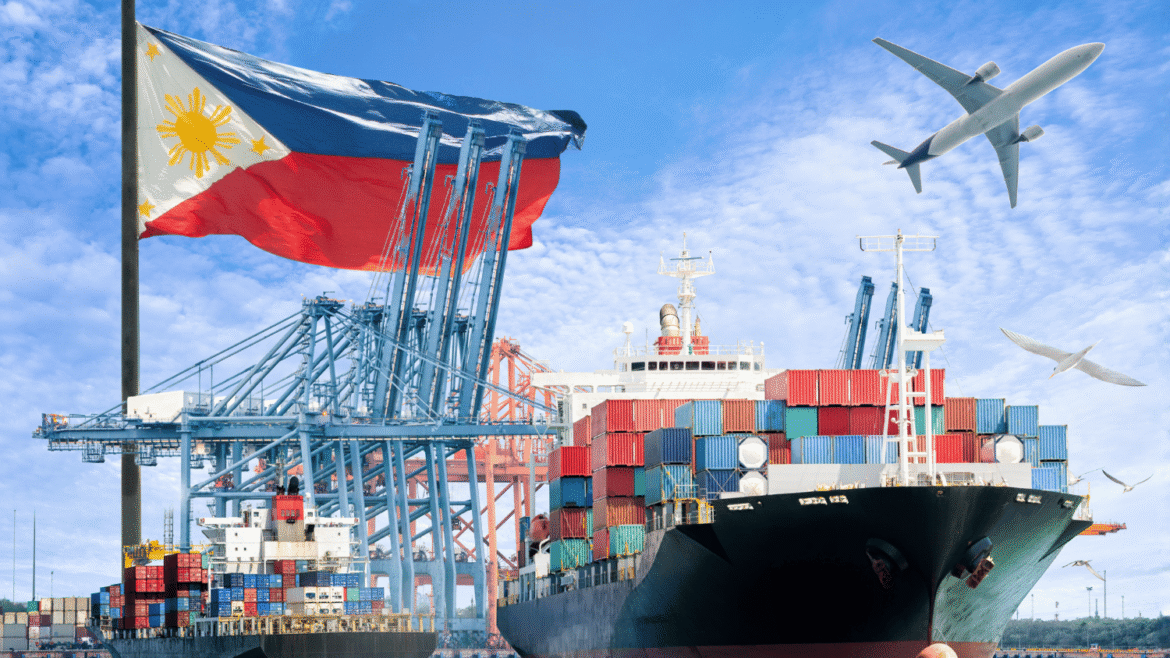
The government will not suspend rice imports this year, even as the wet season harvest begins, arguing that building food reserves ahead of a possible strong El Niño is a more urgent priority than restricting foreign supply.
The decision marks a departure from last year’s temporary import pause, which was implemented from September to December to help stabilize farmgate palay prices during the main harvest season.
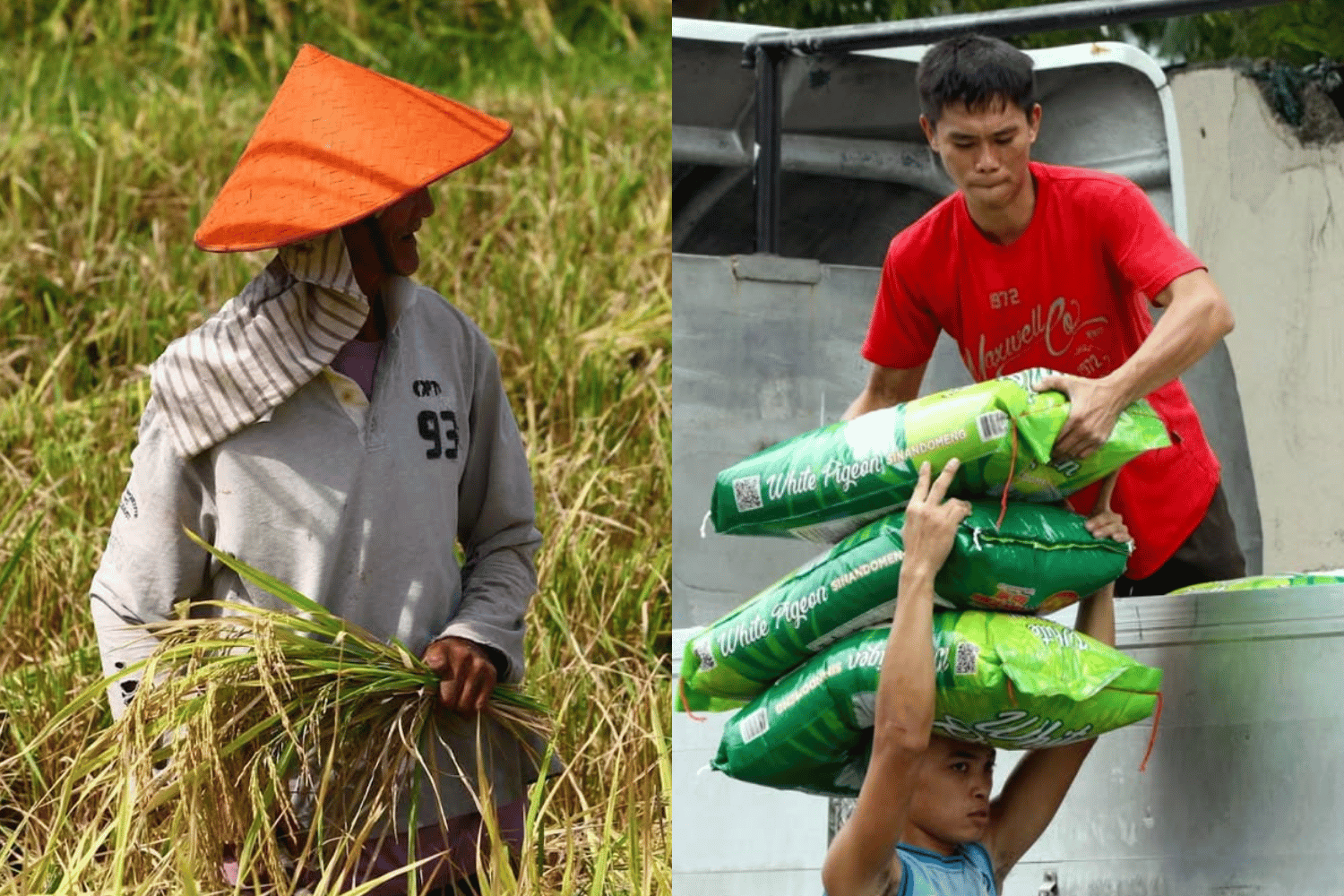
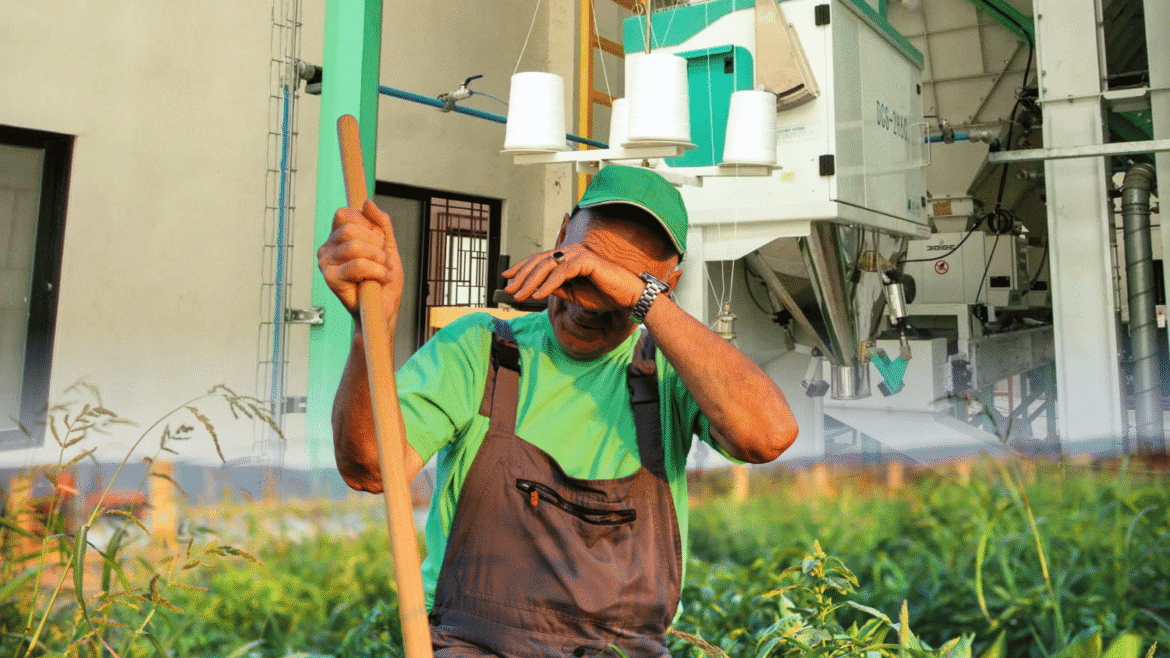
For many rice farmers, however, harvest season is when imported rice can further weaken demand for locally produced palay, making it harder to secure better prices for their crops despite rising production costs.
The Department of Agriculture said it expects El Niño to reduce palay output by as much as 750,000 metric tons, prompting the government to continue imports. At the same time, supplies will remain available instead of waiting for shortages to emerge.
As of the first week of August, rice imports had already reached 3.3 million metric tons, with the agency saying food security requires maintaining sufficient buffer stocks before the next harvest cycle in early 2027.
To soften the impact on farmers, the DA said the National Food Authority has been ordered to step up palay procurement, targeting 500,000 metric tons this wet season at government buying prices of ₱21 per kilo for wet palay and ₱25 to ₱27 per kilo for dry palay.
The agency also said the NFA’s procurement budget has been increased to ₱14 billion this year, up from ₱9 billion in 2025, to expand its buying capacity. Meanwhile, discussions with rice millers are planned to help establish what officials described as a fair pricing structure across the supply chain.
READ: