The sound carries centuries of deep-seated fear, rich folklore, and colonial history.
Tik. Tik. Tik.
For generations, that sound in the darkness has terrified Filipinos.
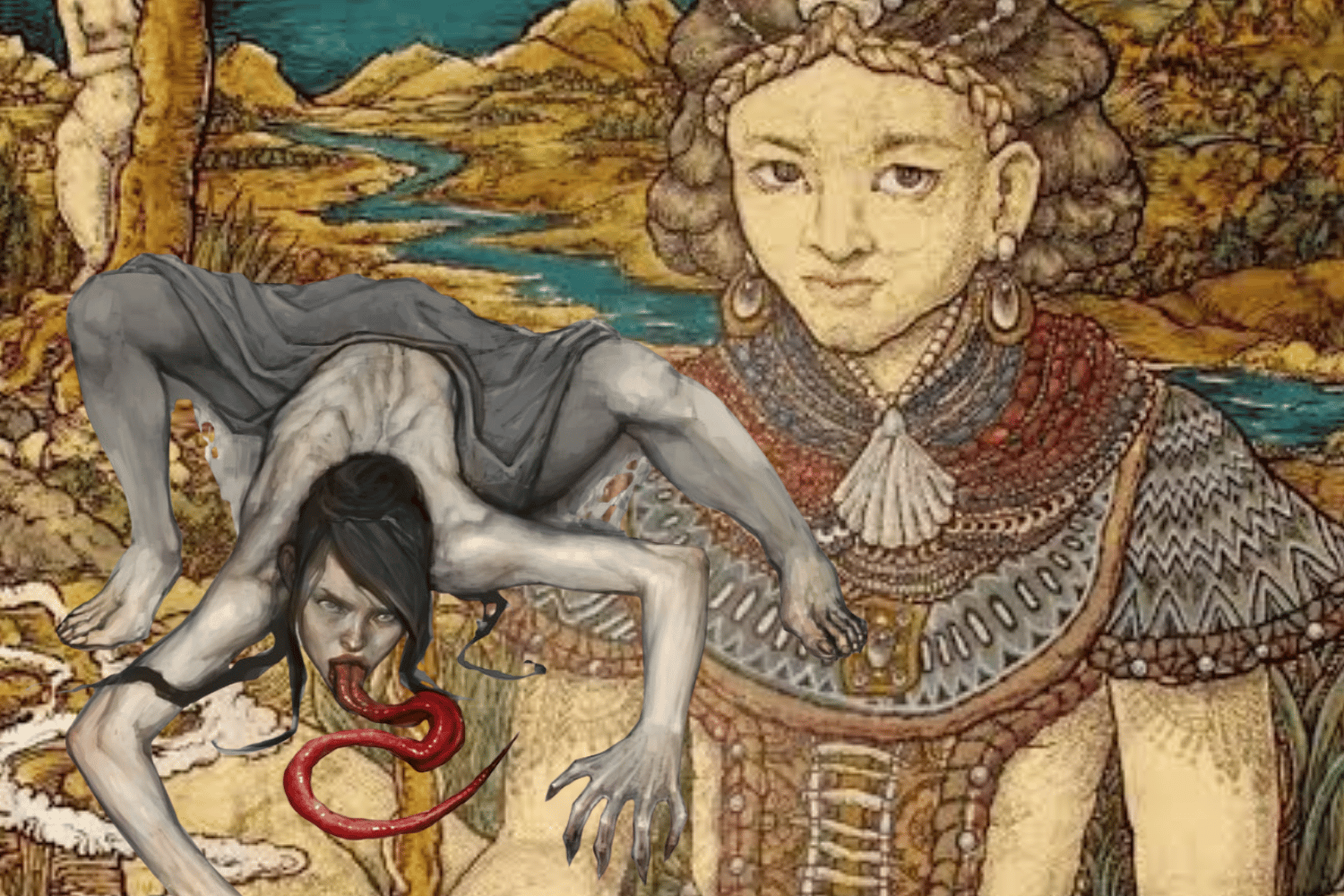
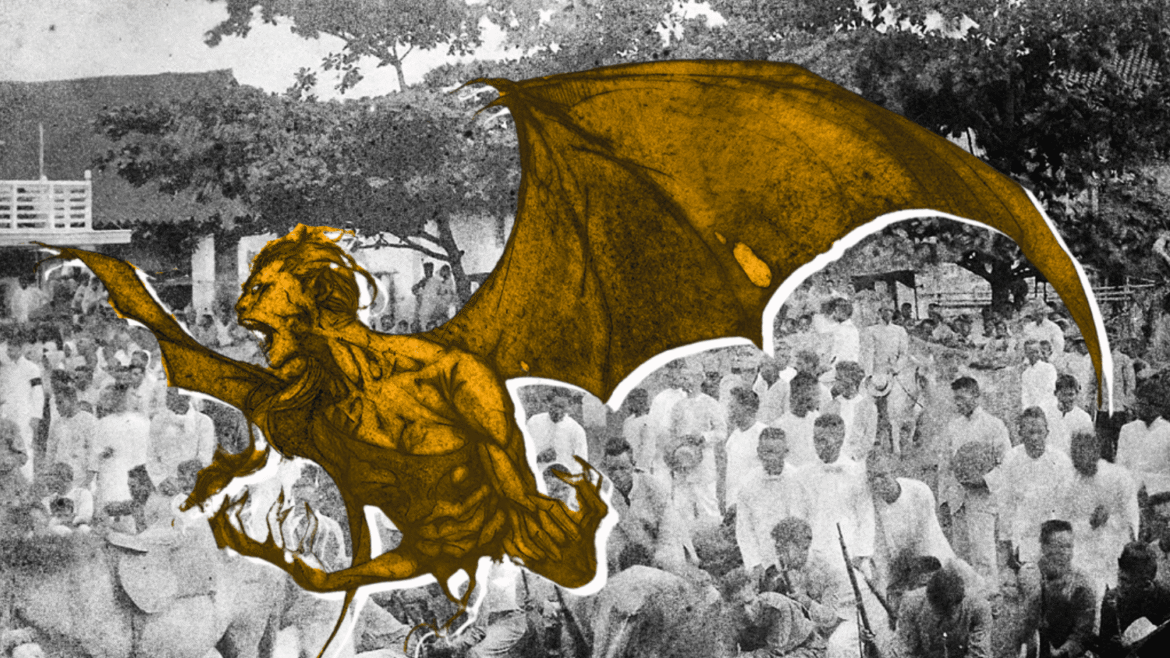
The tiktik, a creature associated with the aswang tradition, is said to hunt at night, particularly targeting pregnant women. Folklore describes it lurking on rooftops and using a long, thin tongue to prey on an unborn child.
But behind the monster is a fascinating—and debated—colonial interpretation.
Before the tiktik, there was the babaylan
Before Spanish rule, babaylans were influential spiritual leaders, healers and ritual specialists. The Smithsonian Asian Pacific American Center notes that these pre-colonial figures were once respected in their communities but were later vilified and suppressed by Christian missionaries.
Spanish missionaries frequently portrayed indigenous religion as demonic, while historical scholarship shows that babaylans and other native spiritual leaders were associated with devil worship and witchcraft under colonial rule.
From healer to monster?
In “Explorations in Philippine Folklore,” folklorist Herminia Meñez explored a provocative interpretation connecting the female viscera-sucking aswang tradition with the demonization of indigenous female shamans.
The parallels are striking: the healer becomes a killer. The woman associated with childbirth becomes a creature threatening pregnancy. Herbal and spiritual knowledge becomes witchcraft.
“The Aswang Project,” which documents Philippine mythology and folklore, also discusses this possible transformation of the babaylan’s image under Spanish colonial influence.
This doesn’t mean the Spaniards invented the aswang or tiktik. Supernatural beings already existed in indigenous Philippine beliefs, and the specific babaylan-to-tiktik connection remains an interpretation rather than settled historical fact.
What is well documented is the colonial demonization of indigenous spiritual leaders.
Centuries later, Filipinos still fear the tik-tik in the darkness.
Perhaps the more unsettling story isn’t whether the monster was real—but how colonial power could turn people once trusted by communities into figures people learned to fear.
READ: