Conservationists are asking Filipinos to help save it from extinction.
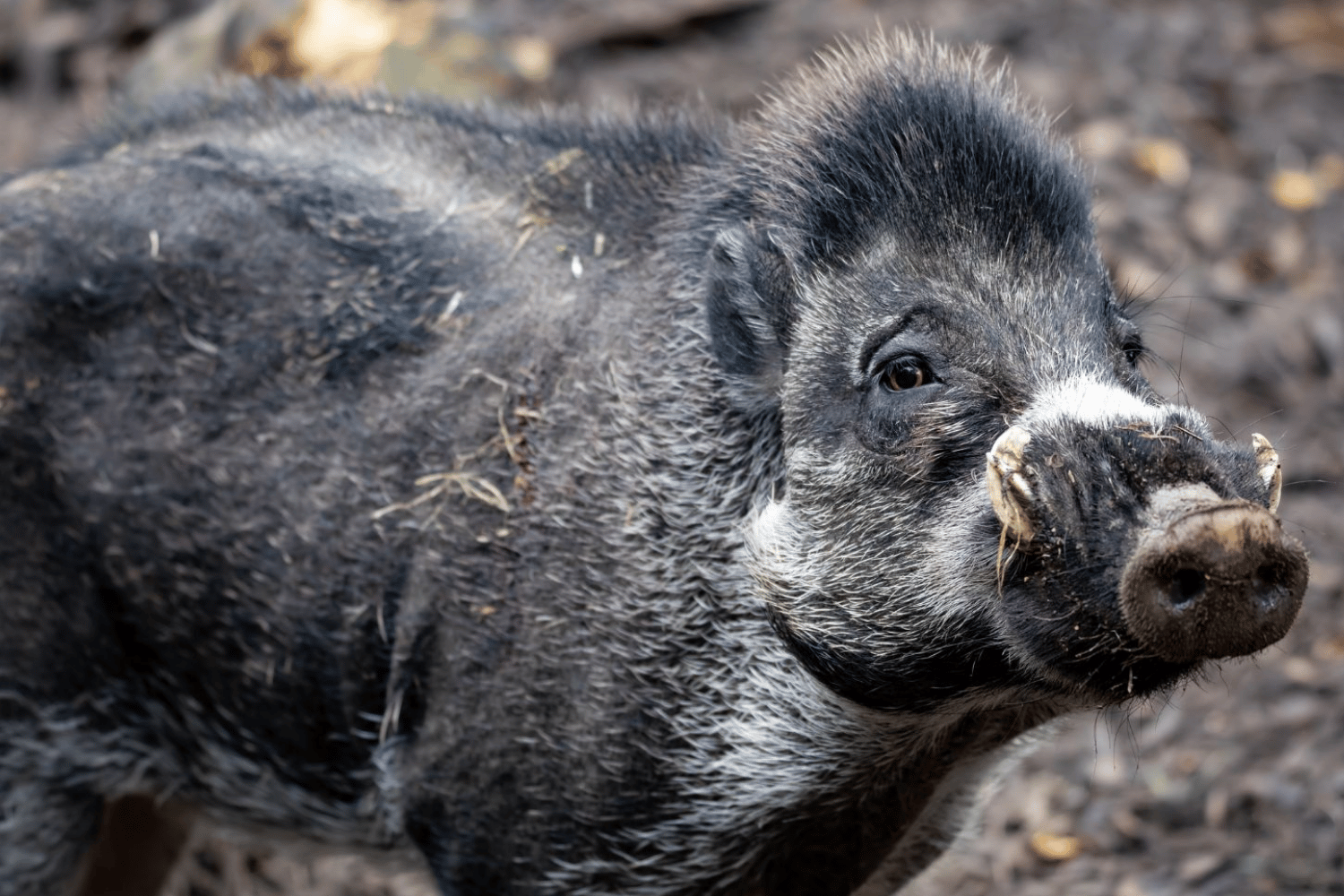
The Visayan warty pig is among the rarest wild pigs on Earth—and it exists naturally nowhere but the Philippines.
Once found across several islands in the Visayas, Sus cebifrons has already disappeared from most of its historic range. Today, its last wild populations cling to fragmented forests in Negros and Panay.
Without aggressive conservation, another animal found only in the Philippines could vanish forever.
That is why the Talarak Foundation, a Negros-based conservation organization dedicated to protecting Western Visayas wildlife, is asking the public to support its long-term conservation and rewilding efforts for the critically endangered species.
Its appeal is urgent: “We need your help.”
The Visayan warty pig is one of the Philippines’ strangest-looking endemic mammals.
Adult males develop three pairs of fleshy facial “warts,” believed to help protect them during fights with other males. During breeding season, males can also grow a spectacular mane along the head and neck, giving them an almost punk-rock appearance.
Their piglets are just as distinctive. They are born with brownish camouflage stripes that help hide them on the forest floor before the markings disappear as they mature.
But these remarkable adaptations cannot protect them from their biggest threat: humans.
Habitat destruction has devastated the forests they depend on. Logging, agricultural expansion and kaingin have reduced and fragmented their habitat.
As forests disappear, the pigs may enter farms searching for food, creating conflict with farmers. Hunting and trapping add further pressure. Interbreeding with domestic pigs threatens the genetic integrity of surviving populations, while diseases such as African swine fever present another potentially catastrophic danger.
This makes conservation breeding and rewilding programs increasingly important.
Talarak Foundation works to preserve and restore endemic wildlife of the Western Visayas through conservation breeding, habitat protection and programs intended to return threatened species to secure natural habitats.
Its latest campaign asks Filipinos to help protect the Visayan warty pig through long-term conservation and rewilding efforts.
It may not have the fame of the Philippine eagle or tamaraw. It may not be the animal people immediately think of when discussing endangered Philippine wildlife.
But it is ours.
If the Visayan warty pig disappears from the Philippines, it disappears from the planet.
READ: