Walk along Benavidez Street in Binondo and you’ll find a restaurant that feels like it has stubbornly refused to move with time.
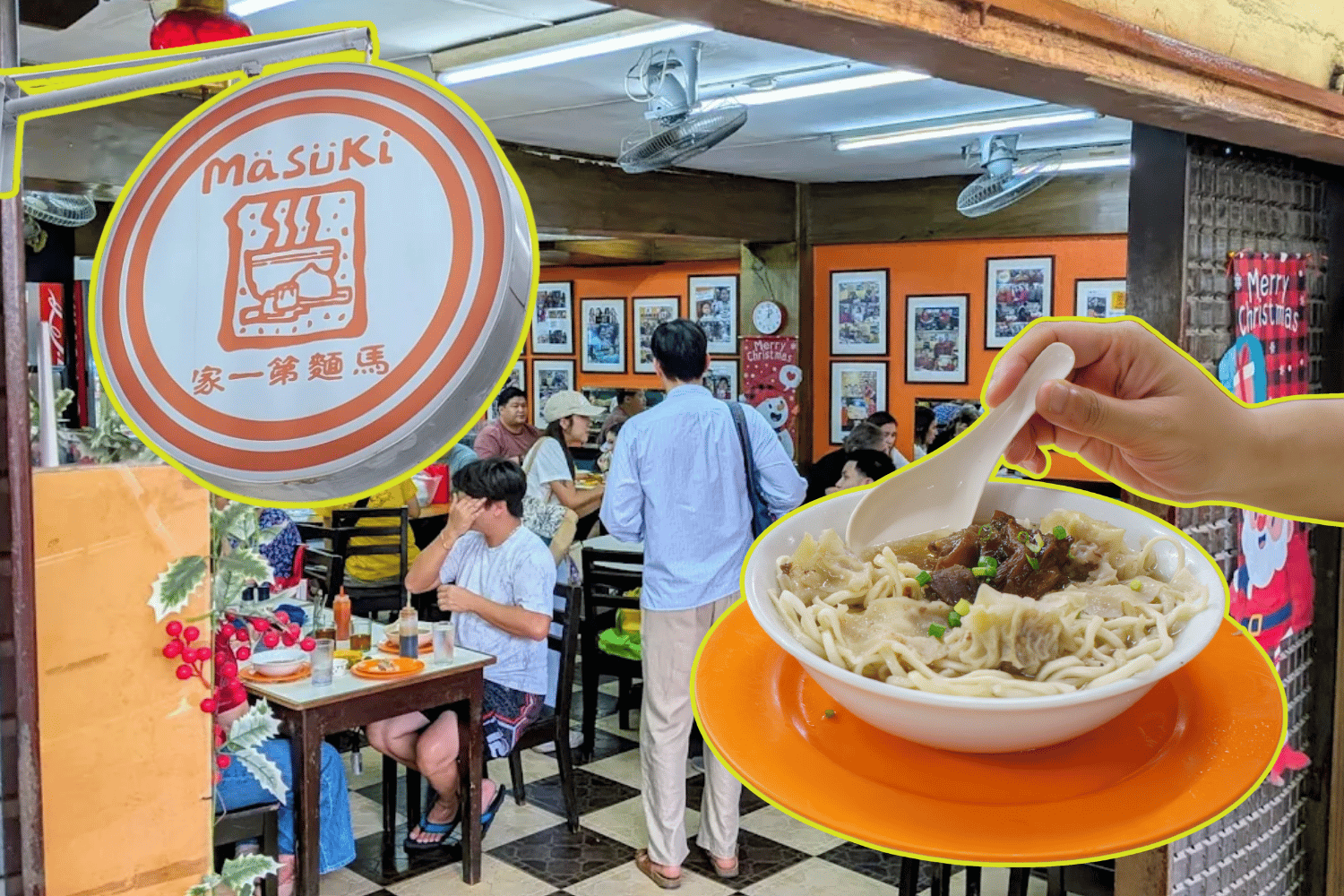
No fancy interiors. No elaborate plating. Just wooden tables, steaming bowls of thick noodles, giant siomai and the familiar smell of broth that has welcomed generations of diners.
This is Masuki, one of Binondo’s most enduring food institutions.
Established in 1930, the restaurant formerly known as Masuki Mami House—and historically associated with Ma Kong—has been serving its distinct version of mami for nearly a century.
And eating here is almost like tasting a piece of Manila history.
The mami that built a following
Masuki’s signature dish looks deceptively simple: thick egg noodles swimming in a clear, aromatic broth, topped depending on your order with beef, pork asado, chicken or wontons.
The noodles are noticeably thicker and heavier than those used in many modern noodle soups. The broth, made with pork bones, is relatively restrained on its own.
But that’s part of the experience.
On the side comes chopped spring onions and Masuki’s famous sweet brown sauce. Add them generously to the bowl, throw in some hot sauce if you want a kick, then mix everything together.
Suddenly, that seemingly simple broth becomes something entirely different—sweet, savory, aromatic and unmistakably Masuki.
For first-timers, the Original Mami is a good introduction, particularly versions combining beef brisket, pork asado and wonton.
One warning: portions can be huge.
If Masuki is only one stop on your Binondo food crawl, the regular size may already be enough. Save some room for what comes next.
Don’t forget the dim sum
The mami may get top billing, but Masuki’s dim sum has developed its own loyal following.
Its pork siomai is famously oversized, dense and meaty—a far cry from the tiny commercial versions many Filipinos have become accustomed to.
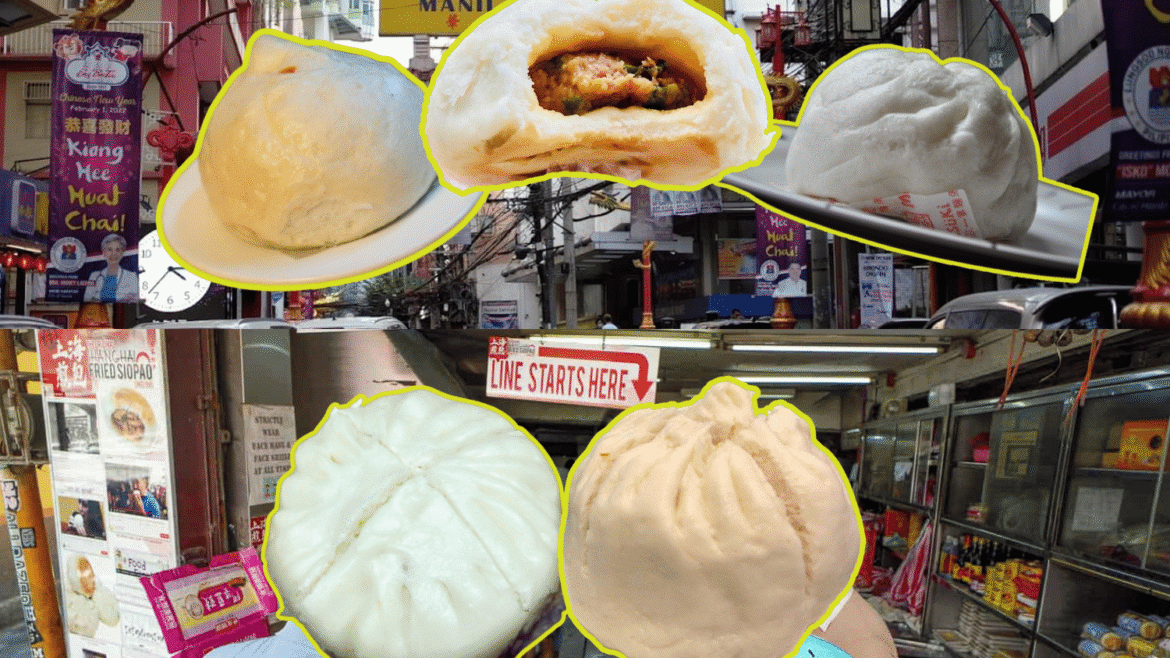
Then there’s the Special Asado Siopao or taipao, an enormous steamed bun packed with pork asado, chicken and salted egg.
You can eat it there, but bringing home a bag of siopao after your meal has practically become part of the Masuki ritual for many regulars.
A bowl of old Manila
Masuki traces its roots to the early development of mami culture in Manila and the Chinese immigrant food tradition that helped shape what Filipinos now consider everyday comfort food.
The story is closely connected to Ma Mon Luk, the Chinese immigrant widely credited with popularizing mami in the Philippines. The noodle soup eventually became so embedded in Filipino food culture that few people eating a bowl today probably stop to think about where it came from.
At Masuki, however, that history still feels unusually close.
The restaurant at 931 Benavidez Street remains decidedly old-school. It is a walk-in establishment, traditionally cash-only, and its no-frills atmosphere is part of its charm.
There are newer restaurants, prettier restaurants and certainly more Instagram-ready restaurants across Binondo.
But that isn’t really the point of Masuki.
You come for a steaming bowl of noodles. You doctor the broth with brown sauce and spring onions exactly the way generations before you did. You bite into an oversized siomai. Maybe you take home some siopao.
Then you walk back onto the busy streets of Chinatown with a full stomach and the realization that people have been coming here to do essentially the same thing for decades.
At Masuki, you don’t simply leave with a belly full of mami.
You leave with a belly full of Manila history.
READ: