The bookings shared several red flags: cash collection, an L300 or cargo van, different customers and drop-off points, and items the shop never sold, including one ₱1,901 order tagged as “appliances/furniture.” Two of the bookings even matched in customer name, amount, and destination, suggesting a possible pattern rather than a one-off mix-up.
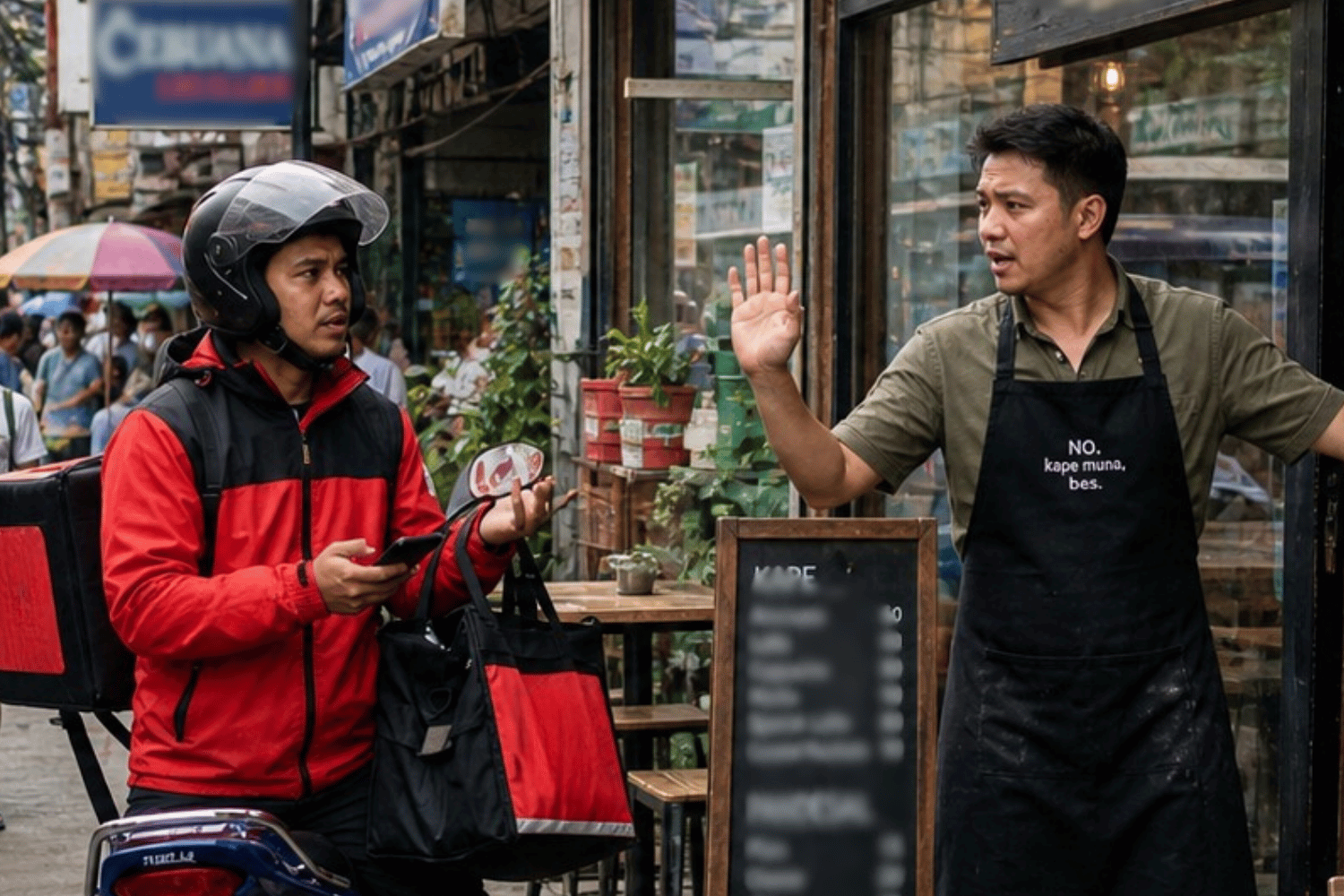
But for RGLC Coffee Shop, the bigger worry isn’t the disruption to their own operations. It’s the delivery riders caught in the middle, arriving in good faith to collect an order that never existed.
“To tell you the truth, kawawa dito ang mga riders. It’s just alarming in our part kasi today, 3 bookings,” the coffee shop told radar.
The shop is urging other small business owners to check whether their own shop address has been listed as a pickup or meet-up point on Facebook Marketplace, Google Maps, or similar platforms. A business can have its address used this way without any indication that anything is wrong.
The likely method: scammers list an item for sale on Marketplace and set a real business as the “pickup location” to look trustworthy. They later book a rider like Lalamove to collect cash from the buyer. The business whose address was used doesn’t find out until riders, buyers, or complaints show up at their door.
How can you protect your business from becoming an unwitting scam address?
Search your own business regularly. Look up your shop name and address on Facebook Marketplace, Google Maps, and other listing platforms from time to time to check for listings you didn’t create.
Set a clear policy with your staff. Make sure your team knows the shop doesn’t accept walk-in cash collections or item handoffs for orders that weren’t placed directly with the business. Remind them to flag anything unusual right away.
Talk to delivery riders who show up unexpectedly. If a Lalamove, Grab, or other courier arrives for a pickup your shop never booked, don’t hand over cash or items. Ask for booking details and decline the transaction.
Document everything. Screenshot suspicious bookings, and note the time, courier reference number, and any customer details provided. This is your evidence if you need to file a report.
Report to the courier platform and, if needed, the authorities. Lalamove and similar apps have channels for reporting unauthorized use of a business address. Business owners may also file a report with the PNP Anti-Cybercrime Group.
Warn your community. A public heads-up, like the one RGLC Coffee Shop posted, helps other business owners catch the pattern early and protects riders and buyers from being scammed using your name.
A real address lends credibility to a fake transaction. That’s what these scams run on. It’s worth checking how your business’s name and location are being used online.
READ: