Filipinos waste ₱24.4 billion worth of rice every year.
That last spoonful of rice you leave on your plate may not look like much. Neither do the few spoonfuls scraped into the trash after dinner.
But multiply those leftovers across millions of Filipino tables every single day and the numbers become staggering.
Recent figures highlighted by the Department of Agriculture (DA) show that the Philippines wastes around 542,477 metric tons of milled rice every year, equivalent to approximately 10.85 million sacks worth ₱24.4 billion. That amount could reportedly feed about 5.17 million Filipinos for an entire year.
On average, each Filipino wastes about 26.54 grams of rice a day, or 9.69 kilograms a year.
In a country that continues to rely on rice imports and faces constant threats to domestic production from extreme weather, throwing away edible rice is more than a bad household habit. It is a food-security problem.
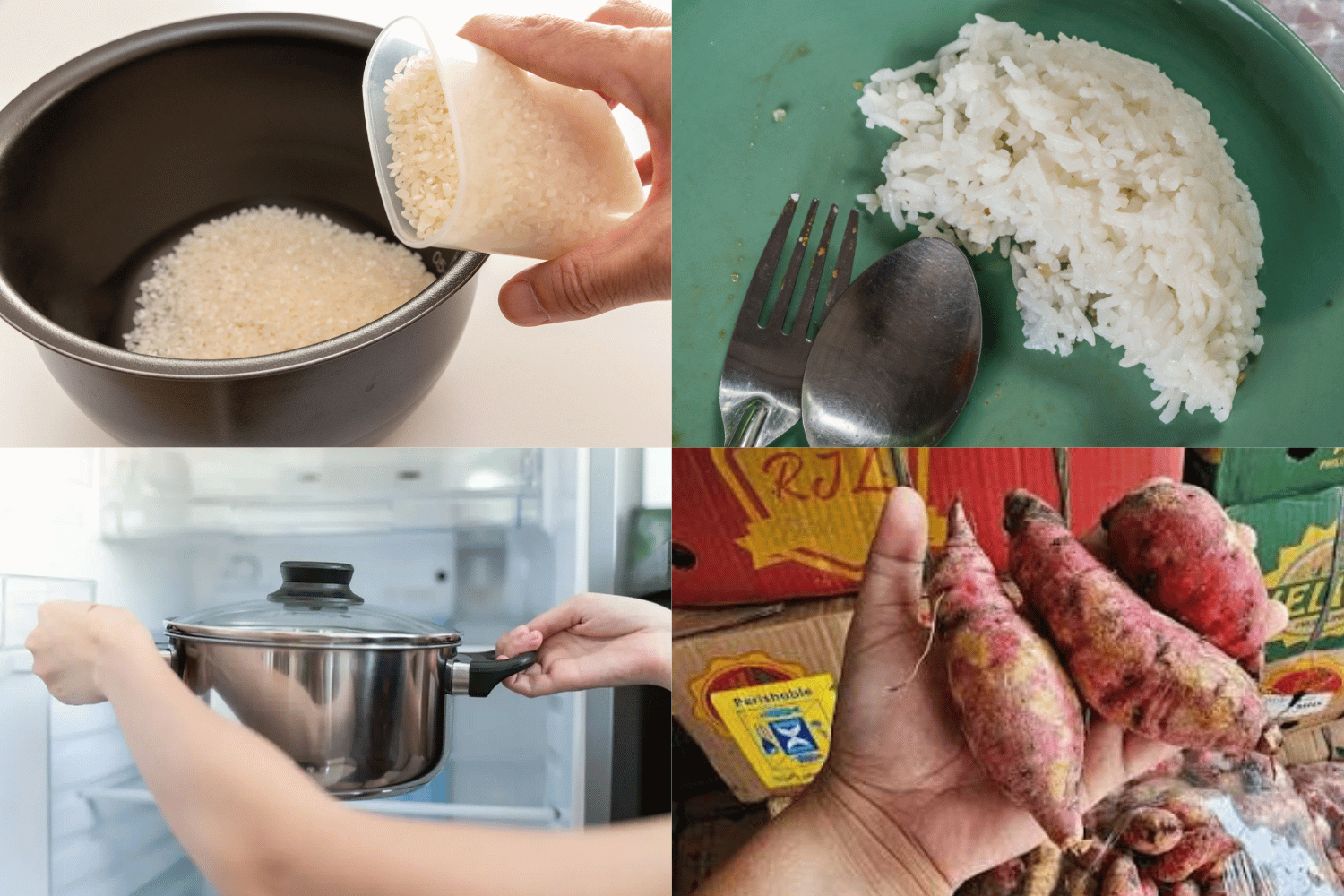
Cook only what you can eat
It starts before the rice cooker is even switched on.
Instead of automatically cooking the same number of cups every day, adjust the amount according to how many people are actually eating. Knowing your household’s usual consumption can prevent the familiar sight of a rice cooker still half-full long after dinner.
Take less first, get more later
There is no need to pile rice onto your plate.
Start with a smaller serving. If you’re still hungry, get another scoop. This is especially useful at buffets, parties and restaurants, where people tend to take more food than they can finish.
Dagdagan kung kulang, kaysa itapon kapag sobra.
Normalize the half-cup
The DA is also pushing for the revival of half-cup rice servings as a practical way to reduce plate waste.
Giving customers the option of ordering half a cup is particularly useful for children, seniors and light eaters. A smaller serving does not mean depriving anyone of rice. It simply means giving people the amount they can actually finish.
Don’t throw away yesterday’s rice
Cold rice sitting in the refrigerator isn’t automatically waste.
Filipino households already have one of the easiest solutions: sinangag.
Leftover rice can also become champorado, rice pudding and other dishes instead of going straight into the garbage. Proper storage is important: cooked rice should be cooled and refrigerated promptly rather than left sitting at room temperature for long periods.
Protect rice from spoilage
Rice wasted before it reaches the plate still counts.
Store uncooked rice in a clean, dry and tightly sealed container to protect it from moisture and pests. Cooked rice should likewise be handled properly so leftovers remain safe enough to eat later.
Preventing spoilage is just as important as finishing what’s already on your plate.
Try other Filipino staples
Not every meal has to depend entirely on white rice.
The DA has encouraged Filipinos to diversify their carbohydrate sources with locally available alternatives such as corn, camote, saba and adlai, as well as brown and other varieties of rice.
Doing so can help stretch rice supplies while creating demand for other crops grown by Filipino farmers.
Two tablespoons become millions of sacks
Perhaps the most alarming lesson from the DA figures is how something seemingly insignificant at one dining table becomes enormous when repeated nationwide.
A few spoonfuls thrown away by one person may seem harmless. Across more than 100 million Filipinos, those leftovers add up to hundreds of thousands of tons of wasted rice—and billions of pesos.
Producing more rice remains important. Supporting Filipino farmers remains important.
But food security also begins at home.
Sometimes, helping protect the country’s rice supply is as simple as looking at what’s left on your plate—and not throwing it away.
READ:
Filipino farmers work the hardest for some of the lowest pay
John Lloyd Aleta
August 24, 2026
Filipinos love rice too much that it is turning into a health problem
John Lloyd Aleta
August 17, 2026
Rice imports continue even as Filipino farmers enter harvest season
John Lloyd Aleta
August 5, 2026