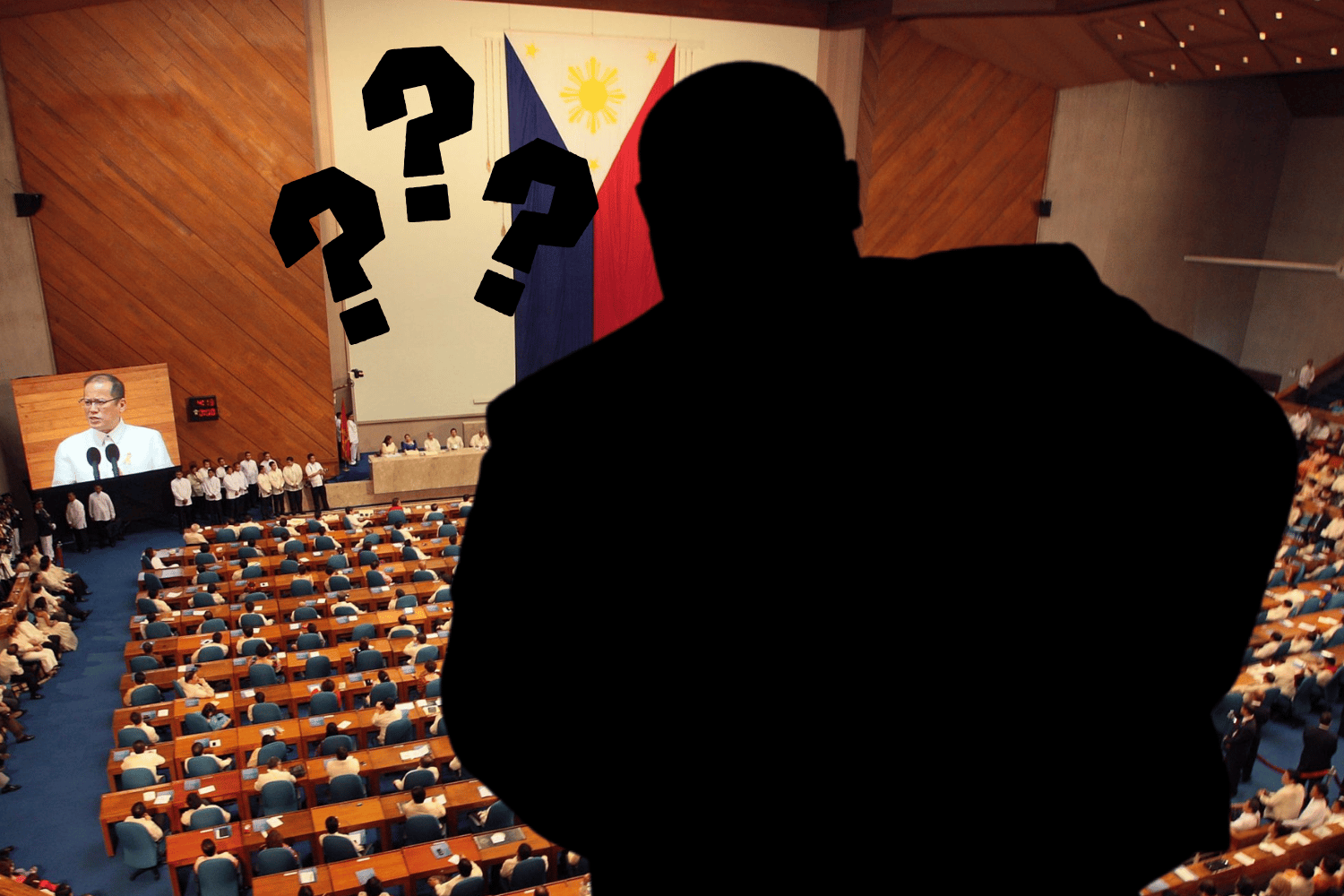
Workers can lose pay for absences while top elected officials generally don’t.
For millions of Filipino workers, missing a day of work can have an immediate consequence: a smaller paycheck.
For the President, Vice President, senators, and members of the House of Representatives, however, absence does not automatically mean a deduction from their basic salary.
That difference has renewed questions over whether the people who make the country’s laws should be subject to the same “no work, no pay” principle familiar to ordinary workers.
When a regular worker is absent
For a daily-paid private-sector employee, the equation can be painfully simple. If there is no work performed on an ordinary working day, there is generally no wage for that day, subject to labor laws, company policies, authorized paid leaves, and other exceptions.
Government employees also face attendance and leave rules. Absences without approved leave can result in deductions from pay, while habitual absenteeism may lead to administrative sanctions.
In other words, attendance can directly affect the income of an ordinary employee.
Elected officials play by different rules
The country’s highest elected officials are different.
Their compensation is attached to the constitutional office they hold and is paid as a fixed salary. There is currently no general mechanism automatically deducting a President’s, Vice President’s, senator’s, or congressman’s basic salary simply because the official missed a particular workday, plenary session, or committee hearing.
For lawmakers, neither chamber currently operates under a straightforward system in which every unexcused absence automatically translates into a corresponding salary deduction.
That means a senator can miss a session without automatically losing the equivalent of one day’s basic pay—something many ordinary workers cannot do.
And their salaries are not small
Under the 2026 government salary schedule, the President occupies Salary Grade 33, while the Vice President, Senate President, and House Speaker are at SG 32. Senators and members of the House are at SG 31.
Their basic monthly compensation runs into hundreds of thousands of pesos, with the President’s salary exceeding ₱400,000 a month and lawmakers earning around ₱300,000 or more, depending on the applicable salary step.
These amounts do not necessarily represent the total resources associated with their offices. Lawmakers also have institutional budgets for personnel, operations, travel, committee work, supplies, and other official expenses. These office funds, however, should not be confused with their personal salaries.
Can their pay ever stop?
Yes—but not simply because they failed to show up on a particular day
An official who is formally suspended under applicable law may lose the right to receive compensation during the suspension. Lawmakers may also voluntarily waive or stop accepting their salaries during prolonged absences.
Chronic absenteeism can potentially become an ethics or disciplinary matter. The Constitution allows each chamber of Congress to punish its members and, with a two-thirds vote, suspend or expel a member.
But that is very different from the automatic deduction an ordinary worker may see on the next payslip.
A push for “no work, no pay”
The disparity has prompted proposals in Congress seeking to impose clearer “no work, no pay” rules on elected officials who incur unexcused absences.understand: if attendance and actual work matter when calculating the salary of an ordinary employee, why should elected officials—whose salaries ultimately come from public funds—be treated differently?
Until such a system becomes law, however, an absence from work does not automatically make the country’s highest elected officials poorer by even one day’s salary.
For many Filipino workers, it does
READ:

Ynna Asistio opens up on Nadia Montenegro’s resignation, trauma after Senate issue
Melba Llanera
August 10, 2026

Korina Sanchez considers Senate run as calls for her to enter politics grow
Kiko Escuadro
September 1, 2026

Robin Padilla skips Senate hearing for ‘Bad Boy 3’ screening
Denchelle Castro
June 17, 2026
Tags: absenteeismCivil Service CommissionCongress of the PhilippinesDepartment of Labor and EmploymentgovernmentHouse of Representatives of the Philippineslabor rightsno work no pay policyPresident of the Philippinesprivate sectorpublic sectorsalarySenate of the PhilippinesVice President of the Philippines