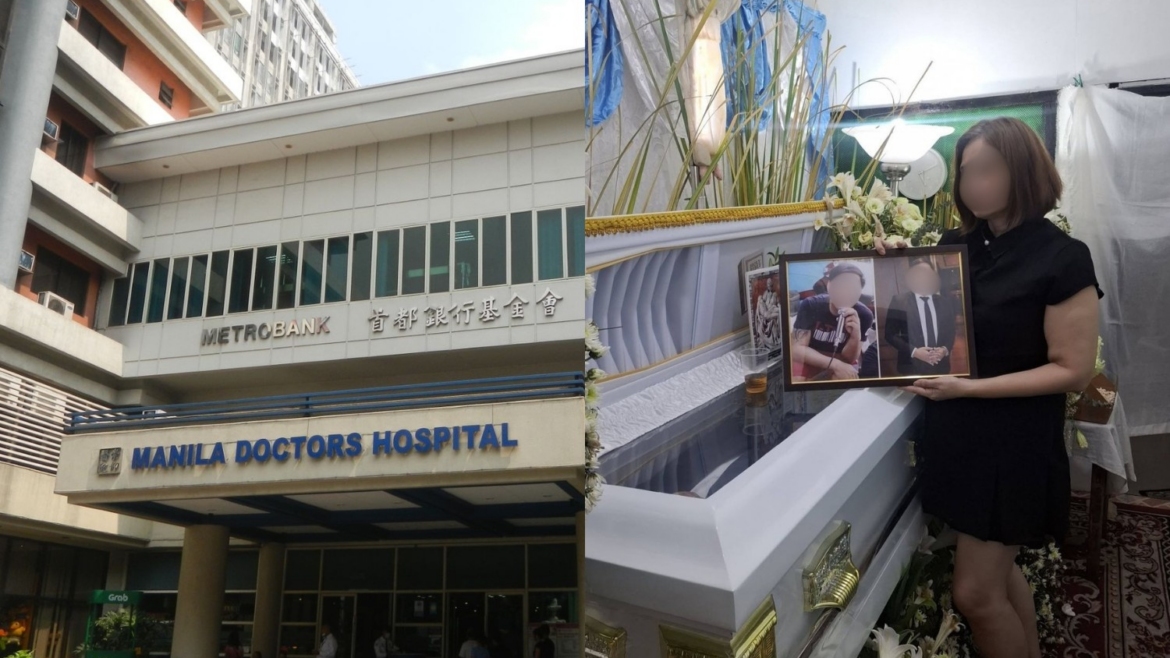
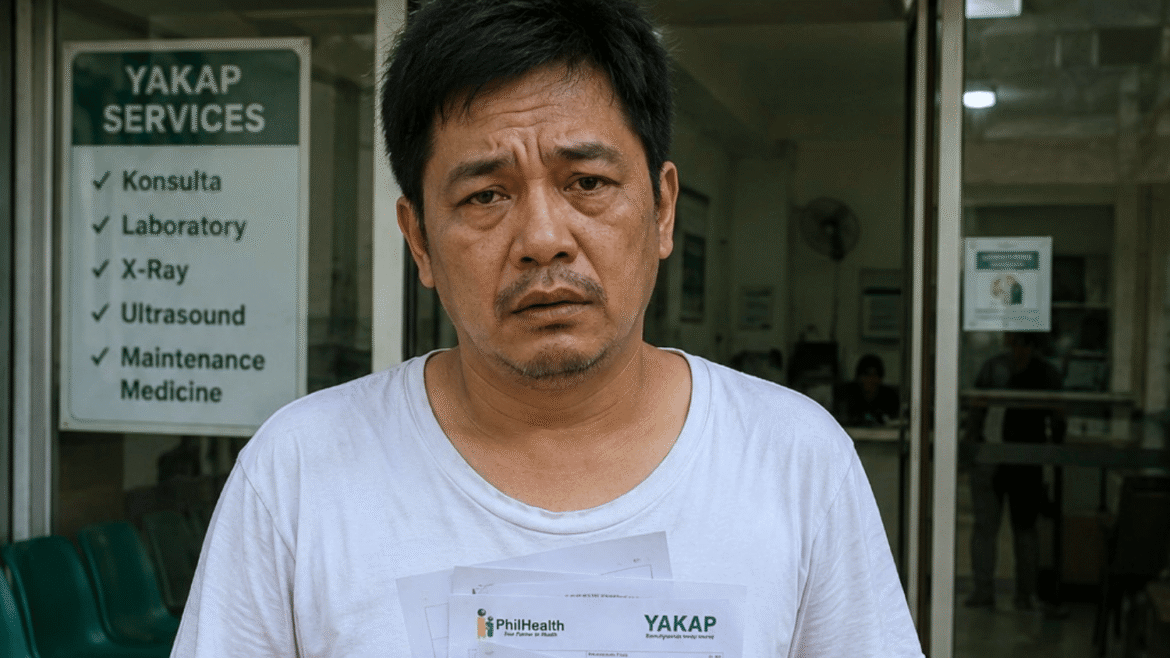
PhilHealth’s planned health proxy option could give patients more control over who makes decisions when they cannot speak for themselves.
A medical emergency can turn a person’s closest relationship into a legal question when hospitals need someone else to make decisions for a patient who cannot speak for themselves.
That becomes difficult for Filipinos whose families and support systems do not fit the traditional idea of a spouse or immediate relative.
Currently, hospitals generally require consent forms for incapacitated patients to be signed by a legally recognized spouse or next of kin, including in life-or-death emergencies.
This can create difficulties for solo parents who may rely on a trusted relative or friend to make decisions or coordinate care. That person, however, may not always have the legal standing that hospitals require before allowing them to make medical decisions.
The same problem is seen among LGBTQIA+ couples. A person may share a home, finances, and years of life with a partner, but because Philippine law does not recognize same-sex marriage, an unmarried partner may have difficulty obtaining medical information, signing consent forms, or making critical decisions when their partner becomes incapacitated.
Healthcare consent should have recognized these realities much earlier. The person who knows a patient’s wishes and is present during a medical emergency is not necessarily the person related to them by marriage or blood.
Several local governments have already moved in this direction. Quezon City launched its Right to Care Card in 2023, while other cities and local governments in Metro Manila, Cavite, Laguna, and Ilocos Sur have since adopted similar healthcare proxy policies.
PhilHealth is now moving toward an expanded consent system, where updated membership and registration forms will include a field for members to designate a health proxy, with the revised forms expected by the end of September.
That may look like a small administrative change, but it gives patients a welcome chance to decide who they trust to speak for them during medical emergencies.
READ: