Agency warns current funding may not remain sustainable without higher government subsidies.
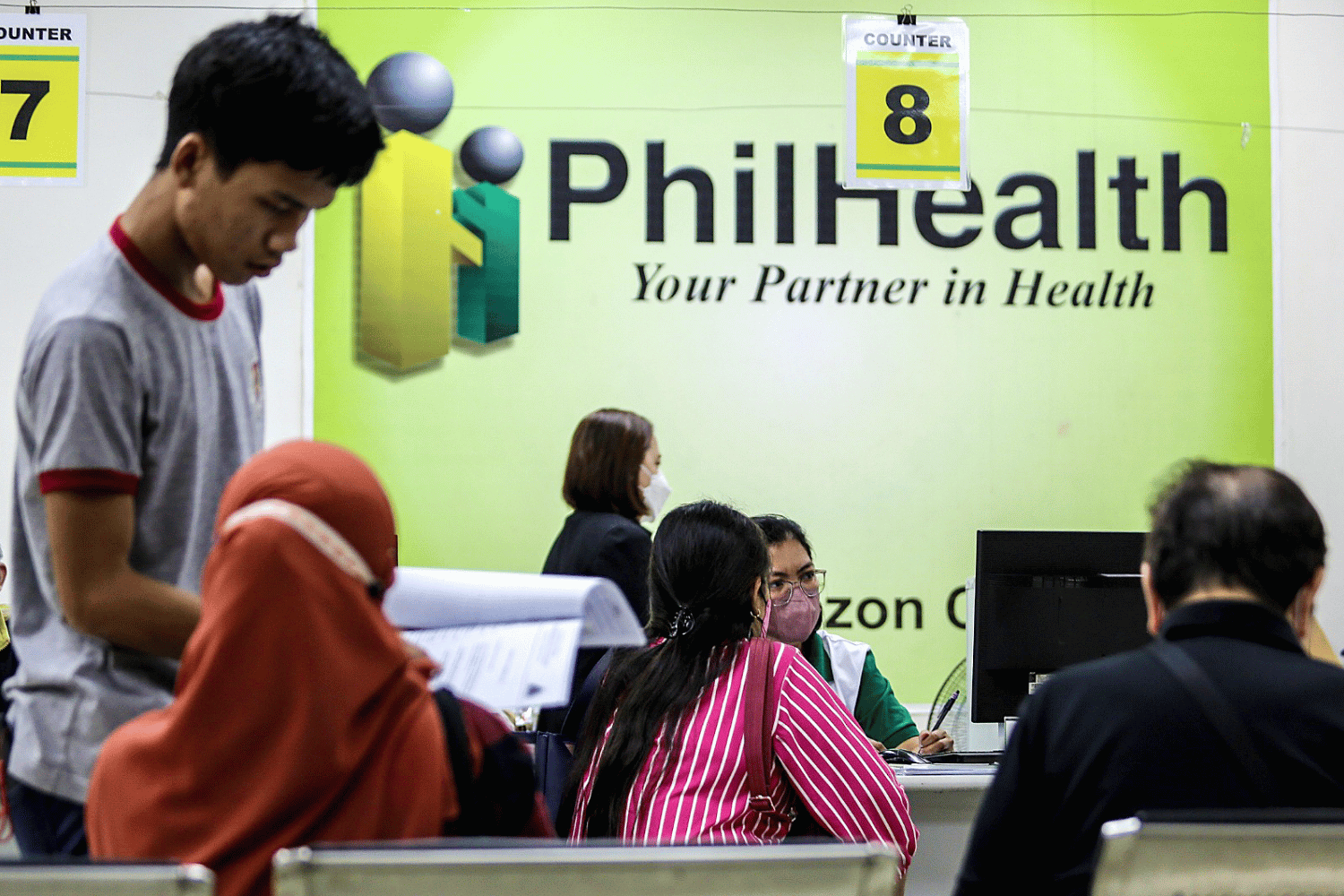
PhilHealth warns that the benefits of indirect members could become financially unsustainable within the next few years, potentially affecting Filipinos who rely on government-funded health coverage.
The agency projects at least ₱244 billion in benefits for indirect contributors in 2027, but only around ₱79 billion is currently allocated, leaving a gap of roughly ₱165 billion.
PhilHealth can cover the difference for now through retained earnings, but the Department of Health warned that this approach may not remain sustainable within two to three years without higher government subsidies.
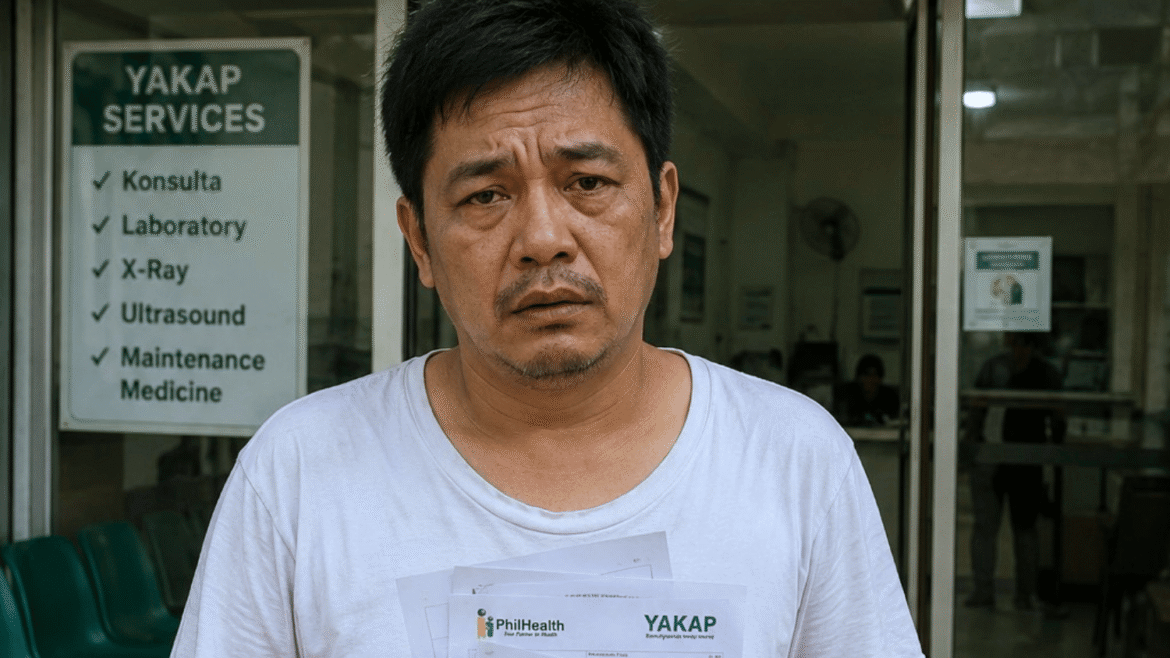
Indirect members include Filipinos whose PhilHealth coverage is funded through government subsidies, including beneficiaries of the Pantawid Pamilyang Pilipino Program (4Ps), persons with disabilities, indigents, solo parents, and children, among others.
PhilHealth’s benefits are designed to reduce the amount patients have to pay for covered services, with case-rate payments deducted from hospital bills at accredited facilities.
The state insurer itself has previously identified government support as a key factor in the financial viability of the National Health Insurance Program, while also noting that healthcare facilities, medical equipment, and health professionals must be available for members to maximize their benefits.
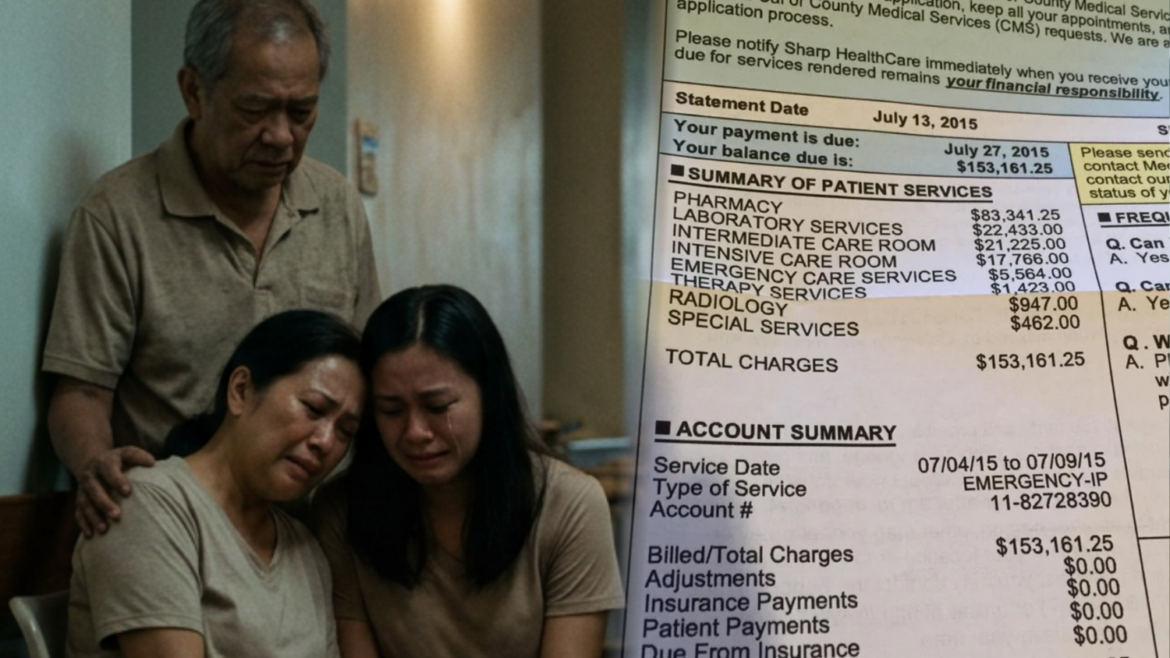
A funding gap that persists over several years could put pressure on the benefits available to some of the country’s more financially vulnerable patients, particularly those with little capacity to shoulder medical expenses on their own.
READ: