Can a Philippine product make it to an overseas market if the workers who made it were exploited?
A Philippine product may look ready for the global market, but increasingly, businesses also have to look at how that product was made.
The International Labour Organization (ILO) has launched a four-year project to strengthen the Philippines’ systems for preventing and addressing forced labor, with a particular focus on sectors linked to international trade such as agriculture, manufacturing and mining.
Funded by the Government of Canada, the PRIME PH project will run until February 2030 and help government agencies and social partners identify forced labor cases, protect victims and improve investigations and prosecution.
The project also puts businesses and their supply chains under greater scrutiny. The ILO will support employers in conducting forced-labor due diligence, identifying and mitigating risks, providing remediation, and setting up grievance mechanisms involving workers and employers.
That can have a direct impact on products that end up in international markets. A company may have a clean record of its own, but if forced labor is found somewhere deeper in its supply chain, the issue can reach the buyer, the exporter and ultimately the product itself.
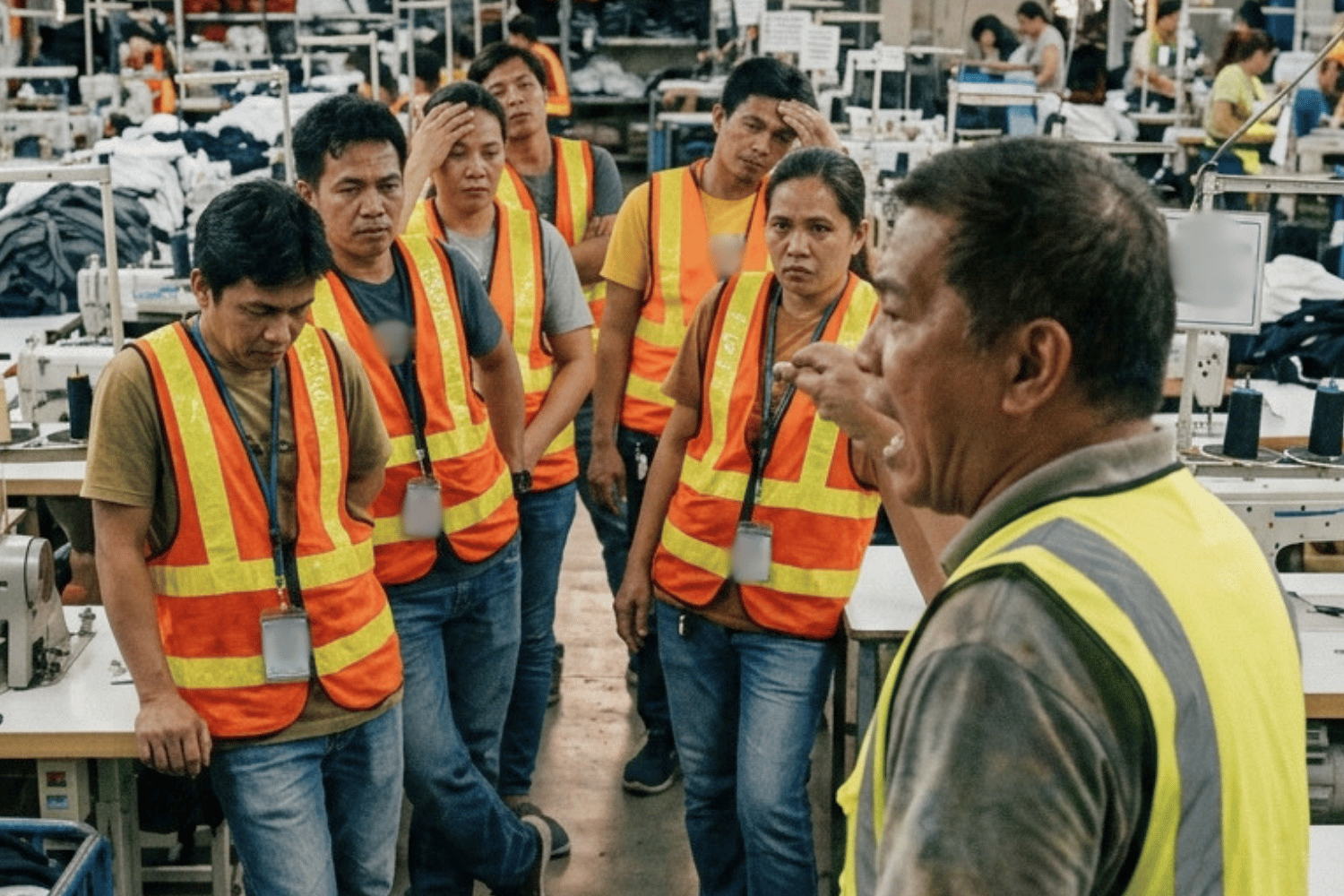
Think of the Filipino goods that leave the country every day, from agricultural products and manufactured goods to minerals. Behind each one is a chain of workers, suppliers and contractors. PRIME PH is pushing businesses to look more closely at that chain and what happens to the people who keep it moving.
“Protection from forced labour is fundamental to decent work, human dignity, and fair competition,” Labor and Employment Secretary Francis Tolentino said.
That means the conditions of the people making a product can become part of its journey to the global market. Knowing who makes their products and under what conditions could increasingly become part of how Philippine companies compete overseas.
READ: