The Philippines earned bronze for its Dinorado rice at the 2026 World’s Best Rice contest.
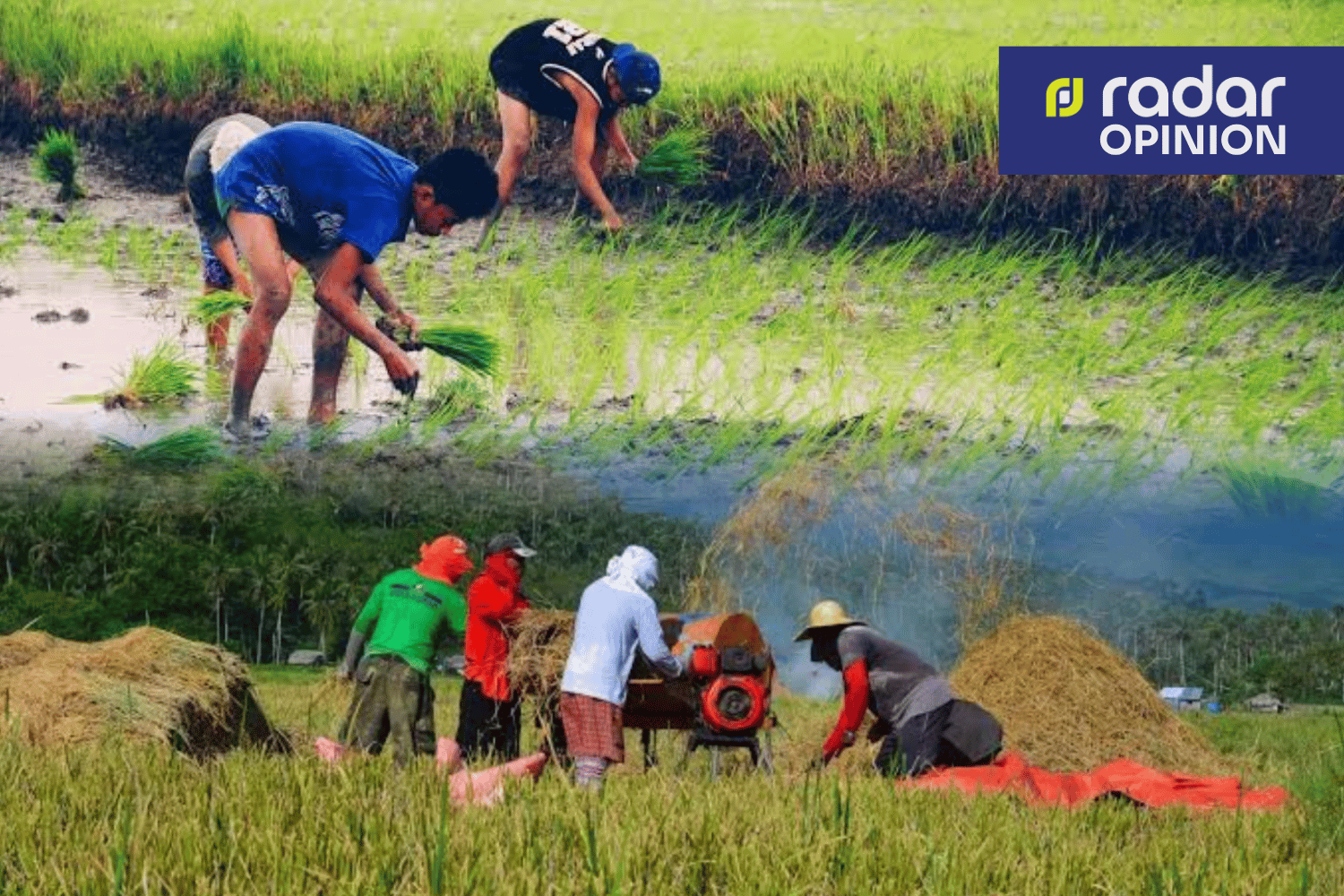
Philippine rice continues to earn international recognition, but for the farmers who grow the country’s staple food, producing quality palay does not always mean earning a decent living.
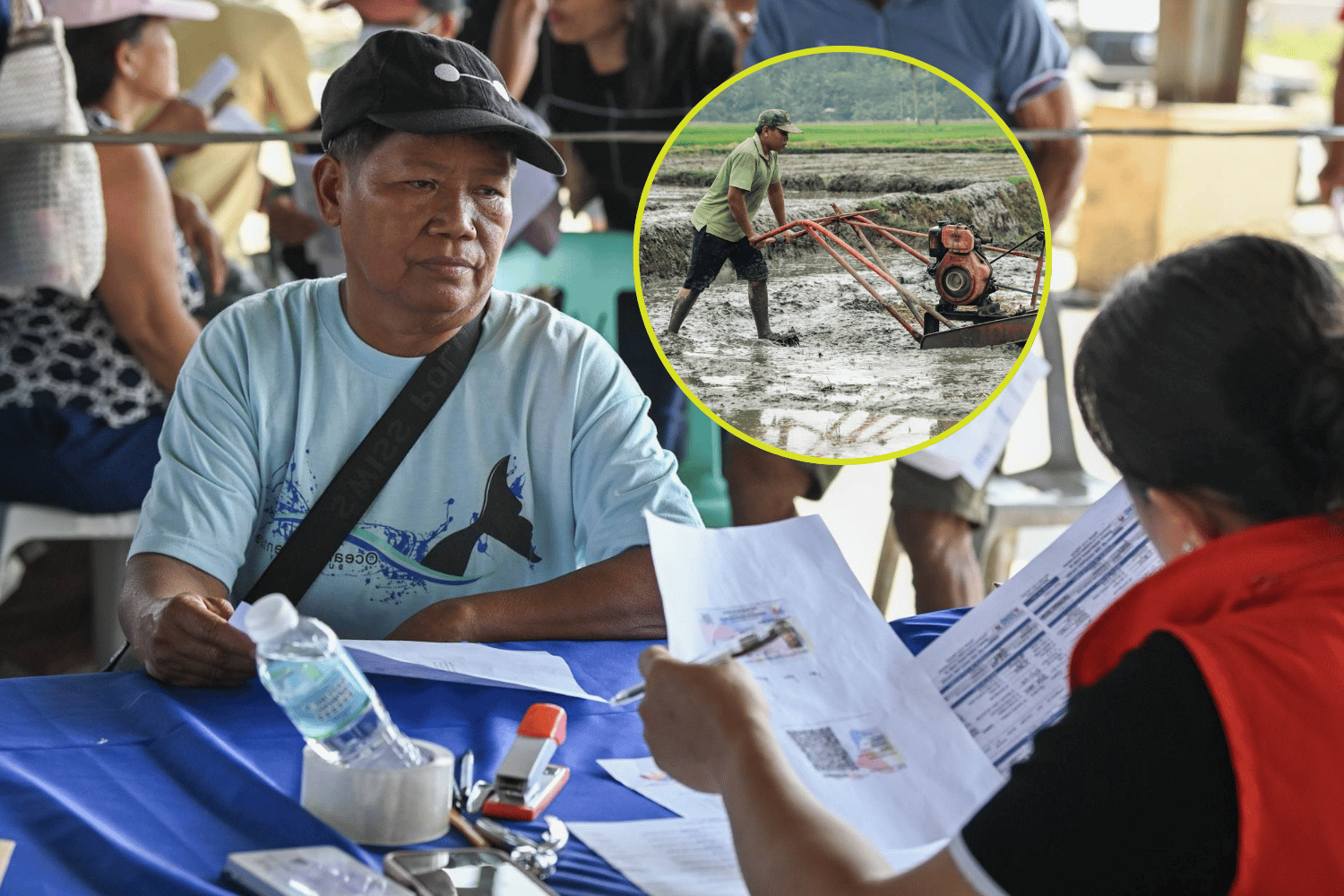
High production costs for fertilizer, seeds, fuel, and machinery eat into farmers’ earnings, while fluctuating farmgate prices can force them to sell their harvest for less than the cost of producing it.
Meanwhile, the Philippines won bronze in the World’s Best Rice 2026 competition, held alongside the International World Rice Conference in Makati City on October 7 to 9.
The country’s entry, NSIC Rc 218 SR, known as Mabango 3 and commercially sold as Dinorado, placed third in the international contest, which judged rice varieties on aroma, cooked texture, grain quality, and overall eating experience. Myanmar won gold, while Vietnam took silver.
The Philippine Statistics Authority (PSA) estimated the average cost of producing palay at ₱13.26 per kilogram in 2025, with average production expenses reaching ₱55,097 per hectare. Net returns averaged ₱18,476 per hectare for the year.
These figures show how much farmers must spend before earning a return, with actual results varying by region and farm conditions.
Farmers also face the risk of selling their harvest at prices that fail to cover those expenses, particularly during peak harvest periods when abundant supply can weaken farmgate prices.
The Department of Agriculture reported that palay prices fell to around ₱14 to ₱16 per kilogram during several months in 2025, with prices reaching about ₱15.80 per kilogram in September as increased rice imports placed pressure on the local market.
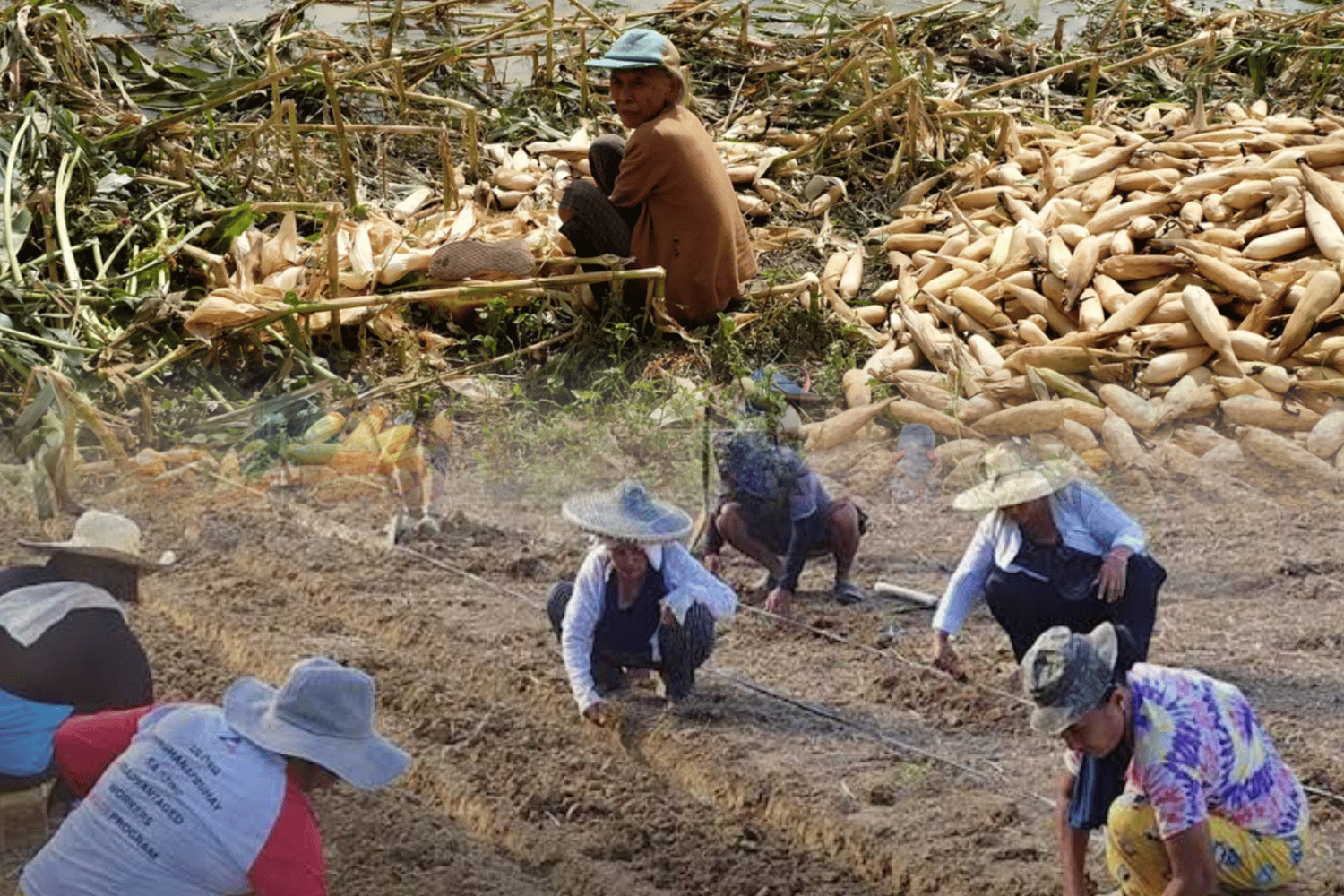
Production costs are only part of the problem, as farmers must also contend with typhoons, flooding, drought risks, irrigation limitations, and expenses for fertilizer, seeds, labor, machinery, and logistics.
These pressures can leave small farmers with little room to absorb losses or invest in better equipment and farming methods. Limited access to drying facilities, storage, and reliable markets can further affect the quality of their harvest and the prices they receive.
The bronze award highlights the potential of Filipino rice breeders and researchers to develop varieties that can compete internationally. Sustaining that quality, however, requires continued investment in research, affordable farm inputs, irrigation, mechanization, and postharvest infrastructure.
More reliable market access and fair farmgate prices are equally important so farmers can recover their production costs and earn enough to keep planting.
International recognition puts Philippine rice on the map, but lasting success will depend on whether the people who grow it can also share in the gains.
READ: