As the threat of a Super El Niño raises fears of prolonged drought and water shortages, a seemingly obvious question is resurfacing: Why can’t the Philippines simply turn seawater into drinking water?
After all, the country has more than 7,600 islands surrounded by an almost limitless supply of seawater. Even if dams dry up and groundwater levels fall, the ocean will still be there.
The technology already exists. The problem is how much Filipinos would have to pay for it.
The price of removing salt
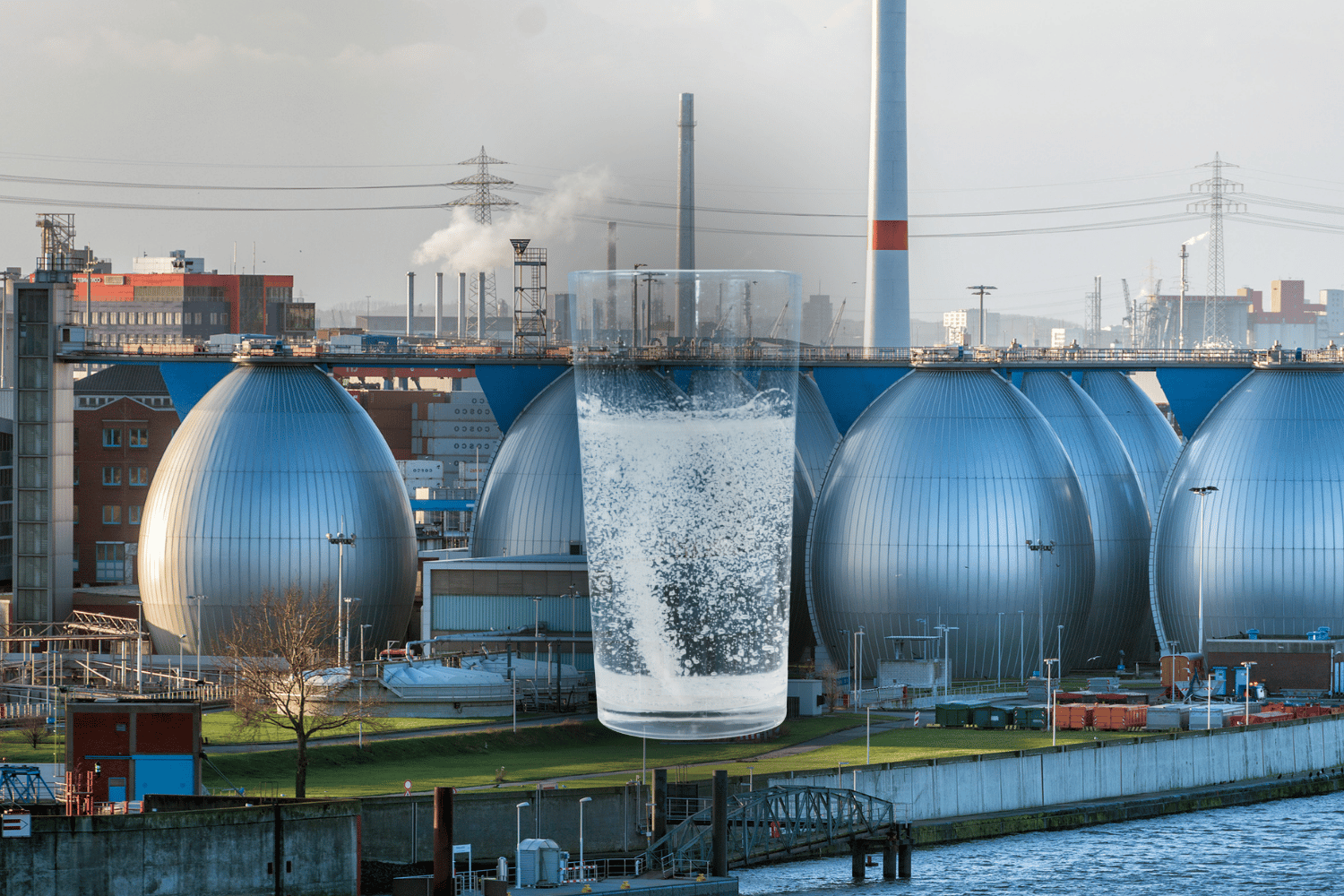
Desalination converts seawater into freshwater through a process called reverse osmosis. Seawater is forced through specialized membranes under high pressure, separating salt and other impurities from water.
The resulting freshwater can then be treated to meet drinking-water standards.
But the process requires substantial electricity, expensive equipment, specialized membranes, chemicals, and regular maintenance.
According to estimates shared by engineering page PumpExperts.ph, producing one cubic meter, or 1,000 liters, of desalinated water in a large facility could cost approximately ₱70 to ₱80.
For comparison, the post estimates that some provincial water districts charge as little as ₱15 per cubic meter, while a Metro Manila household might pay around ₱30.
Small household desalination systems could be even more expensive, with electricity alone potentially reaching ₱150 per cubic meter.
These are illustrative estimates rather than standardized nationwide rates. Actual costs vary depending on plant size, electricity prices, water quality, and operating conditions. Production costs also cannot be directly equated with household water tariffs, which include distribution and other charges.
Billions to turn seawater into drinking water
Despite the expense, desalination is already becoming part of the Philippines’ water supply strategy.
In Cebu, the approximately ₱2-billion Cordova Desalination Plant represents a major investment in securing additional freshwater supplies.
Meanwhile, Iloilo is developing a ₱5.5-billion desalination facility designed to produce approximately 66.5 million liters of water daily, potentially serving around 50,000 households.
The project is targeting partial operations by December 2027 and full operations in the second quarter of 2028.
The Department of Environment and Natural Resources has also explored smaller desalination systems for isolated island communities where conventional freshwater sources are limited.
Can desalination save us from El Niño?
Desalination could help communities survive prolonged drought, particularly coastal towns and islands with limited access to rivers, reservoirs, or groundwater.
But it is not a cheap replacement for dams, watersheds, or existing water distribution systems.
Large facilities require enormous investments, reliable electricity, and infrastructure to deliver treated water to households. They also generate concentrated salty wastewater, known as brine, which must be managed to minimize environmental damage.
As the Philippines prepares for the possibility of severe El Niño conditions, desalination offers another source of water security, but at a significant financial cost.
The irony is that a country surrounded by water could still struggle to afford making that water drinkable.
And for ordinary Filipinos, the real question may no longer be whether seawater can become drinking water, but whether they can afford the bill.
READ:
Gov’t borrows ₱15B for water projects
radar Business
October 9, 2026

Some Philippine freshwater fish may already be gone
John Lloyd Aleta
September 28, 2026

Brace for extreme heat, drought and water shortages as Super El Niño intensifies
Top Dagohoy
October 2, 2026