₱103.6B deal must deliver better rides, not just a new operator.
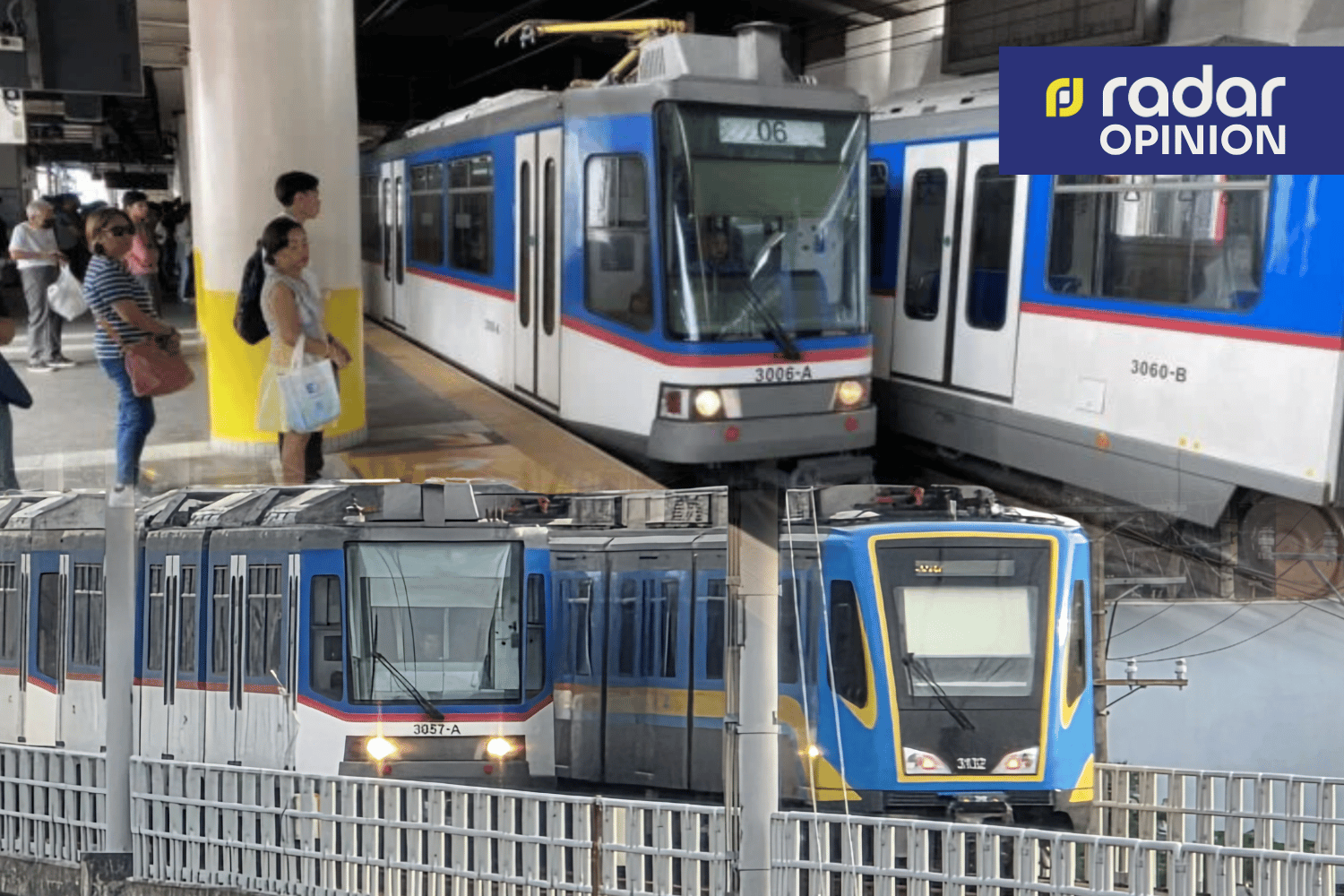
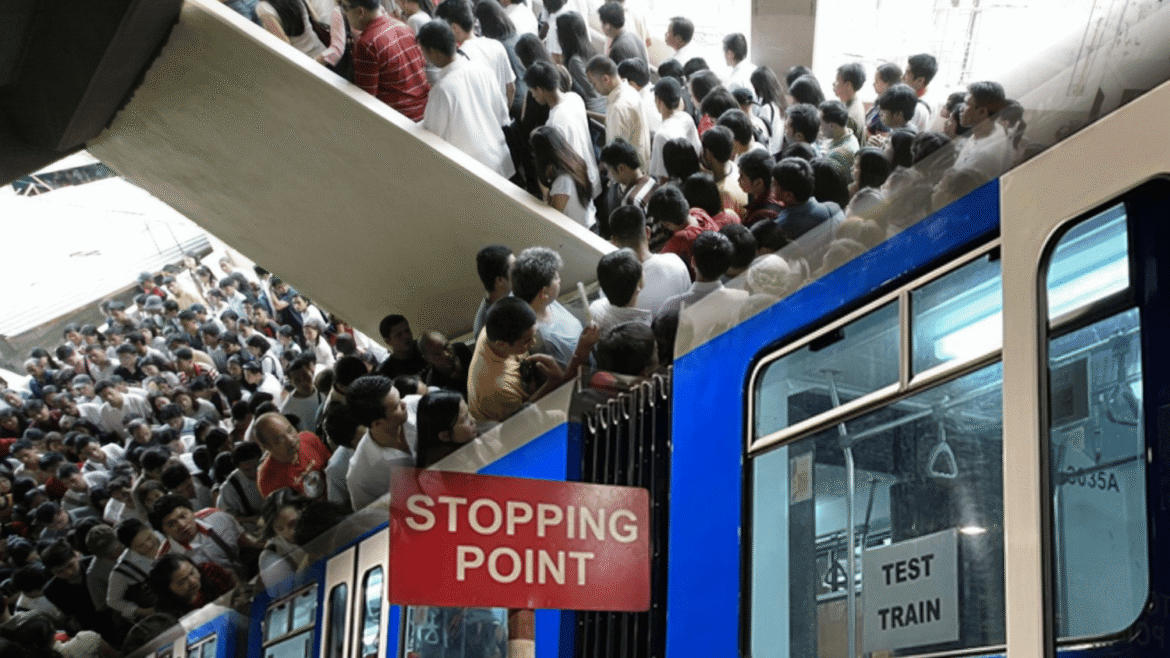
A private operator could soon take over the Metro Rail Transit Line 3 (MRT-3), but for commuters who deal with long queues, packed trains, and service disruptions, the real deal-breaker is whether they’ll finally get a train ride that doesn’t test their patience every day.
The government is preparing a ₱103.6-billion public-private partnership (PPP) for the railway, with bidding targeted for 2027 as it seeks to improve operations and maintenance.
The plan offers potential benefits, including private-sector investment, more efficient maintenance, and greater accountability for keeping trains running, but none of these improvements is guaranteed simply by changing who operates the line.
Commuters have spent years adjusting their schedules around crowded platforms, long waits, and occasional train breakdowns, so skepticism toward another major transport reform is understandable.
The proposed deal also raises questions about fares, particularly for workers and students who rely on MRT-3 several times a week and already have to account for transport costs in their budgets.
The government has clarified that privatization would not automatically mean higher fares, but the final concession terms, including the rules for fare adjustments, have yet to be settled.
That leaves passengers waiting for clearer answers on a concern that hits their wallets directly, even as the government makes its case for bringing in a private operator.
A potential fare increase should not be treated as a certainty, but neither should commuters be expected to dismiss affordability concerns before the details are clear.
A private operator may bring technical expertise and a stronger incentive to meet performance targets, but it will still operate within a public transport system where commuters depend on the service to get to work, school, and other daily obligations.
The government must therefore make clear how the concessionaire will be judged, what happens if it repeatedly fails to meet service standards, and how the public can hold both the operator and regulators accountable.
Train availability, breakdown frequency, waiting times, crowding, and maintenance standards should be measured against clear targets that commuters can actually understand, rather than promises of modernization that are difficult to see in their daily trips.
The government also needs to explain how it will protect passengers from paying more without receiving meaningful improvements in return.
Privatization is not inherently a solution to poor public transport, just as public operation does not automatically mean a railway must perform badly.
If commuters still have to leave home earlier to account for unreliable trains, squeeze into overcrowded carriages, and worry about disruptions, then the change in operator will mean little to them.
MRT-3 privatization will only be worthwhile if commuters experience more reliable service, affordable fares, and less stressful daily trips.
READ: