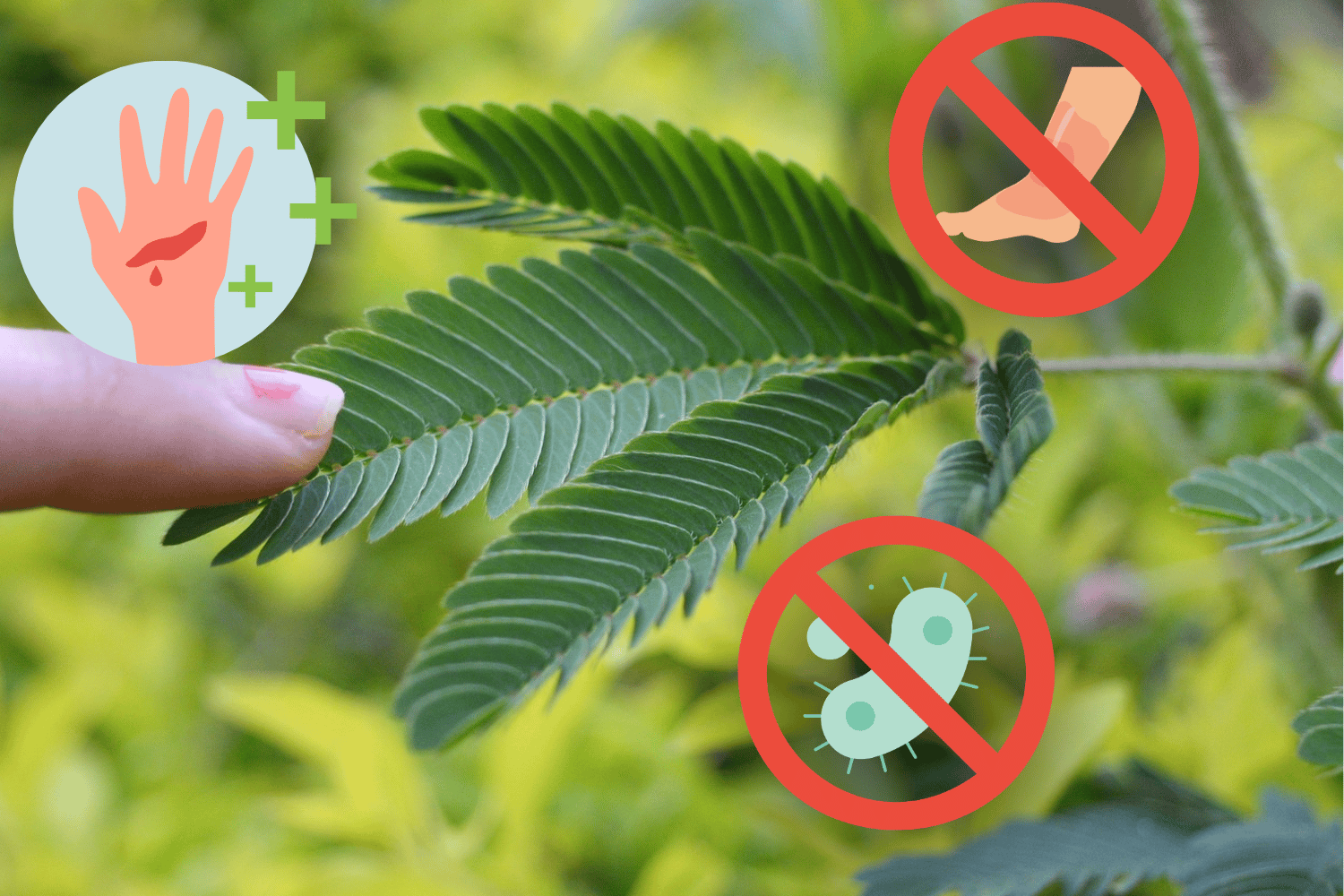
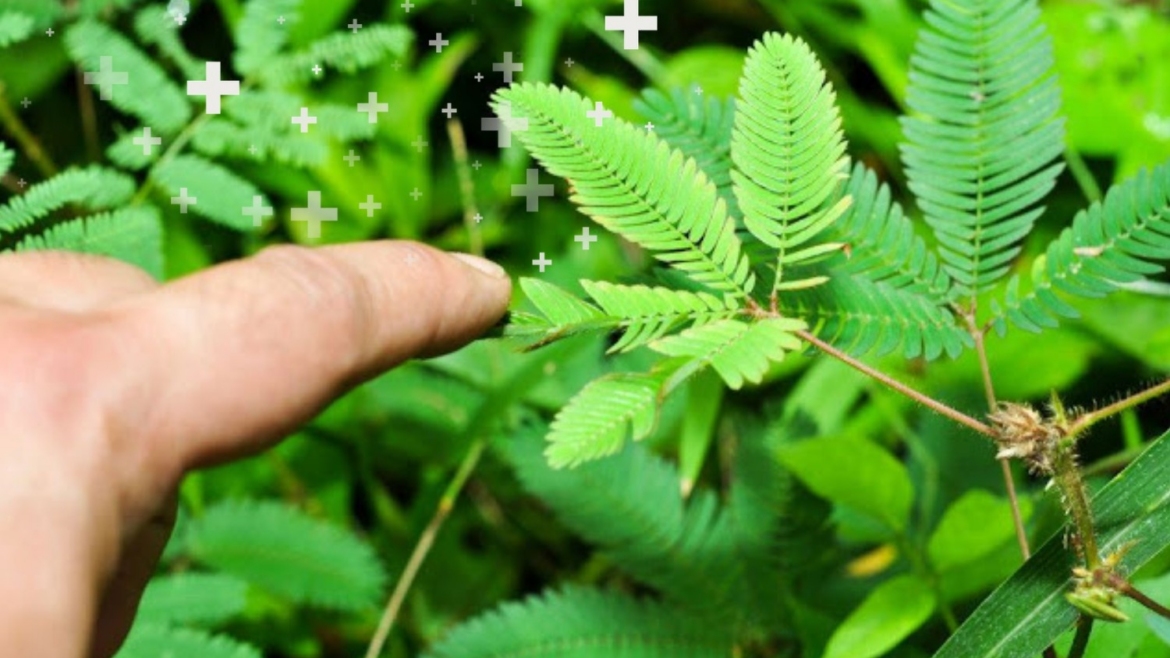
Almost every Filipino has encountered makahiya, the thorny roadside plant whose leaves fold when touched. But scientists are studying this familiar weed for something more remarkable: its potential to fight bacteria, reduce inflammation, and accelerate wound healing.
Scientifically known as Mimosa pudica, makahiya has long been used in traditional medicine, particularly as a crushed-leaf poultice for minor cuts, skin irritations, and swelling.
The science of wound healing
Pharmacological studies have identified several bioactive compounds in makahiya, including tannins, flavonoids, phenols, and terpenoids.
Tannins possess astringent properties that may help protect damaged tissue, while flavonoids act as antioxidants that reduce oxidative stress associated with inflammation.
Experimental studies have also reported increased wound contraction, collagen formation, and hydroxyproline levels, an indicator associated with collagen stability and tissue repair.
These findings, however, come largely from laboratory and animal research rather than human clinical trials.
Natural antibacterial potential
Laboratory investigations have found that certain makahiya extracts inhibit bacteria, including Staphylococcus aureus, a common cause of skin and wound infections.
Researchers have also investigated its activity against Pseudomonas aeruginosa, another bacterium associated with difficult-to-treat wounds.
Such findings suggest potential applications in developing plant-derived wound-care products, although laboratory antibacterial activity does not establish effectiveness in infected human wounds.
More than a wound remedy
Originally from tropical America, makahiya spread across Asia and became naturalized in the Philippines. Its name comes from hiya, referring to its leaves’ touch-sensitive movement.
Traditional medicine also uses the plant for joint pain, urinary complaints, coughs, and sleeplessness.
Early research suggests possible anti-inflammatory, analgesic, antioxidant, and blood-sugar-lowering effects, although clinical evidence remains insufficient.
Important precautions
Makahiya contains mimosine, a compound associated with toxicity at sufficient exposure levels.
Crushed leaves and homemade decoctions are not sterile and should not be used to treat open wounds, particularly deep or infected injuries.
While its medicinal potential is scientifically interesting, makahiya remains an experimental source of therapeutic compounds rather than a clinically proven wound treatment.
READ: