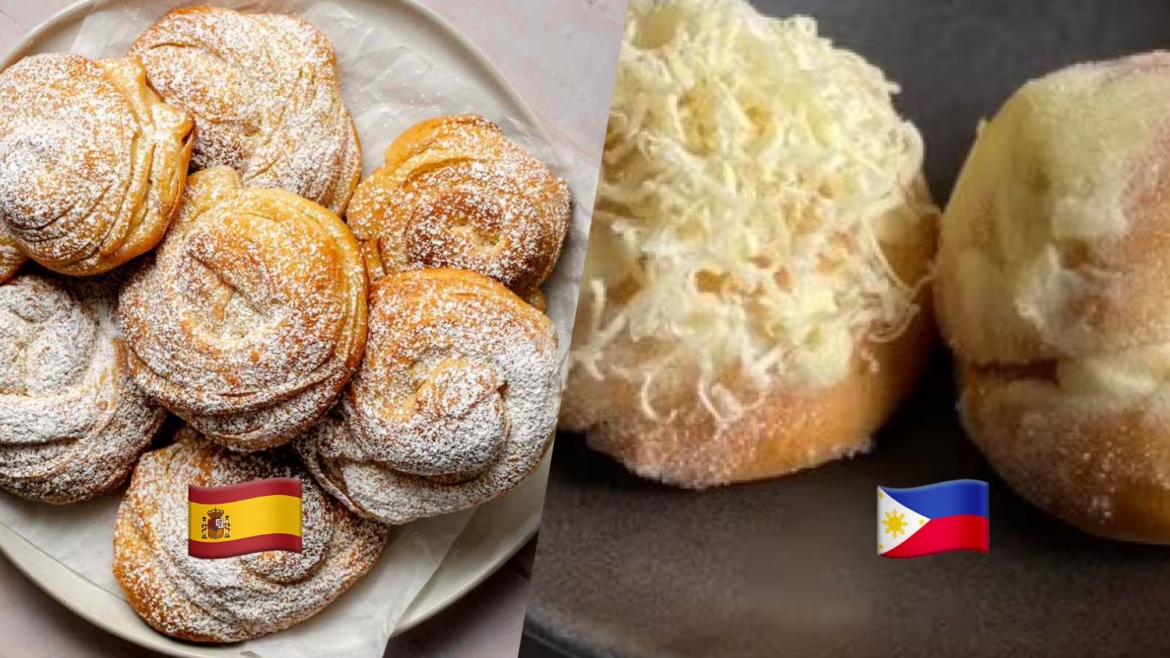
It started with European roots, but its identity is purely Filipino.
A bite into a silvana might remind you of a sophisticated French pastry, but this buttery, crumb-coated frozen dessert is proudly Filipino.
Behind its delicate cashew-meringue wafers and rich buttercream lies a fascinating story of European culinary influence and Filipino ingenuity.
The French connection
Silvanas trace their culinary roots to the French dacquoise, a layered dessert traditionally made with almond or hazelnut meringue and cream.
As European pastry techniques reached Philippine kitchens in the early 20th century, Filipino bakers adapted these recipes using locally available ingredients.
One important innovation was replacing European nuts with cashews, creating the distinctive flavor of sans rival, a layered cake of crisp meringue, buttercream, and chopped nuts.
Its French name means “without rival.”
The exact origins of the Filipino adaptation remain uncertain, but its connection to French pastry-making is unmistakable.
From cake to frozen cookie
Filipino bakers eventually transformed the concept into something more convenient: silvanas.
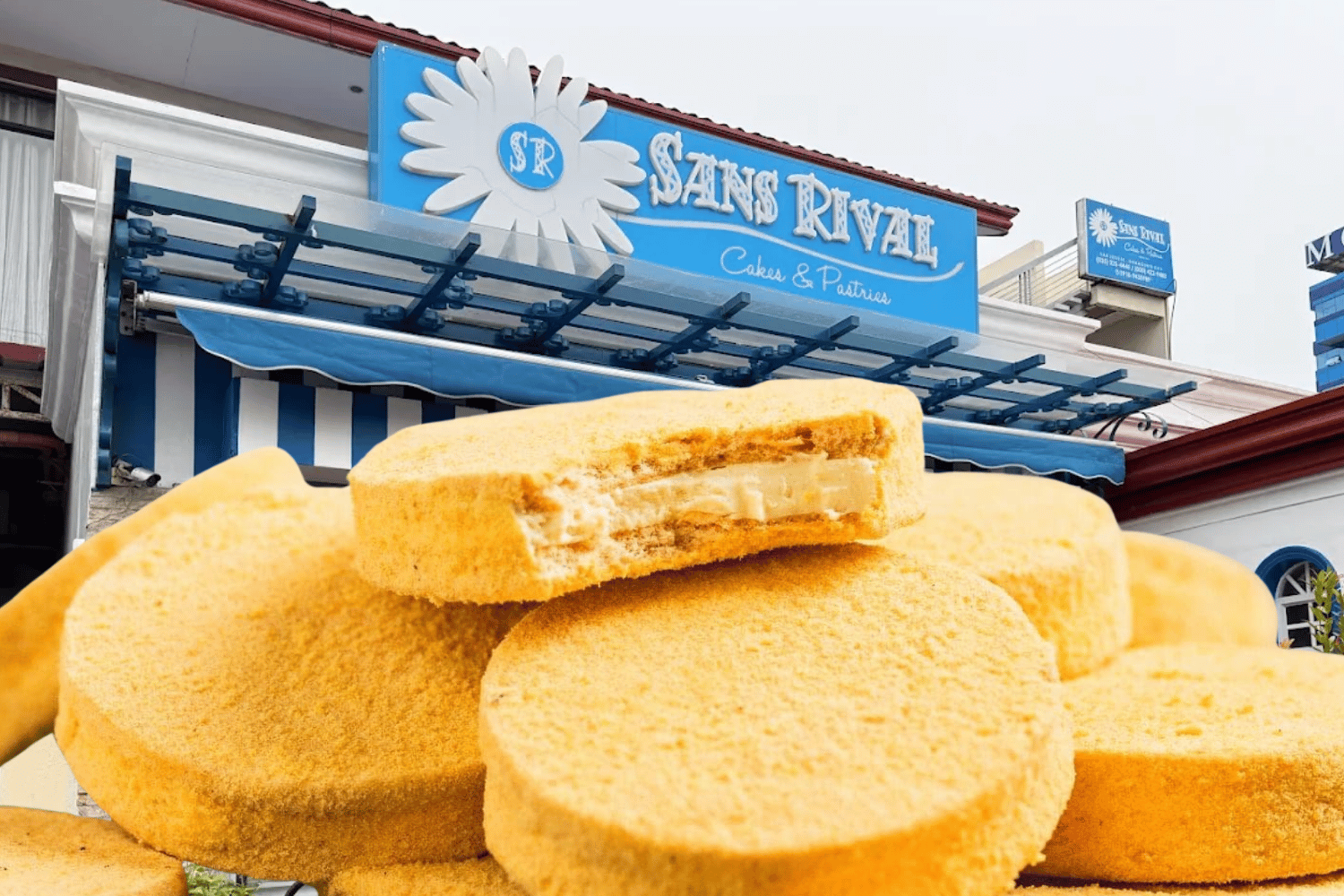
Instead of a large layered cake, two oval cashew-meringue wafers sandwich a generous buttercream filling. The entire confection is coated with cream, rolled in fine crumbs, and frozen.
The result is a delightful combination of crisp, creamy, buttery, and nutty textures.
Unlike its French inspiration, silvanas became a handheld frozen treat, perfectly suited to the Filipino tradition of sharing sweets and bringing home pasalubong.
Dumaguete’s sweet legacy
Silvanas became closely associated with Dumaguete City, particularly through Sans Rival Cakes & Pastries, established in 1977.
The Sagarbarria family’s pastry business helped popularize the delicacy, turning it into one of Negros Oriental’s most recognizable culinary specialties.
House of Silvanas later helped bring the dessert to a wider market.
Today, the classic butter variety shares freezer space with chocolate, ube, pandan, and other modern interpretations.
A distinctly Filipino creation
Silvanas demonstrate how Filipinos have repeatedly transformed foreign culinary traditions into something uniquely their own.
The French contributed the pastry techniques. Filipino bakers introduced local ingredients, adapted the presentation, and created a dessert that eventually became a national favorite.
Its inspiration may be European, but its evolution, character, and identity are unmistakably Filipino.
READ: