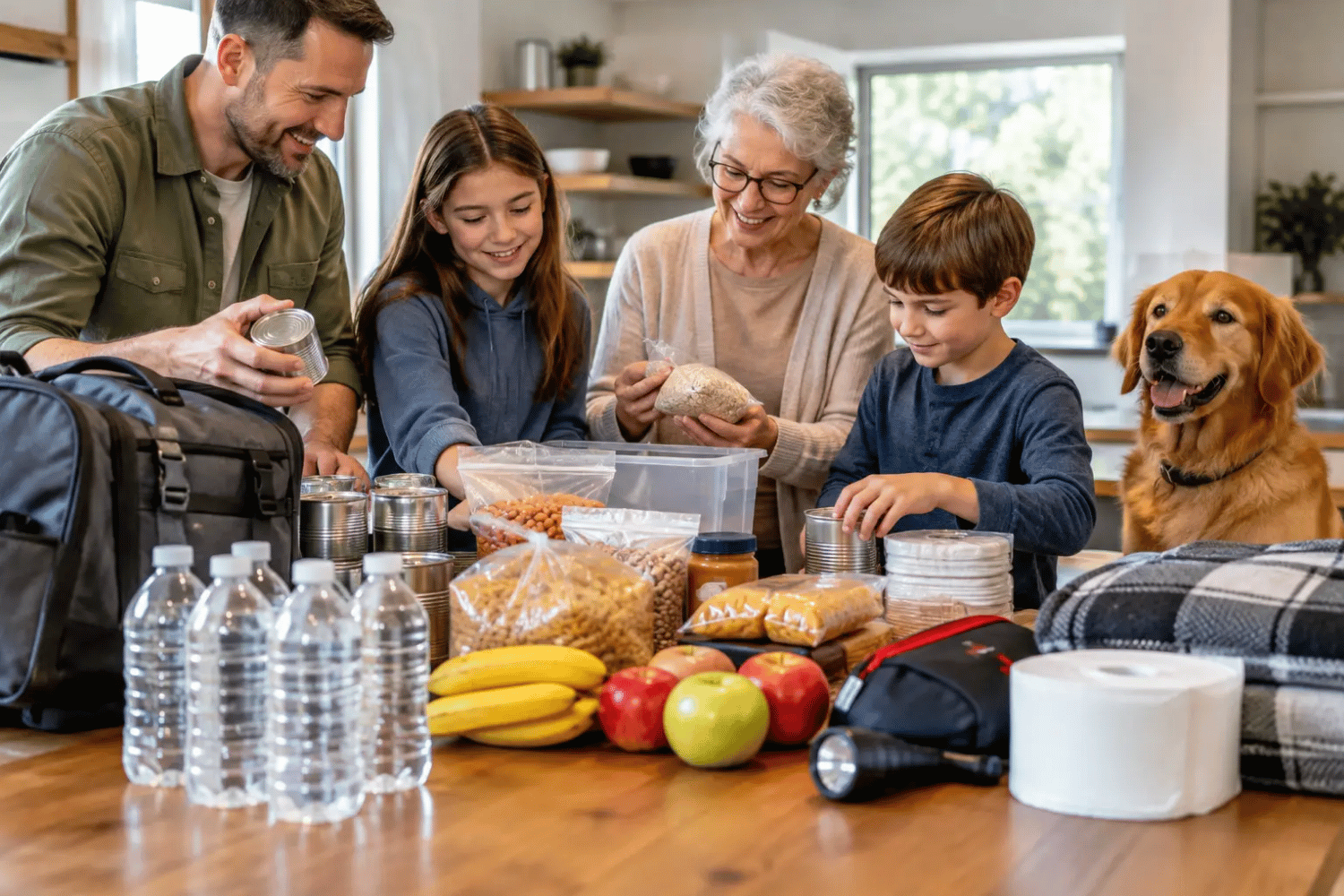
Official European and Asian advisories remind families to keep 3 to 10 days of basic supplies for sudden power cuts and disasters.
Governments across Europe and Asia are urging citizens to stockpile food, drinking water, medicines, and emergency supplies, fueling speculation that major nations are preparing for war or an impending global catastrophe.
The warnings are real. But contrary to viral claims that households are being told to store months’ worth of supplies, most official recommendations cover just three to seven days, with some extending to 10 days.
Behind the advisories are government preparedness programs, some recently launched and others operating for years, designed to protect households against cyberattacks, infrastructure failures, geopolitical threats, and natural disasters.
Britain launches ‘be ready’ campaign
In October 2026, the United Kingdom launched its “Be Ready” public preparedness campaign, encouraging households to survive at least 72 hours without essential services.
The official checklist recommends nine liters of drinking water per person for three days, nonperishable food, prescription medicines, flashlights, batteries, power banks, emergency radios, and cash.
The campaign builds on the British government’s “Prepare” website, introduced in 2024 to help citizens plan for emergencies ranging from severe weather to power outages and infrastructure disruptions.
Japan reinforces disaster preparedness
Japan’s Cabinet Office promotes emergency stockpiling through its annual Disaster Prevention Week, known locally as “Bosai Shukan,” alongside its broader disaster-management programs.
Government guidance recommends at least three days of food, drinking water, portable toilets, and sanitation supplies, preferably enough for one week.
Japanese authorities also promote “rolling stock,” a system in which households regularly consume stored food and replace it during routine grocery shopping.
The recommendations are not new. Similar guidance has been issued for years, primarily addressing earthquakes, tsunamis, typhoons, and disruptions to essential utilities.
Sweden distributes ‘in case of crisis or war’
Sweden has taken a more explicit national-security approach through its official civil-defense brochure, “In Case of Crisis or War.”
The updated 2024 edition was distributed to approximately 5.2 million households, providing guidance on surviving without electricity, water, communications, and access to supermarkets.
The publication addresses extreme weather, cyberattacks, disinformation, and military conflict. Swedish preparedness guidance encourages households to manage independently for at least one week.
Unlike ordinary disaster manuals, the Swedish publication directly discusses what citizens should do if their country faces war.
Norway promotes ‘self-preparedness week’
Norway’s Directorate for Civil Protection, known as DSB, runs an annual “Self-Preparedness Week” to encourage households to prepare for emergencies.
In May 2024, Norwegian authorities increased the recommended household survival period from three days to one week.
An updated brochure, “How to Contribute to Norway’s Emergency Preparedness,” was subsequently distributed nationwide.
According to DSB, the proportion of Norwegians reporting that they stored drinking water increased from 21% in 2017 to 47% in 2024.
Finland follows the ‘72 hours’ standard
Finland promotes the “72 Hours” preparedness recommendation, supported by public authorities and civil-society organizations.
The program advises households to maintain at least three days of food, drinking water, medicines, and other necessities.
The Finnish government’s preparedness guidance explains that the three-day period allows authorities time to stabilize emergencies and assist vulnerable populations.
The program also discourages panic buying, emphasizing that emergency supplies should largely consist of products families already consume.
Germany recommends up to 10 days
Germany’s Federal Office of Civil Protection and Disaster Assistance, or BBK, publishes the guide “Planning Ahead for Crises and Disasters.”
The guidance recommends that households aim to remain self-sufficient for 10 days, although even three days of supplies would provide meaningful protection.
The updated guide addresses power outages, extreme weather, cyberattacks, sabotage, disinformation, and the possibility of armed conflict.
German authorities emphasize that these recommendations are voluntary and can be implemented gradually according to household circumstances.
Netherlands launches ‘think ahead’
The Netherlands launched its nationwide “Denk Vooruit,” or “Think Ahead,” campaign in November 2025, encouraging citizens to prepare for 72 hours without electricity, water, or internet.
Coordinated by the National Coordinator for Counterterrorism and Security, the campaign promotes emergency kits, family contingency plans, and cooperation among neighbors.
A renewed campaign in October 2026 focused on practical scenarios such as childcare during emergencies and helping neighbors during prolonged service disruptions.
According to the Dutch government, more than four in 10 residents surveyed had already taken steps to prepare for a 72-hour disruption.
Europe adopts a common survival standard
These national initiatives are reinforced by the European Commission’s “Preparedness Union Strategy,” introduced on March 26, 2025.
The strategy calls for developing guidelines that would enable European households to remain self-sufficient for at least 72 hours.
It identifies geopolitical conflict, cyberattacks, climate change, natural disasters, and disruptions to critical infrastructure as major risks requiring stronger civilian preparedness.
The European initiative is not a directive to prepare for an imminent war. It is a broader effort to strengthen resilience against multiple threats.
What should Filipinos prepare?
For the Philippines, where typhoons, floods, earthquakes, and power interruptions are recurring threats, the international advisories offer a practical reminder.
A basic three-day emergency supply should include drinking water, canned sardines or tuna, crackers, ready-to-eat meals, maintenance medicines, first-aid supplies, flashlights, batteries, power banks, hygiene products, cash, and copies of important documents.
Using Britain’s three-liter daily drinking-water recommendation, a family of four would need at least 36 liters for three days, excluding water for cooking and sanitation.
Emergency supplies can be assembled gradually without panic buying or excessive spending.
Ultimately, these government campaigns share one objective: ensuring that households can survive temporary disruptions while emergency responders concentrate on those who need immediate assistance.
READ:
How Filipino retail investors may navigate markets during an oil crisis
Von Cuerpo
March 15, 2026
PH takes on $1.5B ADB loan to cushion Filipinos from Middle East crisis
Kenneth M. del Rosario
September 25, 2026
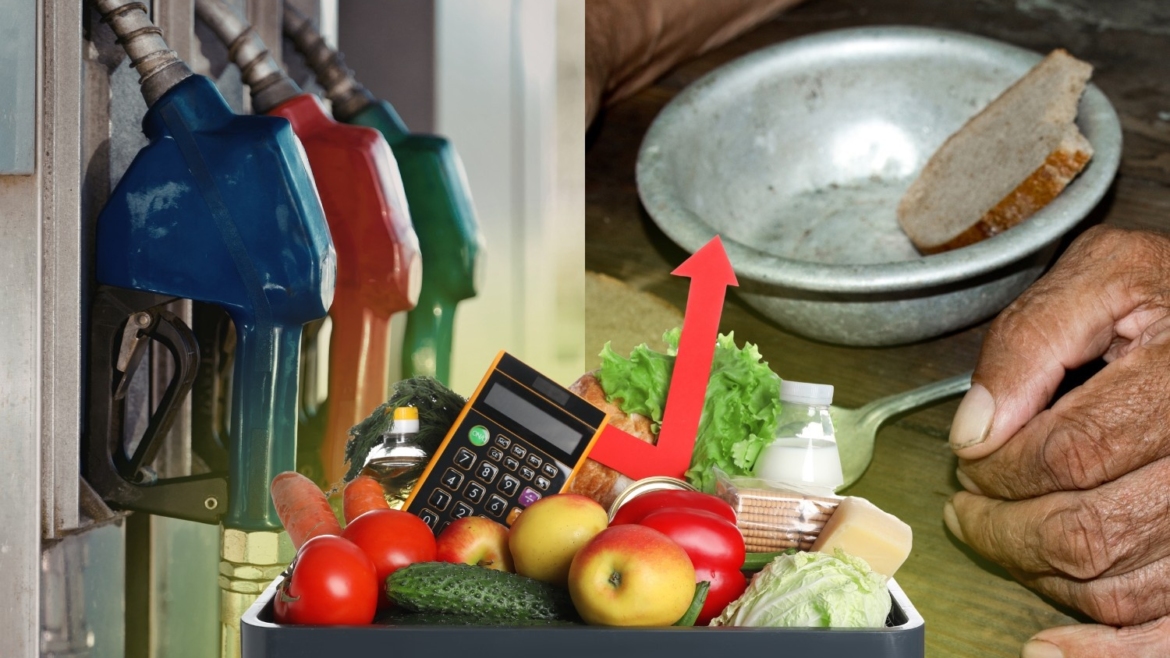
Higher oil prices are pushing food costs up—and families to the edge
John Lloyd Aleta
April 20, 2026
Tags: AsiaCabinet Office of Japancivil defensedisaster suppliesemergency kitemergency planemergency preparednessEuropeEuropean CommissionFederal Office of Civil Protection and Disaster AssistanceFinlandGermanyJapanNational Coordinator for Counterterrorism and SecurityNetherlandsNorwayNorwegian Directorate for Civil Protectionself-sufficiencySwedenUnited Kingdom