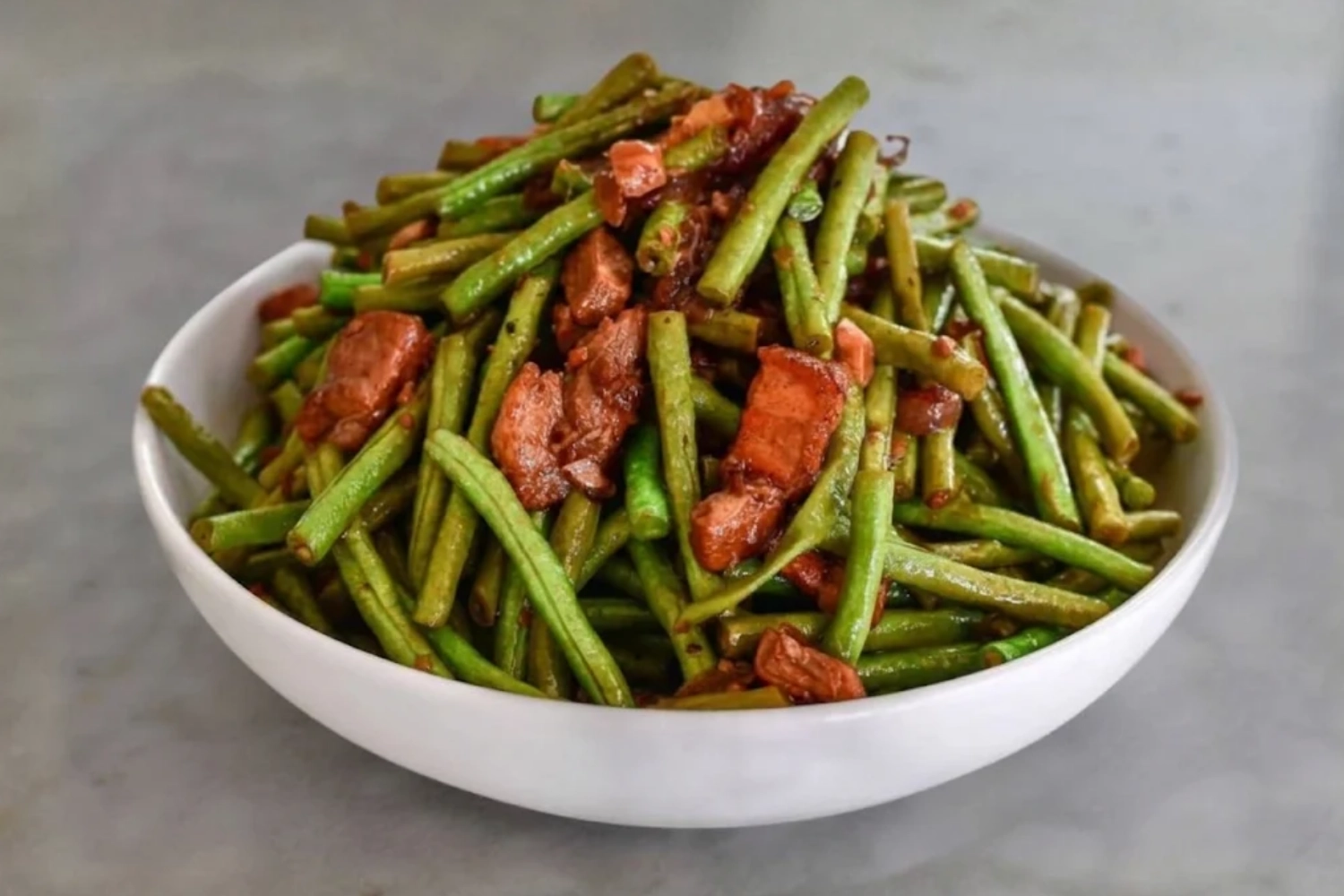
Whether it’s floating in your sinigang, smothered in kare-kare sauce, or sautéed with garlic and soy sauce, sitaw is one of the most familiar vegetables on the Filipino dining table.
But this humble vegetable offers more than just flavor and texture. Packed with vitamins, minerals, and dietary fiber, sitaw can be an affordable addition to a healthy daily diet.
Also known as the yardlong bean, sitaw belongs to the cowpea family, whose ancestral roots trace back to Africa. Its familiar elongated form developed through centuries of cultivation in Asia.
Here are five reasons why you should eat more sitaw.
1. It helps strengthen your immune system
Sitaw contains vitamin C, an essential nutrient that supports normal immune function and helps protect cells against oxidative damage.
Vitamin C also plays an important role in collagen production, which helps maintain healthy skin, blood vessels, and connective tissues.
Eating sitaw alongside other vegetables and fruits can contribute to your daily vitamin C needs.
2. It supports better digestion
If you frequently experience constipation, adding more fiber-rich vegetables like sitaw to your meals may help.
Dietary fiber supports regular bowel movements and contributes to digestive health.
Fiber also helps you feel full longer, making sitaw a useful addition to meals for people managing their weight.
Its fiber content can also help moderate the absorption of carbohydrates, supporting healthier blood sugar control as part of a balanced diet.
3. It is good for your heart
Sitaw is naturally low in saturated fat and contains no cholesterol.
It also provides potassium, a mineral involved in maintaining normal blood pressure and supporting proper muscle and nerve function.
Replacing some heavily processed or salty foods with vegetables like sitaw can contribute to a heart-healthier eating pattern.
However, preparation matters. Cooking sitaw with excessive salt, fatty sauces, or processed meats can reduce those nutritional advantages.
4. It provides folate, especially important during pregnancy
Sitaw contains folate, also known as vitamin B9, which the body needs to produce DNA and support healthy cell division.
Folate is particularly important before and during early pregnancy because adequate intake helps reduce the risk of neural tube defects in developing babies.
While sitaw can contribute to folate intake, it does not replace the folic acid supplementation recommended for people planning pregnancy or who are pregnant.
5. It helps support healthy blood production
Sitaw contains iron, an essential mineral needed to produce hemoglobin, the protein responsible for carrying oxygen in the blood.
Although plant-based iron is generally absorbed less efficiently than iron from animal sources, it still contributes to daily nutritional needs.
Pairing sitaw with vitamin C-rich foods such as tomatoes or calamansi can help improve the absorption of non-heme iron.
Affordable, accessible, and very Filipino
One of sitaw’s greatest advantages is its versatility.
It can be steamed, stir-fried, added to soups, or cooked with other vegetables in pinakbet and ginisang gulay.
It is also widely available in Philippine markets and can be grown in home gardens.
Of course, sitaw is not a miracle vegetable. No single food can prevent disease or provide every nutrient the body needs.
But including it regularly in a varied diet is a practical way to increase vegetable consumption without spending a fortune.
Sometimes, healthier eating doesn’t require expensive imported superfoods.
It starts with the vegetables already growing in our own backyards.