You have ₱12,000 to spend, and instead of buying something worth that amount, you purchase a single ₱3,000 banknote. Sounds like a terrible financial decision? Not necessarily, especially if you are a currency collector.
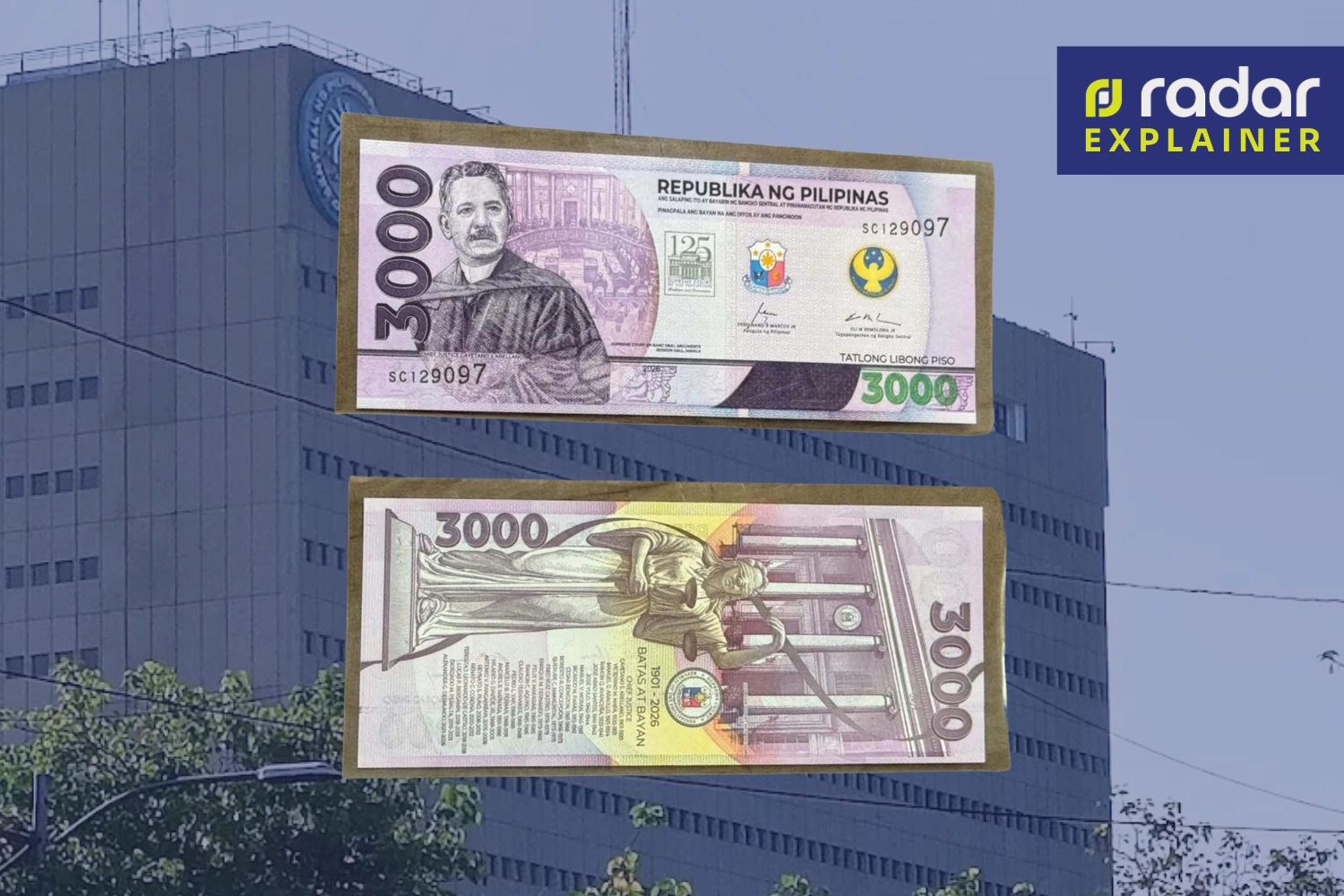
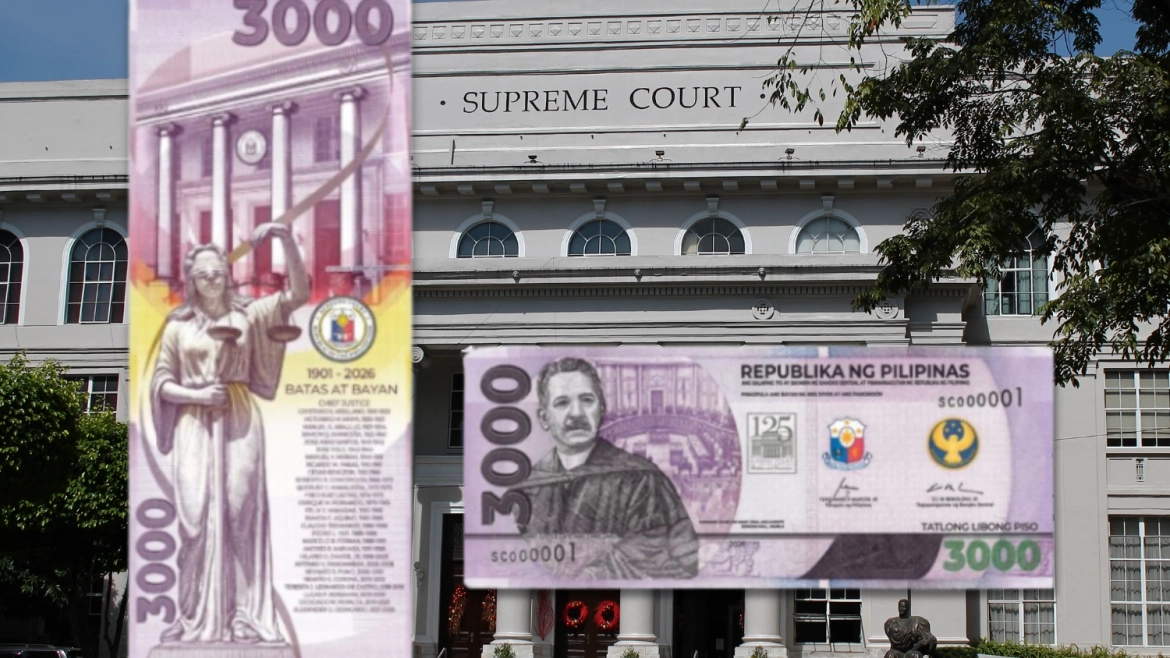
The Bangko Sentral ng Pilipinas (BSP) has released a ₱3,000 commemorative banknote celebrating the 125th anniversary of the Supreme Court of the Philippines. Its original selling price at the official BSP Store was ₱3,600, but online discussions have highlighted reseller asking prices reaching ₱12,000.
That represents a staggering 300% premium over the banknote’s actual monetary value.
But why would anyone pay four times the face value of money?
it is a collectible, not just currency
Unlike ordinary banknotes intended for everyday transactions, commemorative currency is produced to celebrate historical milestones.
The ₱3,000 note honors the Supreme Court’s 125th anniversary and features the country’s first vertical banknote design.
Its historical significance, distinctive appearance, and limited availability make it attractive to numismatists, or collectors of currency.
Why the BSP charged ₱3,600
The BSP Store listed the commemorative banknote at ₱3,600, or ₱600 above its face value.
Such premiums are common for collectible currency, reflecting specialized production, presentation, and distribution.
The BSP also limited purchases to one banknote per customer, restricting the quantity available to individual buyers.
Why resellers ask ₱12,000
Once commemorative banknotes become difficult to obtain, collectors may be willing to pay substantially more.
Scarcity, condition, original packaging, and desirable serial numbers can influence resale prices.
However, a ₱12,000 listing does not necessarily mean collectors are actually purchasing the banknote at that price.
Resale value ultimately depends on demand and what buyers are willing to pay.
Can you actually spend it?
The banknote’s ₱3,000 denomination is separate from its collectible market price. Spending it at face value would mean giving up whatever premium a collector might otherwise pay.
For collectors, the appeal lies in owning a piece of Philippine judicial history.
For ordinary consumers, however, paying ₱12,000 for something with a face value of ₱3,000 may seem absurd.
The distinction is simple: You are not paying ₱12,000 for ₱3,000 worth of spending power. You are paying for rarity, history, and the possibility of future collectible value.
And unlike money in the bank, that premium is never guaranteed.