Abu-os, the rare ant eggs known as the caviar of Ilocos
Would you eat ant eggs if they were served as a delicacy costing more than ordinary meat?
In Ilocos, the answer is a resounding yes.
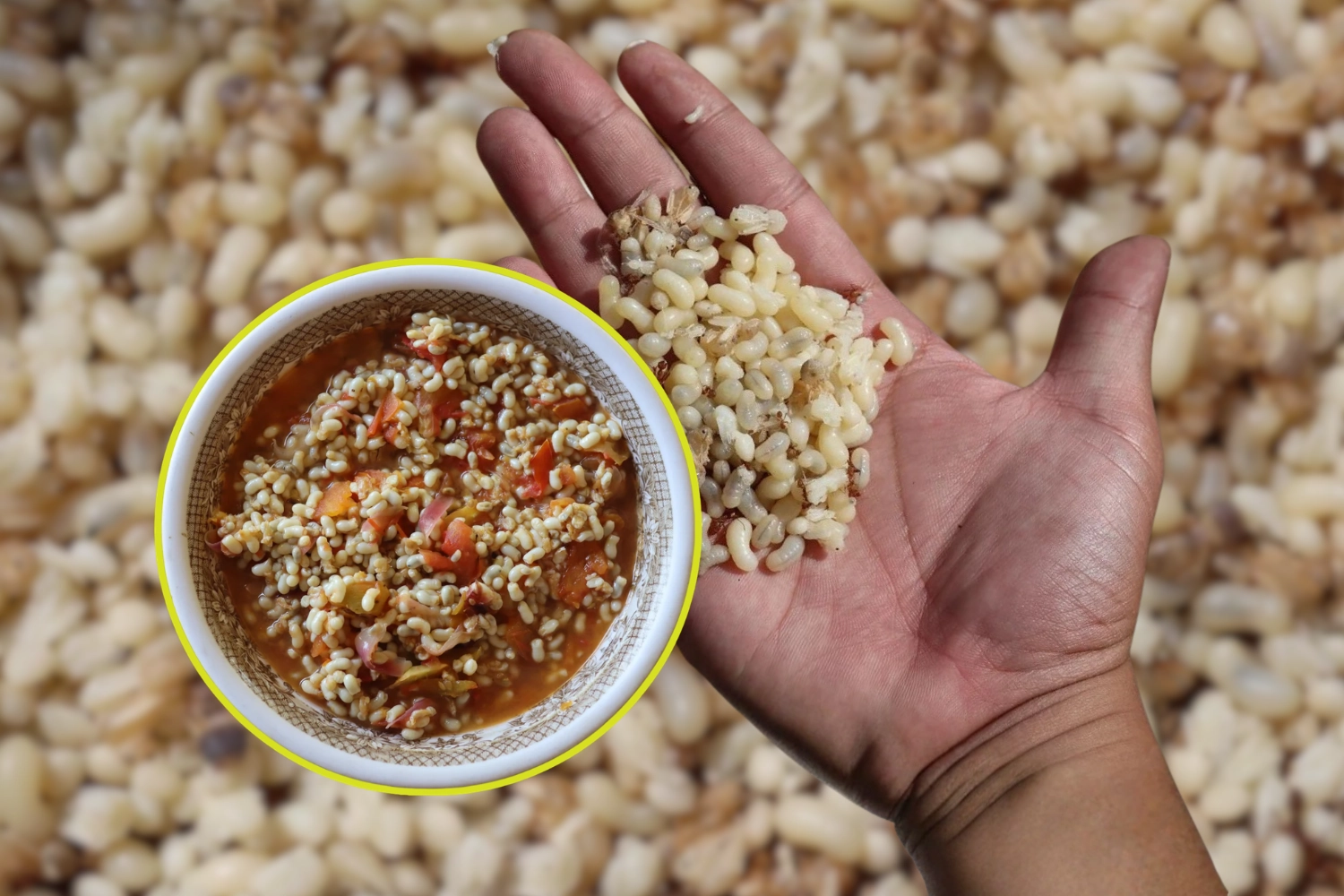
Known as abu-os, itlog ti abu-os, or itlog ti buos, this unusual delicacy consists of the eggs, larvae, and pupae of the Asian weaver ant (Oecophylla smaragdina), locally known as hantik.
Often called the “caviar of Ilocos,” abu-os is prized for its creamy texture, buttery richness, and slightly tangy flavor. The tiny white morsels resemble grains of rice and release a delicate, savory taste when bitten.
For many Ilocanos, abu-os is more than an exotic dish. It is a treasured part of their culinary heritage.
A delicacy rooted in Ilocano tradition
Eating abu-os is a longstanding foraging tradition in Northern Luzon, particularly in Ilocos Norte, Ilocos Sur, Abra, and neighboring provinces.
Rural communities have historically gathered edible plants, insects, and other seasonal food sources from their natural surroundings.
Abu-os became especially valued because it could only be collected during certain months of the year.
The harvesting season generally falls during the hot, dry months of March and April, although availability varies depending on weather and local conditions.
Unlike commercially produced chicken eggs or fish roe, abu-os sold in traditional markets is typically gathered from wild ant colonies.
Its limited supply contributes to its reputation as a premium regional delicacy.
Harvesting comes with a painful price
Collecting abu-os is no ordinary agricultural activity.
Asian weaver ants construct nests by pulling together living leaves high in trees, particularly mango and other tropical species.
Harvesters use long bamboo poles or climb trees to reach the nests, carefully extracting the precious white brood while avoiding swarms of aggressive ants.
The ants defend their colonies with painful bites, making harvesting a difficult and sometimes dangerous undertaking.
Experienced gatherers may leave some nests intact to preserve the colonies.
This is particularly important because weaver ants also serve as natural predators of agricultural pests, making them valuable to mango farmers.
The combination of difficult harvesting, limited availability, and strong local demand helps explain why abu-os can command relatively high prices in markets.
How Ilocanos cook abu-os
Despite its unusual origin, abu-os is surprisingly versatile in the kitchen.
The most familiar preparation is ginisang abu-os, in which the cleaned ant brood is gently sautéed with garlic, onions, and tomatoes. The resulting dish is creamy, savory, and traditionally enjoyed with steaming white rice.
Another preparation is tortang abu-os, which combines the ant brood with beaten eggs, onions, and seasonings to create a rich omelet.
Some cooks prepare kilawin na abu-os, mixing the delicacy with vinegar, ginger, onions, and chili. However, consuming uncooked wild-harvested insects carries food safety risks, making thorough cooking the safer choice.
Abu-os can also be incorporated into vegetable dishes and light broths, where its delicate texture adds richness without overpowering other ingredients.
Why it is called the caviar of Ilocos
The comparison with caviar comes from abu-os’ scarcity, delicate texture, and reputation as a prized seasonal food.
Like fish roe, the tiny morsels are valued for their rich flavor and soft, almost bursting sensation in the mouth.
But unlike imported caviar, abu-os represents a distinctly Filipino food tradition shaped by local ecology, indigenous knowledge, and generations of rural food gathering.
It also challenges conventional ideas about edible insects, which are increasingly being studied as alternative sources of protein and other nutrients.
For Ilocanos, however, abu-os does not need a modern food trend to justify its place on the dining table.
It has already earned that distinction through tradition.
And when the brief harvesting season arrives, this humble ant brood becomes one of Northern Luzon’s most sought-after delicacies.
READ:
Pili is one of the PH’s most underrated superfoods
Top Dagohoy
September 18, 2026
Why tamilok, the shell-less mollusk in Palawan and Kalibo, is the ultimate food dare
Rei Marquez
March 14, 2026
Beyond the squirm—chichaworms, Tarlac’s fast-rising delicacy, are actually superfoods
radar Lifestyle
February 22, 2026