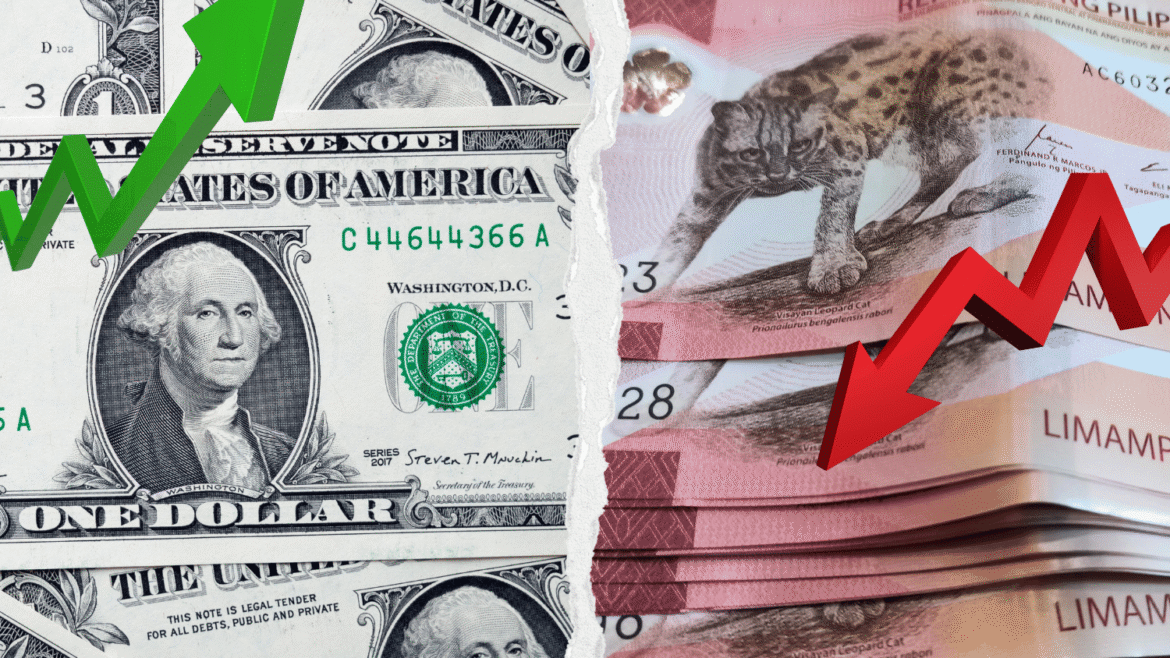
Money earned by Filipinos overseas continues to fuel spending at home, supporting families and businesses while providing the Philippine economy with a steady source of foreign currency.
Cash remittances coursed through banks reached US $3.20 billion in September, up 2.6% from US $3.12 billion a year earlier. The increase marked the fastest year-on-year growth in eight months and brought remittances to their highest level in two months, according to the Bangko Sentral ng Pilipinas (BSP).
The inflows bring more than additional money to households, as families receiving transfers can use them to buy groceries, pay rent and utility bills, cover school expenses, or finance home improvements, channeling spending toward local businesses and service providers.
The economic impact can extend beyond individual recipients, with the BSP estimating that personal remittances contributed 8.4% of the national gross domestic product (GDP) in the third quarter of 2026.
Retailers, supermarkets, restaurants, transport operators, and other businesses catering to household demand can benefit when families have more money to spend, while manufacturers and agricultural producers may also gain from increased demand for their products.
However, the benefits are not evenly distributed, since households without relatives working overseas do not receive the same direct boost to their income, even as they may benefit indirectly from economic activity supported by remittance spending.
The inflows also matter to the foreign exchange market because money sent from abroad adds to the supply of foreign currency, helping support the country’s external position and potentially easing pressure on the peso.
September’s remittance growth was measured in US dollars, so peso depreciation against the greenback does not by itself explain the increase. The United States accounted for 39.8% of September’s cash remittances, followed by Singapore at 7.1% and Saudi Arabia at 6.4%.
Still, strong remittance inflows do not guarantee a stronger peso, as the currency is also affected by the country’s import bill, trade balance, foreign investments, and movements in global financial markets.
The BSP projected a US$9.2-billion balance of payments deficit for 2026, saying remittances and services receipts would help support the country’s external position but would not be enough to offset the trade-driven shortfall.
The figures highlight how overseas earnings help sustain Philippine consumption and provide foreign currency, even as the economy remains exposed to pressures that remittances alone cannot resolve.