Livestreaming job interviews may violate international data privacy and wiretapping laws, as well as company policies.
A Filipino virtual assistant’s decision to livestream a job interview on TikTok has highlighted the legal and professional risks of sharing workplace interactions online, particularly when private conversations involve clients, job candidates and other third parties.
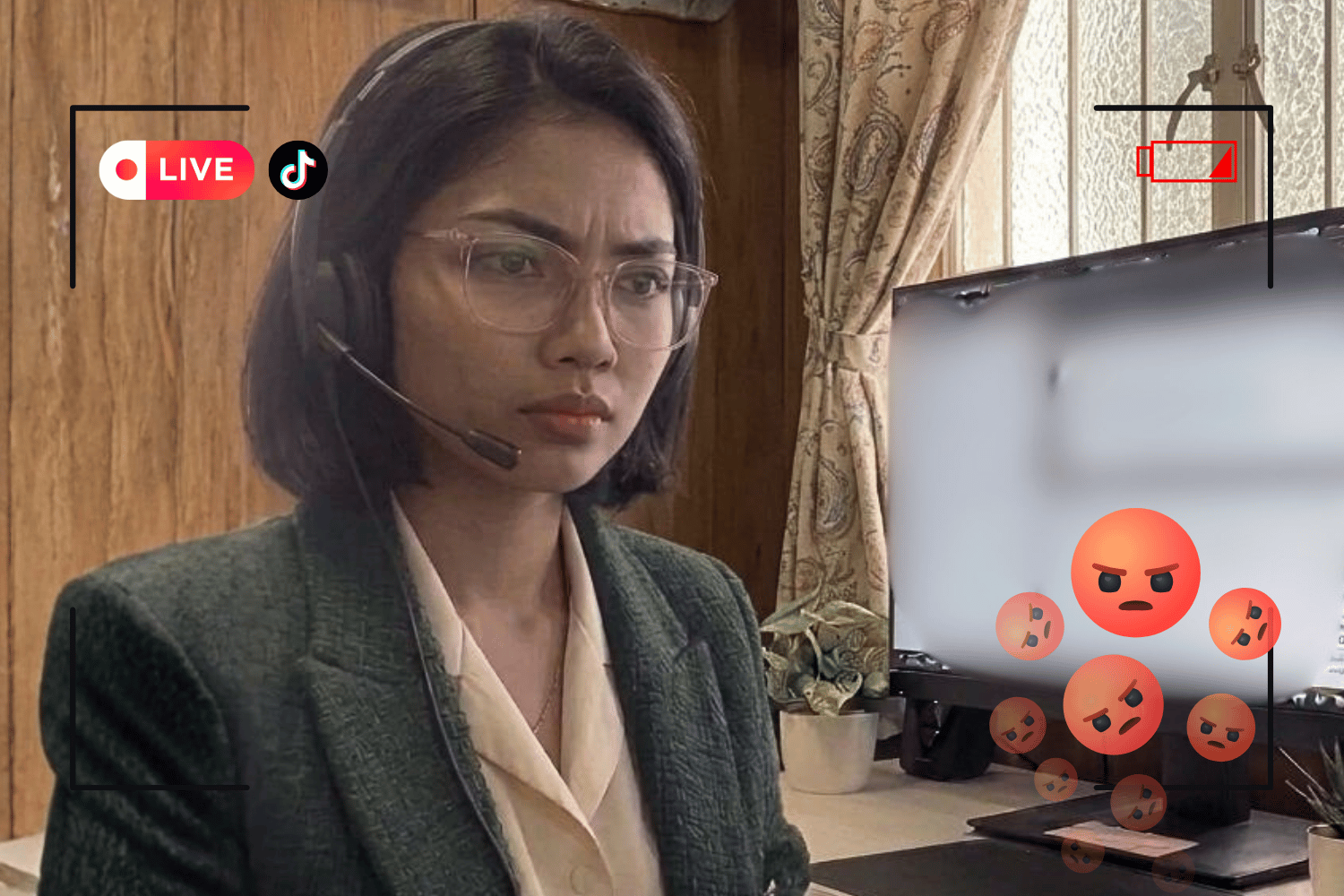
The content creator aired a livestream in the early hours of August 11, where she was supposedly interviewing a job candidate. The computer screen and interviewee were not visible or audible in the livestream, but viewers were able to infer that the creator had an ongoing interview.
The creator has since made her social media accounts private following backlash from the TikTok Live video. However, other Filipino creators in the VA profession have also relied on content that shares the day-to-day aspects of their careers without realizing that they may be held legally liable.
Livestreaming candidate interviews may violate local data privacy and wiretapping laws.
The Data Privacy Act (Republic Act No. 10173) prohibits the sharing of one’s personal data with third parties without prior express and recorded consent. While the candidate may not have been audible or visible in the livestream, the creator and others like her may have unwittingly shared a candidate’s information with a live audience.
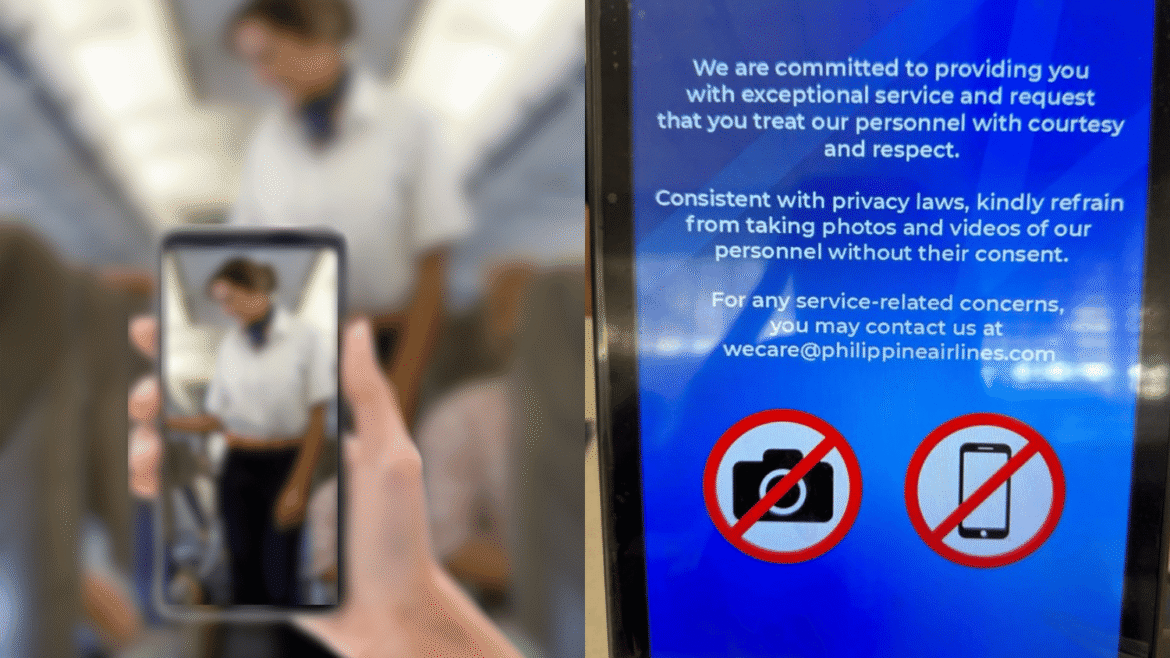
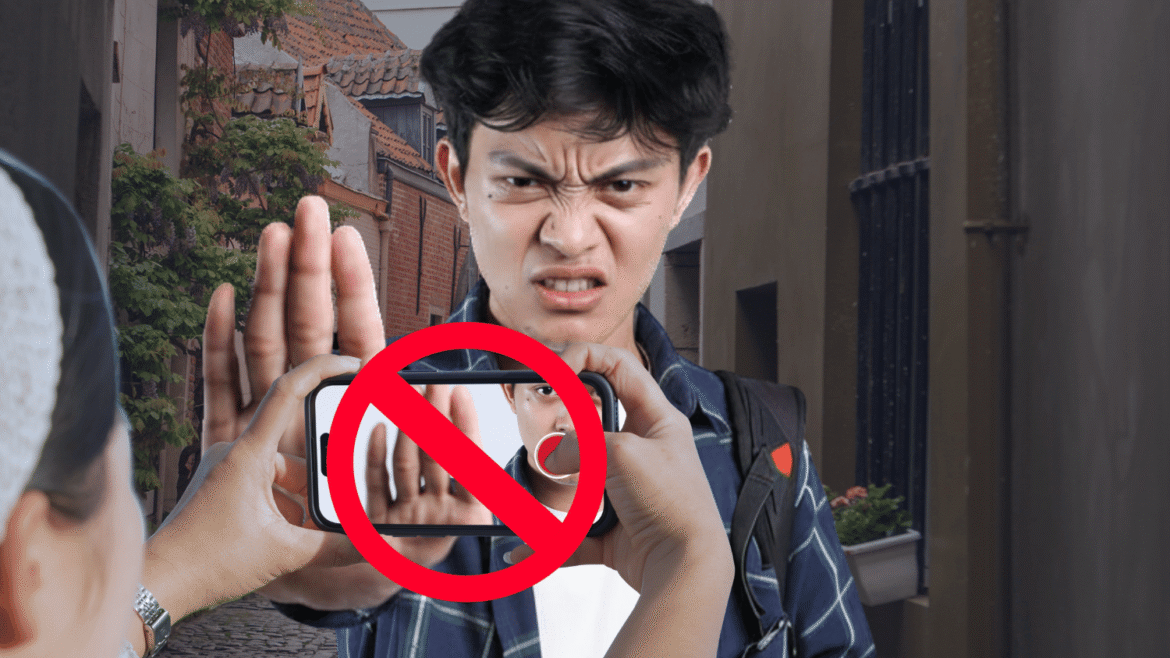
Livestreaming interviews or conversations may also violate the Anti-Wiretapping Law (Republic Act No. 4200). The law penalizes the recording of conversations without the authorization of all parties involved. This includes the presence of a third party who records the communication without everybody’s consent. While social media and livestreaming are not expressly covered under the law, the act of recording may still hold the creator liable.
Because virtual assistants often work with international clients, their respective countries’ laws may also prescribe penalties for recording and broadcasting professional conversations without prior consent.
Netizens criticized the creator, echoing the line “just because they could, doesn’t mean they should.” Some pointed out that educational content about the VA industry could still be uploaded without compromising others’ information, highlighting the need for discretion in content creation and the importance of strict enforcement of data privacy.
READ: