Flood control and fisheries gains weighed against community risks.
A long-delayed infrastructure project could give Laguna de Bay a bigger role in managing floods while supporting fisheries and freshwater supply for nearby communities.
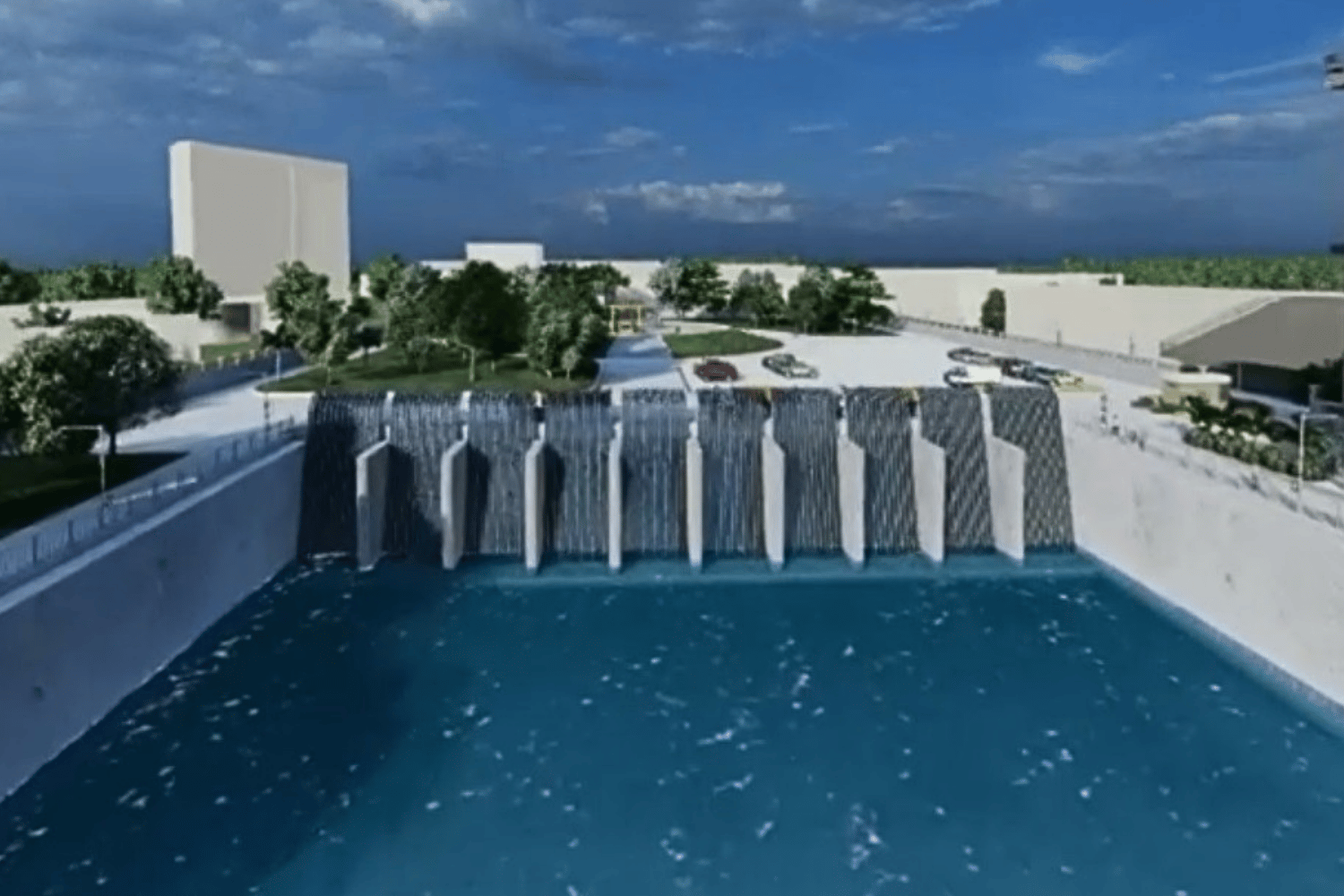
The Department of Agriculture (DA) and the Laguna Lake Development Authority (LLDA) are reviving the ₱90-billion Parañaque Spillway Project, which would connect the lake to Manila Bay and provide additional capacity for managing water levels as the government looks to expand the lake’s role beyond flood control.
First proposed in the 1970s, the project involves a 10.5-kilometer underground spillway linking Laguna de Bay to Manila Bay, with construction expected to take at least a decade once it begins.
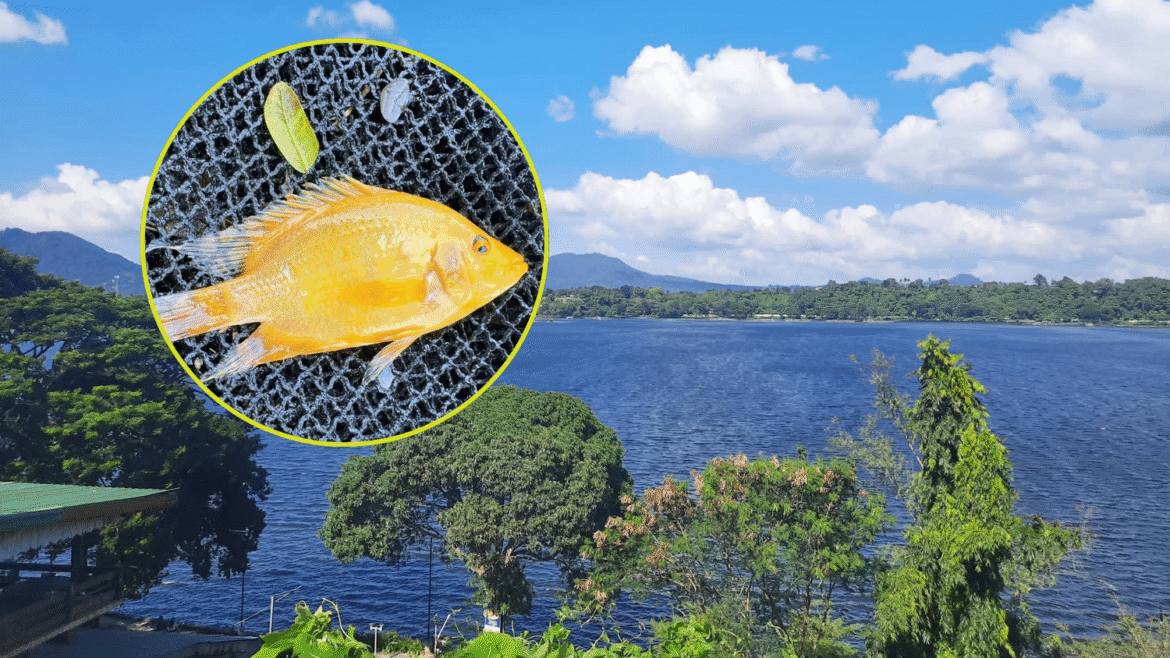
The DA said the spillway could improve water circulation in Laguna de Bay, which is also a major source of bangus, helping restore the lake’s ecological health and potentially increase fish production and fisherfolk incomes.
The lake is also used as a raw water source by Maynilad Water Services for customers in Metro Manila and Cavite, particularly in Muntinlupa and Bacoor.
The project is being pushed alongside the planned Manggahan Control Gate Structure, a Japanese-funded project that could divert up to 2,400 cubic meters of floodwater per second from the Marikina River into Laguna de Bay to protect Metro Manila from flooding.
That additional inflow, however, could put more pressure on lakeshore communities by raising lake water levels, making the spillway’s capacity and timing important as both projects move forward.
The project also faces concerns in Muntinlupa, where the tunnel would draw water from the lake, and Bacoor, where it would discharge into Manila Bay, including possible displacement and the risk of shifting floodwaters from one community to another.
The government said it will have to resolve those risks while ensuring that the lake can absorb additional water without worsening flooding, protecting communities affected by construction, and maintaining water quality.
READ: