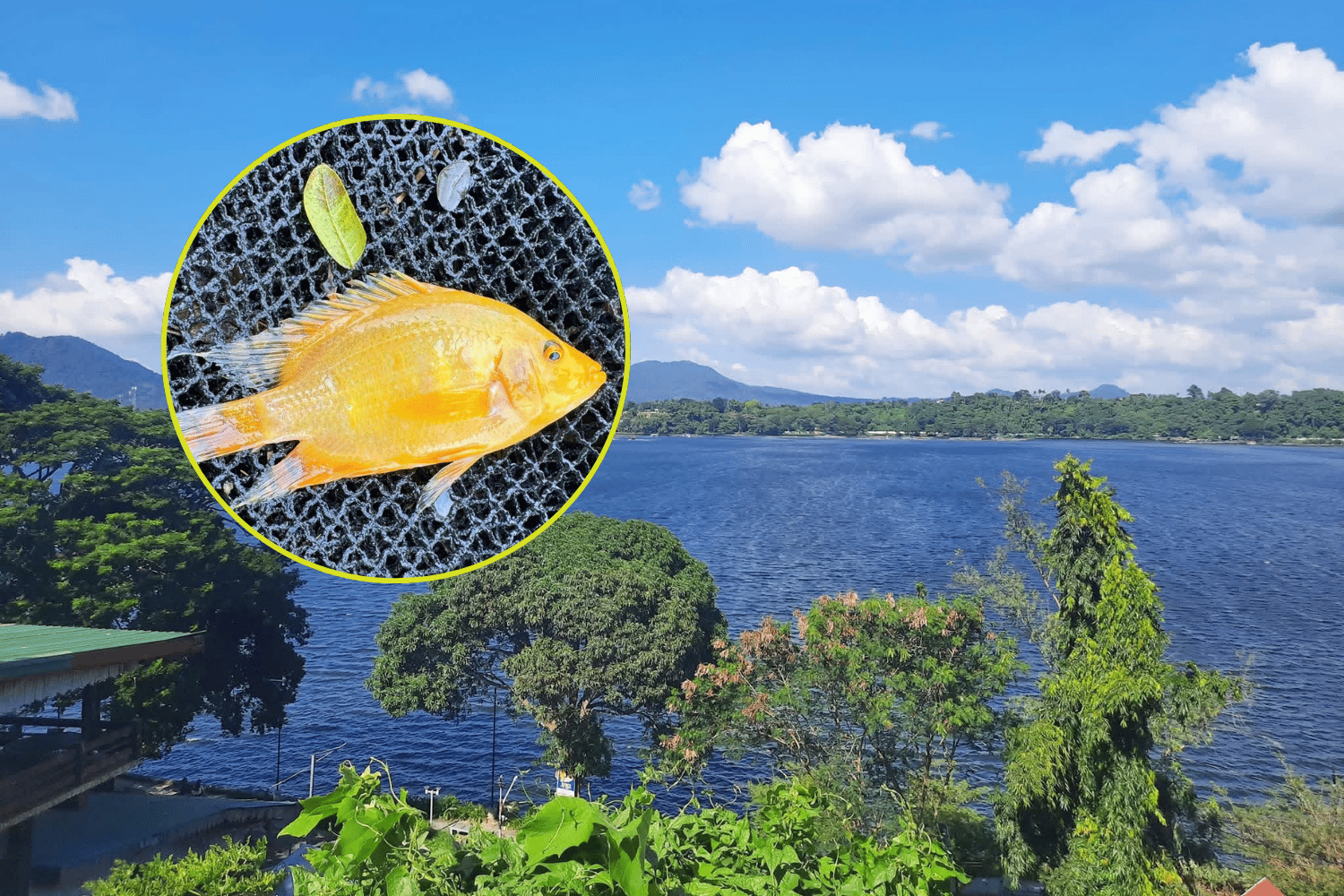
Study finds invasive Flowerhorns could also potentially carry parasites linked to human disease after becoming established in the San Pablo City lake.
A fish prized by aquarium hobbyists has become an invasive threat in Sampaloc Lake in San Pablo City, Laguna, displacing native species and potentially carrying parasites that can infect humans, according to a study by researchers from Ateneo de Manila University.
In a study by the university’s Department of Biology and Aquatic and Fisheries Resources Laboratory, researchers found that Flowerhorn cichlids (Amphilophus spp.) have become firmly established in the volcanic crater lake after reportedly escaping during a major typhoon years ago. Originally introduced through the aquarium trade, the fish are now also being caught and sold locally, a practice the researchers said could help sustain their population.
Researchers said the invasive species competes aggressively for breeding grounds and food, putting pressure on native fish such as the ayungin (Leiopotherapon plumbeus), which is now rarely encountered in the lake and is listed as Vulnerable by the International Union for Conservation of Nature (IUCN).
The study also pointed to potential public health concerns. Previous research has shown that Flowerhorn cichlids can host Paracapillaria philippinensis, a parasite linked to intestinal capillariasis, a disease that can cause abdominal pain, chronic diarrhea, and malnutrition. The researchers said the species may serve as a possible reservoir for parasites, pathogens, and contaminants, although the study did not report human infections linked to Sampaloc Lake.
To help manage the growing population, the researchers proposed harvesting invasive Flowerhorns and converting them into aquafeed, provided the fish are first screened for parasites, contaminants, and microbiological safety.
READ: