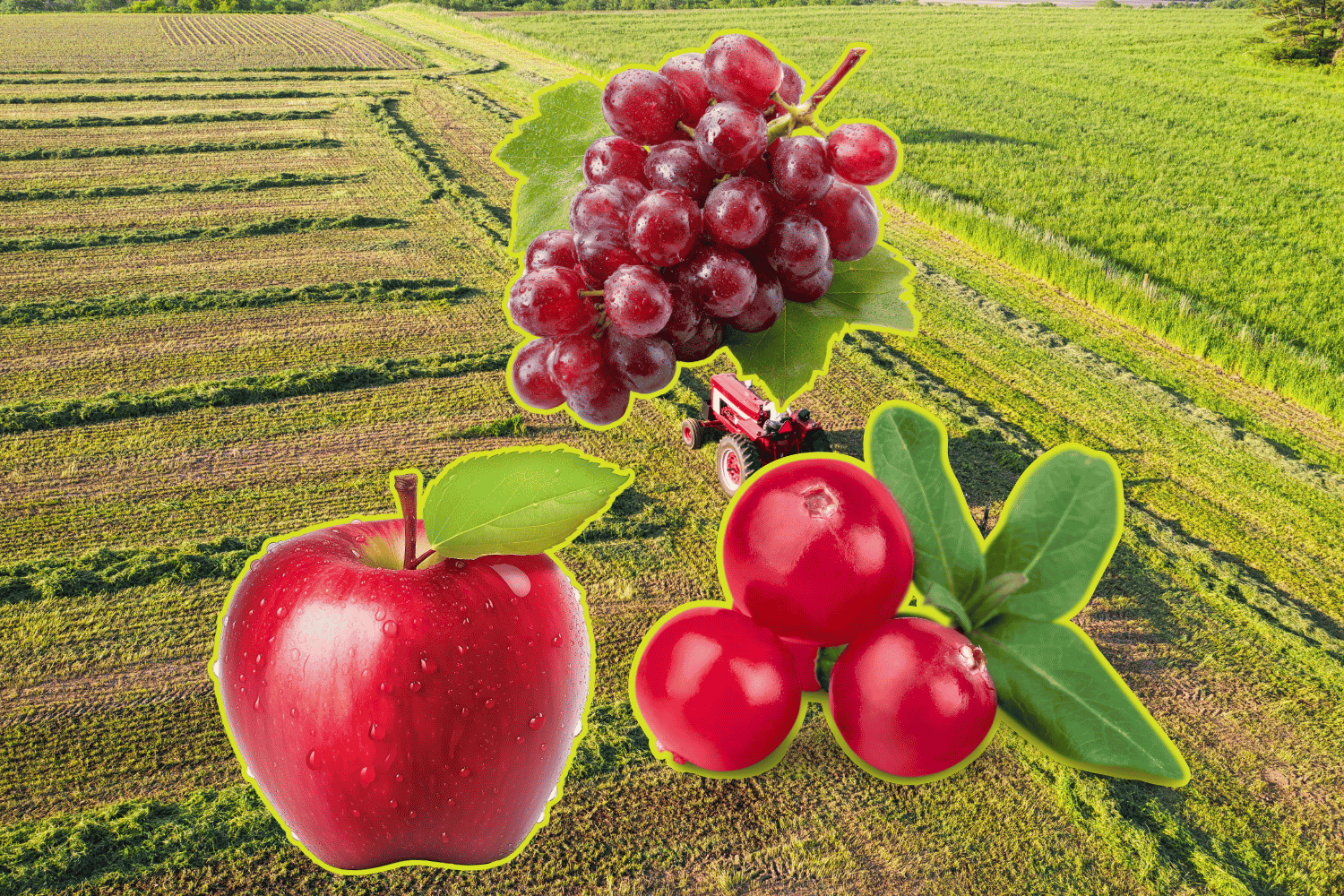
You no longer have to fly to Japan to pick grapes, visit New Zealand for apples, or rely entirely on imported berries to enjoy them fresh.
Across the Philippines, farmers are proving that fruits once considered impossible to grow in the tropics are now thriving through innovative farming techniques, careful crop selection, and the country’s unique microclimates.
It’s a quiet agricultural revolution that is changing what Filipinos can grow—and eat.
Grapes are having a tropical moment
For decades, grapes were associated with Mediterranean vineyards and cool climates. Today, they have become one of the country’s fastest-growing specialty crops.
The secret isn’t cold weather—it’s sunlight.
Grapevines require long hours of direct sunshine to produce sweet fruit, something the Philippines has in abundance. Because the country doesn’t experience freezing winters, farmers have also developed strategic pruning techniques that allow vines to produce up to three harvests a year instead of the single annual harvest common in temperate countries.
Bauang, La Union remains the country’s grape capital, while commercial vineyards have also expanded in General Santos City and Cebu. Many of these farms have become agritourism destinations where visitors can harvest grapes straight from the vine.
Apples that shouldn’t exist—but do
Perhaps the biggest surprise is that apples are now being harvested in parts of Mindanao and the Cordillera.
For years, experts believed apples couldn’t grow in the Philippines because traditional apple trees require hundreds of “chill hours” during winter before they flower.
Farmers eventually found a workaround.
By planting low-chill varieties in cooler highland areas and using branch-bending and pruning techniques that mimic the effects of winter dormancy, growers have successfully produced apples without snow or frost.
Experimental orchards around Mount Apo in Digos City and parts of Baguio have demonstrated that, with the right variety and proper management, apples can indeed bear fruit on Philippine soil.
Production remains limited, but what once seemed impossible is now a reality.
The Philippine “cranberry”
Not every foreign fruit growing locally is exactly what it seems.
The “Philippine cranberry” isn’t the same cranberry cultivated in the frozen peat bogs of North America.
Instead, many growers cultivate Carissa carandas, locally known as karanda. Its deep red color and intensely tart flavor make it an excellent substitute for imported cranberries in juices, jams, sauces, and preserves.
Unlike true cranberries, which require freezing conditions, karanda thrives under the Philippine sun and grows well in ordinary tropical soils.
Filipino innovation is changing agriculture
These fruits aren’t growing because the Philippines has become a temperate country.
They’re succeeding because scientists and farmers have learned how to work with local conditions instead of fighting them.
Improved crop varieties, better pruning systems, careful site selection, and decades of experimentation have allowed crops once thought exclusive to colder countries to adapt to tropical agriculture.
Many growers now combine fruit production with agritourism, giving visitors a chance to experience vineyards and orchards that would have seemed unimaginable just a generation ago.
As farming technology continues to improve, the list of crops once considered “impossible” for the Philippines keeps getting shorter.
The country may never replace the world’s biggest producers of apples, grapes, or cranberries. But the success of local vineyards, experimental apple orchards, and tropical cranberry substitutes proves that innovation can reshape the limits of Philippine agriculture.
READ: