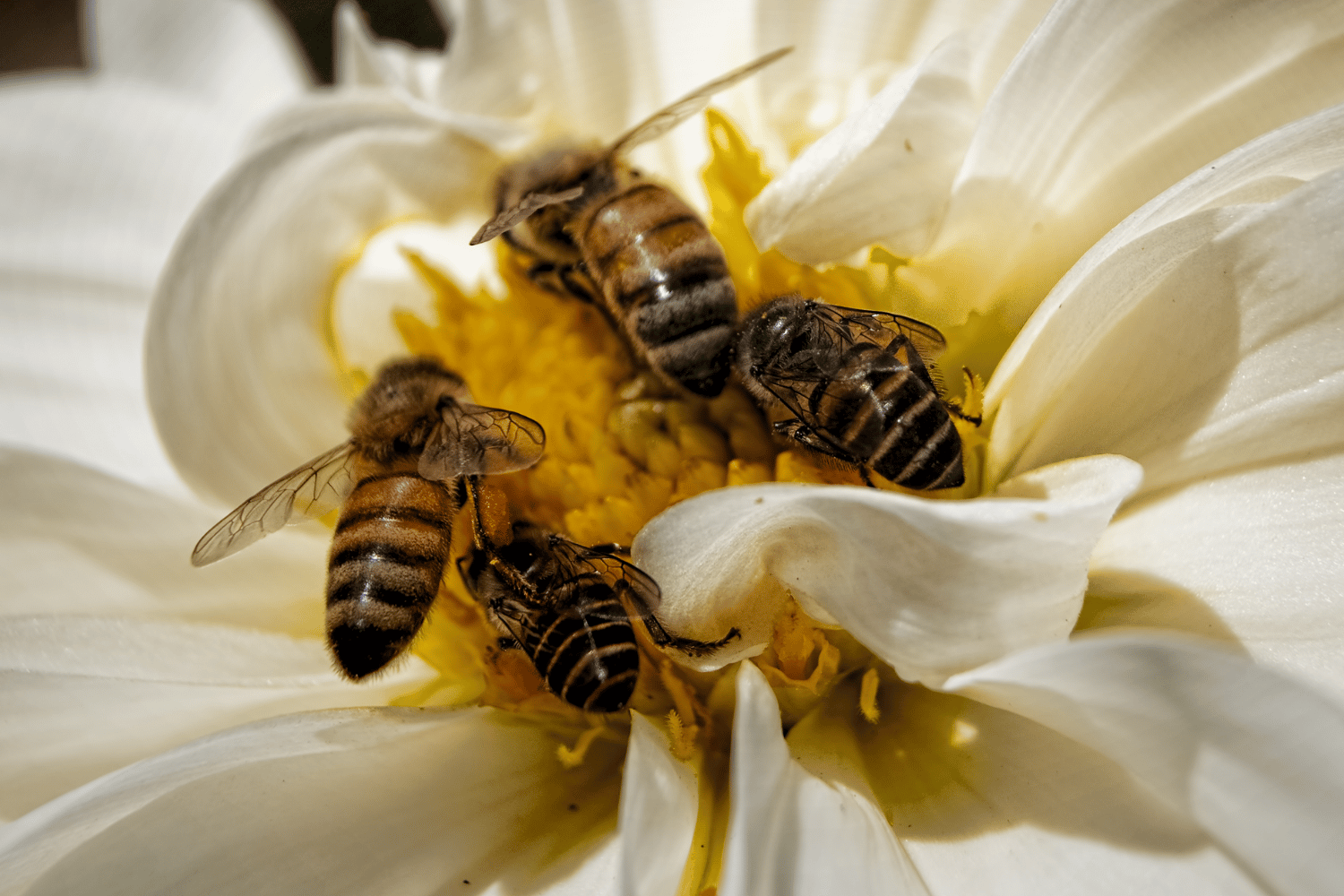
Their disappearance can threaten local crops and the future of Filipino food security.
The santan is flowering, the mango tree is in bloom, and the backyard vegetables are growing—but fewer bees seem to be visiting.
It may look like a minor change. But when bees disappear, flowers receive less pollination, crops produce fewer fruits and seeds, and the effects eventually reach farms, markets, and Filipino dining tables.
A 2026 peer-reviewed study involving communities in Aurora province found that wild colonies of native stingless bees had declined by an estimated 60 percent over the past 20 years. Among 151 surveyed households familiar with the insects, 81 percent reported a noticeable drop in colony sightings.
The findings do not represent a nationwide bee census, which the Philippines still lacks. But they offer an alarming picture of what may also be happening in other areas affected by deforestation, pesticides, destructive honey gathering, and changing weather conditions.
The tiny workers behind Filipino food
Native stingless bees—known in some communities as kiyot, kiwot, or lukot—often live inside hollow trees, bamboo posts, walls, and other small cavities.
Unlike larger honeybees, they cannot deliver a painful sting. Yet these tiny insects are important pollinators of crops such as coconut, mango, cacao, and pigeon pea, as well as many wild flowering plants.
When forests and old trees are cleared, bees lose both their food and nesting sites. Pesticides can kill them directly or disrupt their ability to feed and return to their colonies. Extreme heat and irregular rainfall can also affect flowering seasons, leaving hives without enough nectar and pollen.
A worldwide warning
The bee problem is global.
More than 20,000 bee species are known worldwide, most of them wild rather than commercially managed. The Food and Agriculture Organization says pollinators contribute to about 35 percent of global crop production and improve the yield of 87 of the world’s 115 leading food crops.
Nearly 90 percent of wild flowering plants and more than 75 percent of food crop species depend at least partly on animal pollination.
Rice and corn may survive without bees, but many fruits, vegetables, nuts, coffee, cacao, and spices depend heavily on pollinators. Their disappearance would not necessarily mean immediate starvation, but it would make nutritious food scarcer and more expensive.
A study published in Environmental Health Perspectives estimated that inadequate pollination has already reduced global production of fruits, vegetables, and nuts by 3 to 5 percent. Researchers linked these losses to approximately 427,000 premature deaths every year from illnesses including heart disease, stroke, diabetes, and cancer.
What ordinary filipinos can do
You do not need to own a farm or maintain a beehive to help.
Turn a balcony, windowsill, school garden, or small yard into a feeding area. Plant flowering species such as cosmos, sunflower, basil, mint, oregano, marigold, gumamela, and santan. Choose plants with simple, open flowers that small bees can easily enter.
Avoid spraying insecticides on flowering plants, especially during the day when bees are actively collecting nectar and pollen. Remove pests manually or use less harmful methods whenever possible.
Bees also need water during hot weather. Place a shallow dish outside and add stones or sticks that rise above the surface, allowing insects to drink without drowning. Change the water regularly to prevent mosquitoes from breeding.
Never spray or burn a nest immediately. A small colony inside a tree, bamboo post, or wall may belong to harmless stingless bees. Observe it from a safe distance and contact an experienced beekeeper, agricultural office, university extension unit, or local environment office when relocation is necessary.
Consumers can also support responsible bee farms. Buy honey from producers who maintain colonies sustainably instead of destroying wild nests. Ethical stingless-bee farming gives communities an economic reason to preserve forests, flowering plants, and nesting trees.
A single flowerpot will not reverse a global ecological crisis. But millions of Filipino homes planting flowers, reducing pesticide use, protecting nests, and supporting sustainable beekeepers can give the country’s remaining bees more places to feed and survive.
Their decline may begin with quieter gardens. Eventually, it will be felt in the price, quality, and variety of the food on every Filipino table.
READ:
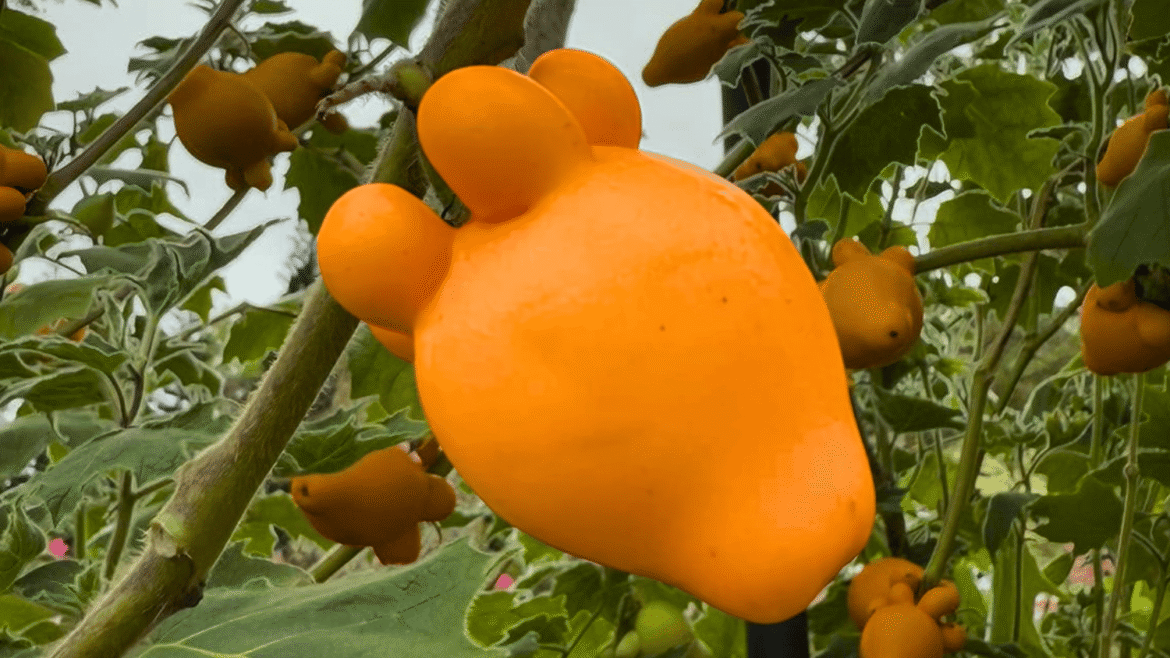
WARNING: You can admire utong, but you should never take a bite
Top Dagohoy
August 3, 2026
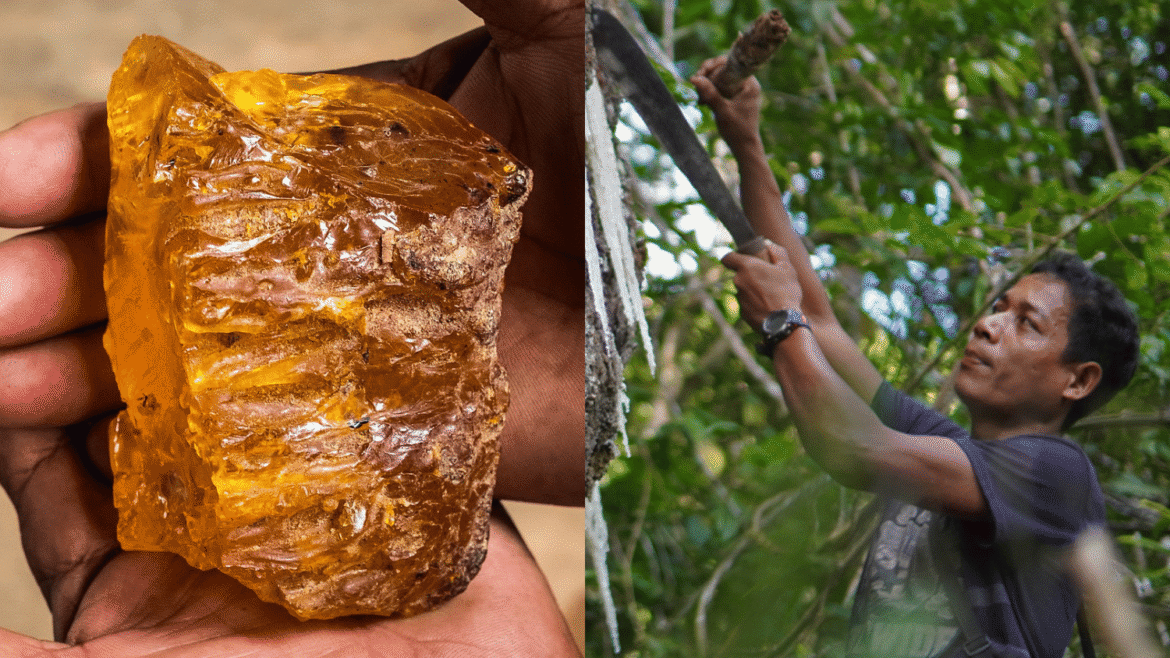
Manila Copal, a natural resin, may soon disappear forever
radar Lifestyle
June 28, 2026
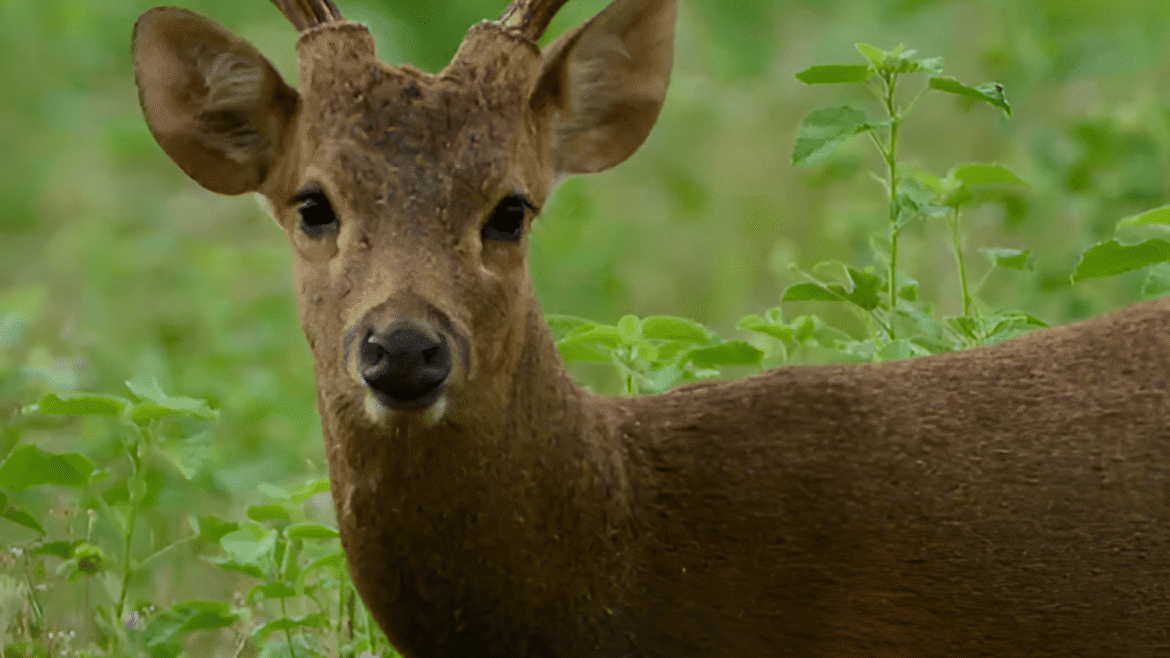
The Calamian deer, the Philippines’ rarest deer, deserves urgent protection
Top Dagohoy
August 2, 2026