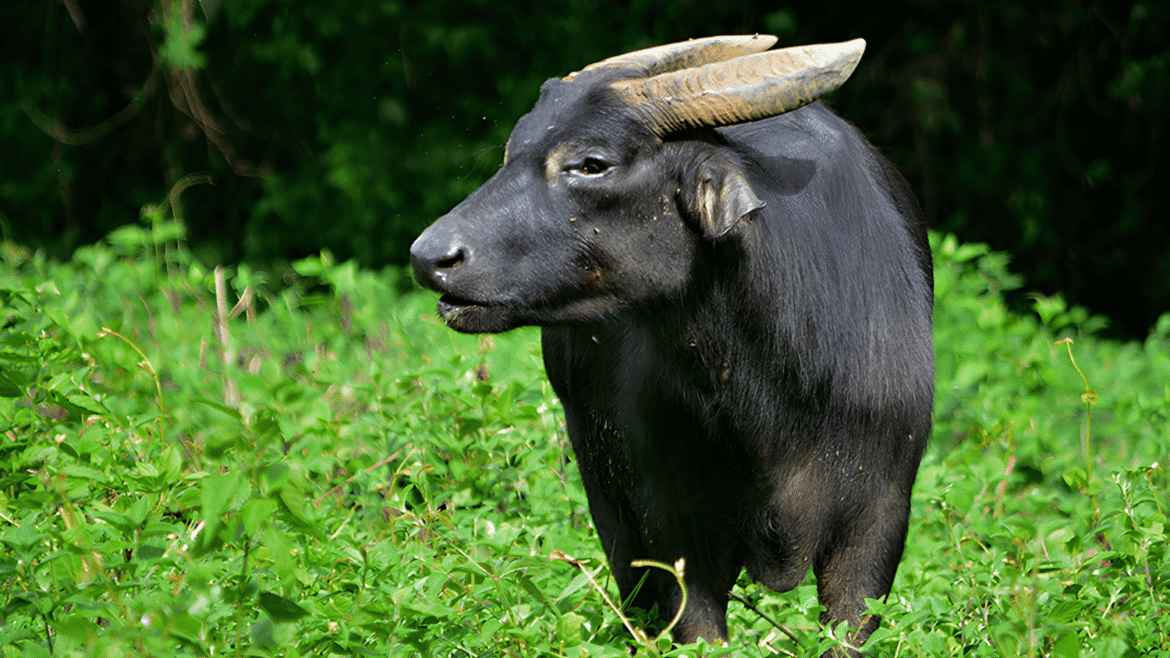
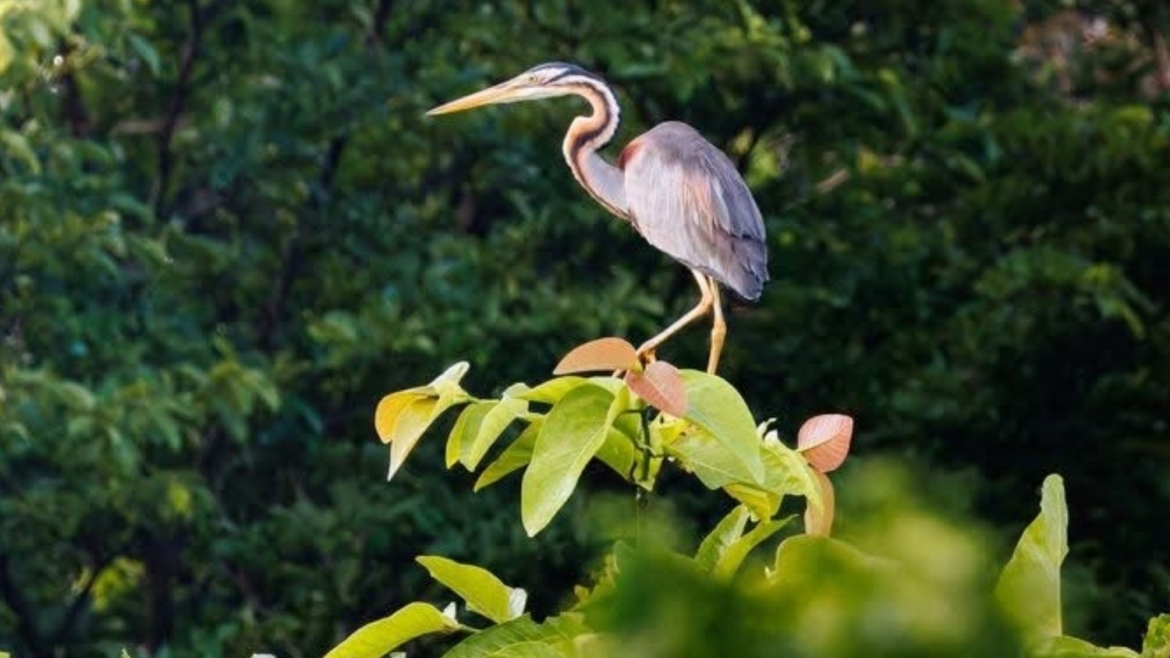
Some argued that birds may be relying more on structures such as NAP boxes for shelter due to fewer trees. Photos by @casanovacamile / Threads
A 2021 study published in Frontiers in Ecology and Evolution noted that the Philippines ranks eighth globally in the number of threatened bird species.
A bird’s nest found inside a network access point box has prompted online discussion about the shrinking habitats available to wildlife in the Philippines.
In a Threads post, a telecom field worker shared an incident in which contractors discovered a bird nesting inside the NAP box while conducting field work.
Usually gray or black, the plastic box is mounted on utility poles. It connects a neighborhood to an internet provider’s main network by splitting one large signal into separate lines for individual households.
The unusual sight prompted users to discuss whether birds are turning to man-made structures as natural nesting sites become harder to find.
Cavity-nesting birds are known to choose enclosed spaces for nests because they mimic natural tree cavities, which offer protection from predators and extreme weather.
Some users speculated that with fewer trees, birds may be relying more on structures such as NAP boxes for shelter.
“[Growing up], I’ve only seen maya birds, but as I grew older, napapansin ko na yung increase ng rare species na napapadpad sa backyard,” one user commented. “That’s an indication [that] they are losing their habitat.”
The discussion comes as Global Nature Watch’s report in April estimates that the Philippines lost around 1.6 million hectares of tree cover between 2001 and 2025—with about 62% of the loss linked to deforestation.
A 2021 study published in Frontiers in Ecology and Evolution found that 84 bird species in the Philippines face a greater risk of extinction than their current conservation classifications suggest. The study also noted that the country ranks eighth globally in the number of threatened bird species.
While a single nest inside a utility box does not prove habitat loss alone, conservationists have long warned that shrinking forests and urban green spaces leave many wildlife species with fewer natural places to nest, feed, and reproduce.
Allyson Gwyneth Capati is a journalist and a writer who writes about the things she deems interesting. Beyond holding a pen, she engages in productions and performances that showcase and shed light on current events and issues.