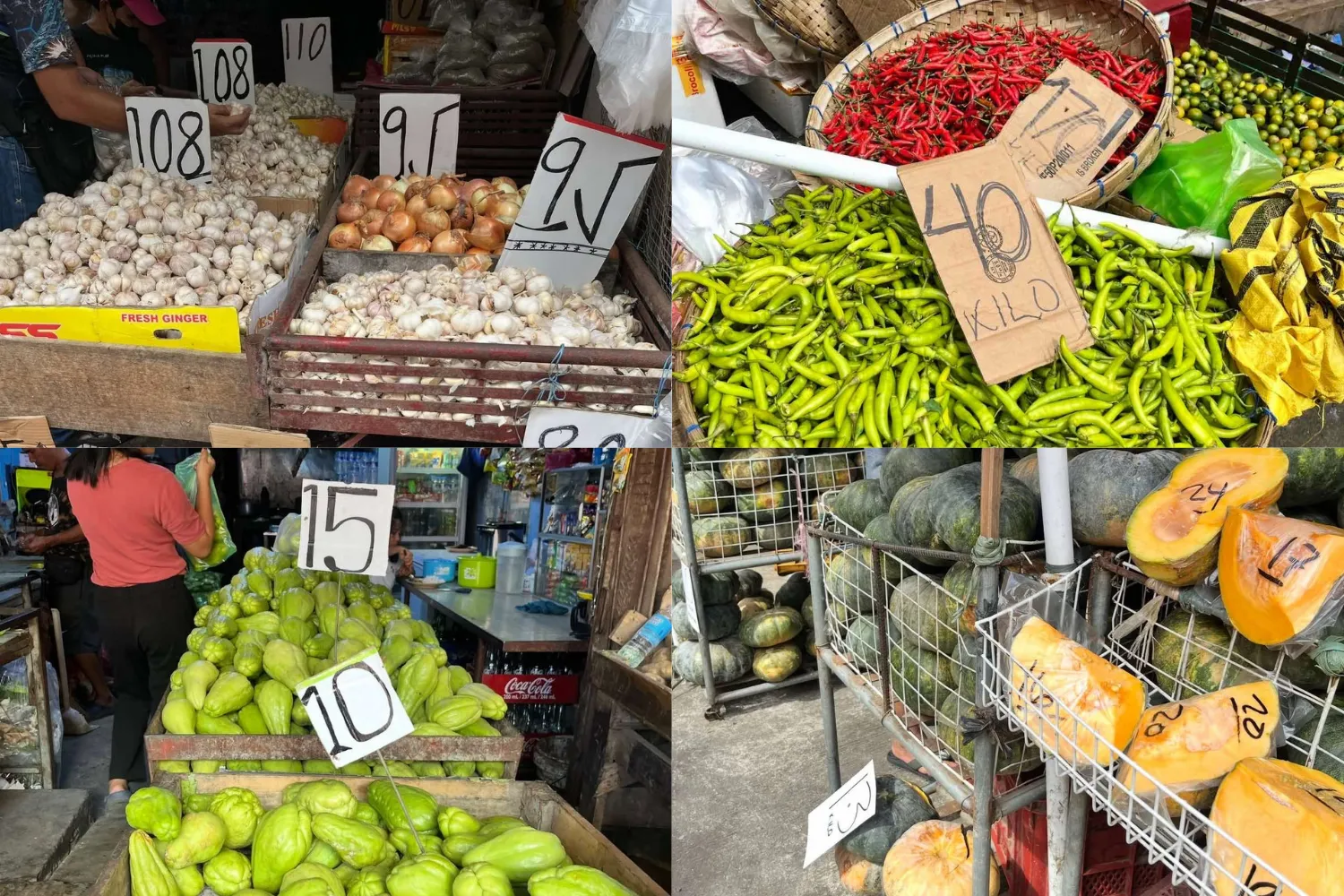
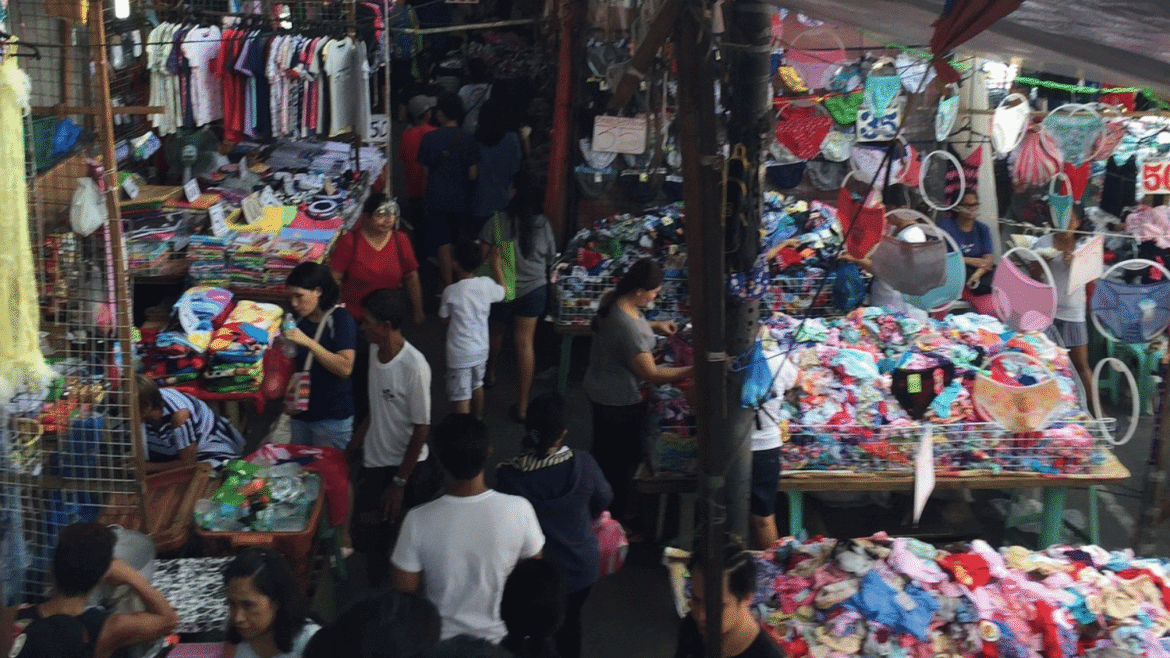
“I would stan Divisoria Market, especially in this economy,” the netizen wrote.
The post attracted more than 20,000 views, prompting other shoppers to share their experiences and money-saving tips.
Several commenters confirmed that vegetables in Divisoria can be considerably cheaper than those sold in regular retail markets.
One netizen identified the area around Bilbao Street and Zaragoza Street in Tondo as a destination for bargain hunters.
According to the commenter, highland vegetables from Baguio typically arrive from 6 p.m. onward, while lowland vegetables from Bulacan arrive between 11 a.m. and 2 p.m.
Other shoppers recommended visiting at night, when delivery trucks unload fresh produce and buyers have more options.
“Mas mura sa gabi,” one commenter wrote, adding that vegetables are often fresher and more abundant during evening deliveries.
Some netizens pointed out that similar bargains can be found in other wholesale markets, including Balintawak in Quezon City and vegetable trading areas outside Metro Manila.
However, the discussion also raised concerns about imported produce competing with locally grown vegetables.
Several commenters encouraged shoppers to support Filipino farmers, noting that low prices do not necessarily mean the produce comes from local agricultural communities.
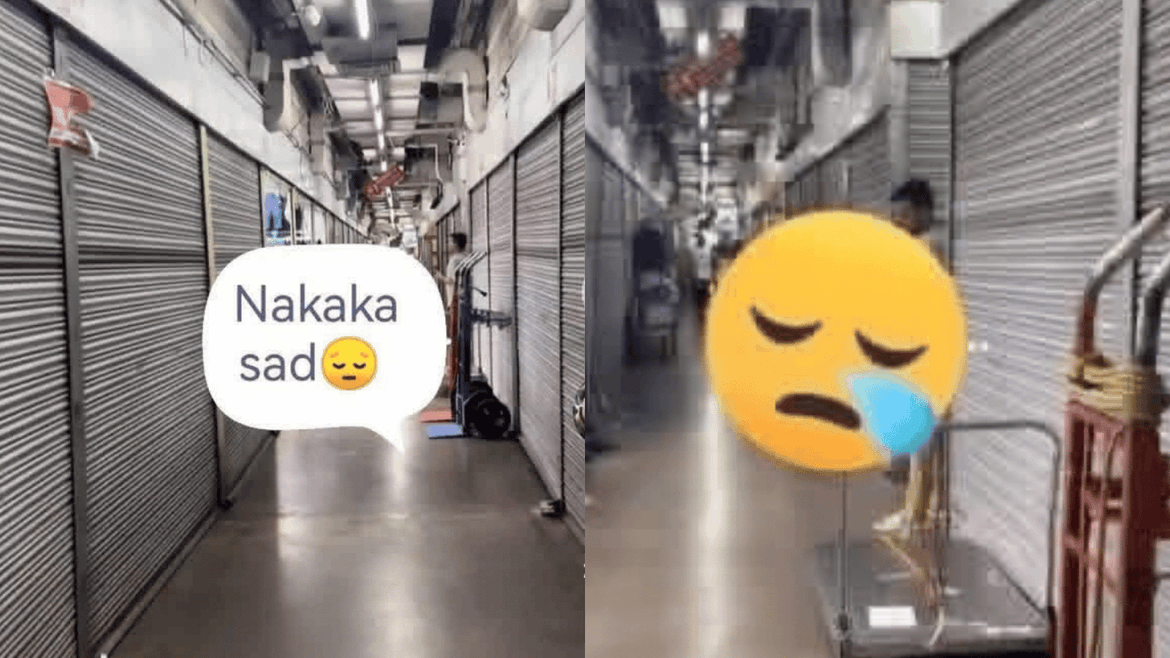
Others observed that traveling to Divisoria may not be practical for everyone, especially when transportation costs and travel time are considered.
Still, the viral post has renewed interest in traditional wholesale markets as Filipino households look for ways to stretch their grocery budgets.
The prices shown in the photographs reflect individual vendors’ offerings and may vary depending on supply, quality, and time of purchase.