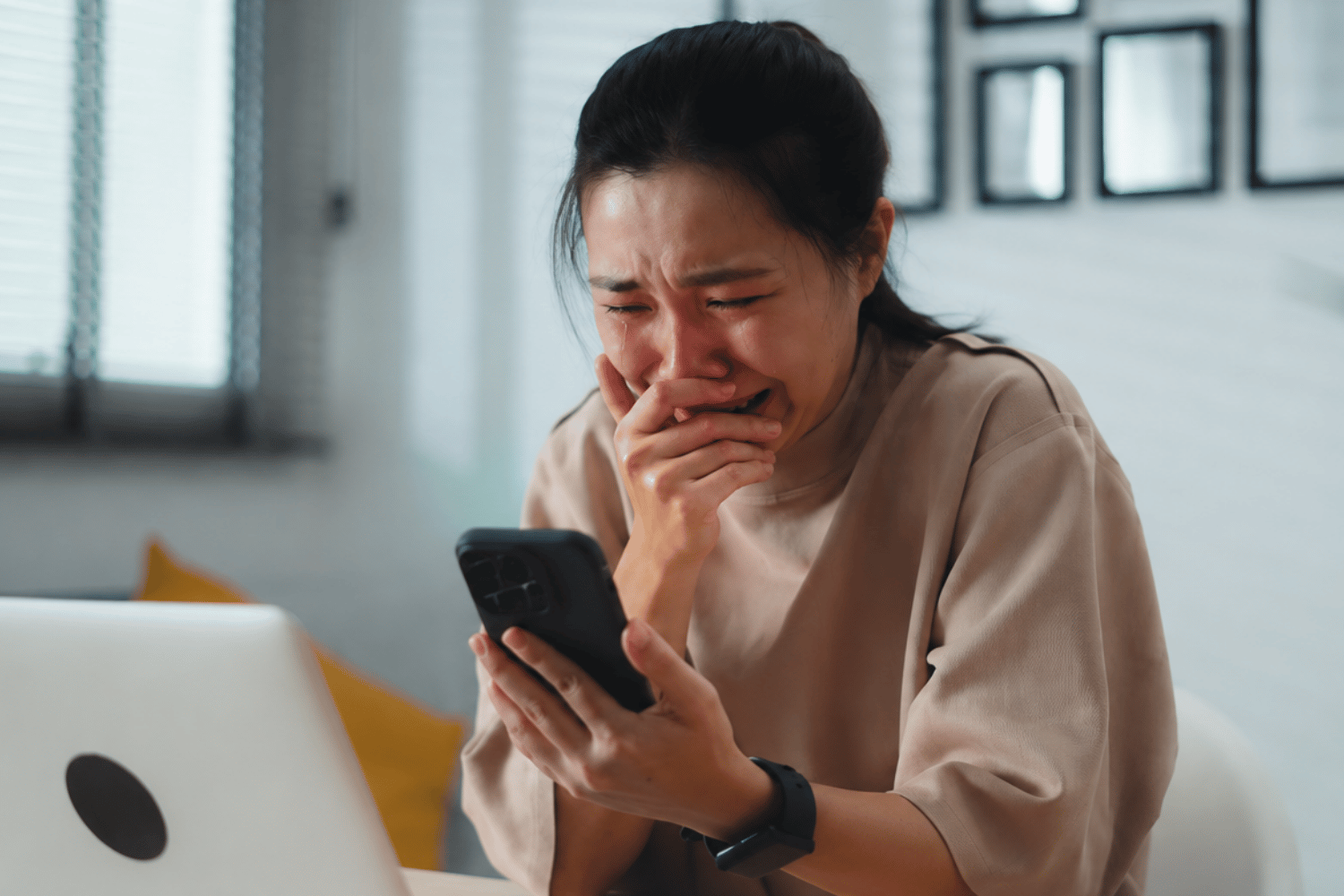
An affair doesn’t need sex to cause serious distress.
Your partner never kissed them. Never slept with them. Never even touched them.
But every night, they talked. Your partner told this person about their bad day before telling you. Shared private jokes, problems, fears and dreams. And when you finally noticed something was wrong, you got the classic answer: “Kaibigan ko lang naman.”
There may have been no sex. But something intimate was already happening.
For many people, emotional cheating can be particularly devastating because what is being shared isn’t simply a body. It is closeness.
When someone else becomes their person
Emotional cheating happens when intimacy normally associated with a romantic relationship begins shifting toward someone outside it.
Psychologist David Buss and colleagues famously examined reactions to sexual versus emotional infidelity in a 1992 study published in Psychological Science. Women were more likely than men to identify emotional infidelity as more distressing, while men showed stronger reactions to sexual infidelity. Subsequent research has continued to study—and debate—these differences.
The science doesn’t prove emotional cheating universally hurts more. But it establishes something important: an affair doesn’t need sex to cause serious distress.
Sex can happen once. Emotional intimacy takes time
This is perhaps the cruelest part.
A sexual encounter can theoretically be one impulsive night. Emotional intimacy usually requires repetition.
One chat becomes daily chats. Updates become confessions. Friendship develops secrecy. Eventually, someone else knows things about your partner that you don’t.
Discovery can then force the betrayed partner to reconstruct months of memories.
Were you talking to them while sitting beside me? Did they know about our fights? How long was I the last person to know?
Research published in Stress and Health has noted that romantic betrayal can produce symptoms associated with interpersonal trauma. Another study of unmarried young adults found 45.2% of participants who had experienced infidelity showed symptoms suggesting probable infidelity-related PTSD.
Filipinos recognize it as cheating
This isn’t simply a Western relationship concept.
A nationwide Social Weather Stations survey conducted in November 2025 found 27% of adult Filipinos had personally witnessed or experienced some form of relationship cheating. Emotional cheating and physical cheating were each reported by 11%.
SWS included developing romantic feelings without physical intimacy and turning to another person about one’s problems instead of one’s partner among examples of emotional cheating.
In the Filipino setting, the boundaries can become especially blurry. It can be the officemate who’s supposedly just a friend, the ex who’s always available, the ka-chat until 2 a.m., or the person who knows every detail of your relationship because your partner tells them everything.
There may be no motel receipt. No kiss. No sex.
But the person who was supposed to be emotionally closest to you has made someone else their safe place.
Sexual cheating can leave you asking, “Why did you want their body?”
Emotional cheating can leave an even more painful question:
“If you already gave them your heart, what was left for me?”
READ: