Recently, I convinced my friends to have dinner at a trending Filipino restaurant along E. Rodriguez. Its social media reels promised beautiful food, glowing reviews, and an exciting dining experience.
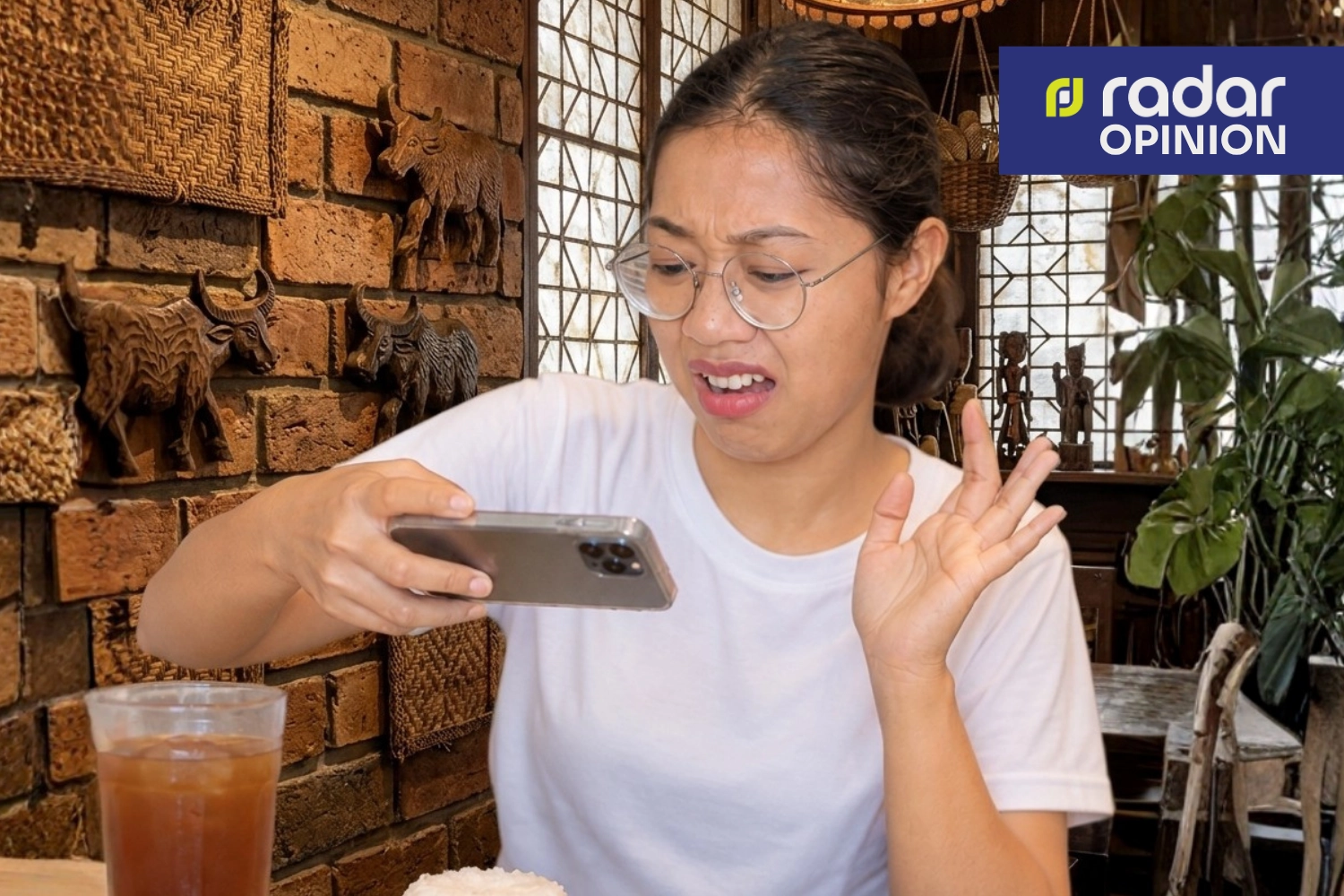
What we got was a spectacular disappointment.
The nilagang baka tasted like hot water with pre-cooked meat and boiled vegetables. I asked for patis to rescue it, but even that tasted like diluted saltwater.
The butterfly-fried pampano arrived beautifully presented but completely unseasoned. The accompanying vinegar, swimming with onions and garlic, barely tasted like vinegar.
Then came the adobong pusit, drowning in a thick, overly sweet sauce that tasted more like pares than adobo.
Everything looked good. Almost nothing tasted good.
I posted my disappointment online. The story generated 2.6 million views. Some might consider such public criticism harsh. I consider it necessary.
Filipino cuisine is finally gaining international recognition. Restaurants in New York, Los Angeles, and Europe are introducing our flavors to wider audiences. Ube has become a global obsession. Even Jollibee has helped bring Filipino tastes overseas.
Yet here at home, some restaurants seem more interested in Instagram aesthetics than culinary excellence.
This bothers me because I know how extraordinary Filipino cooking can be. I’ve tasted it in family kitchens, provincial fiestas, and humble restaurants where recipes are respected and flavors are never compromised.
I recently returned from Ho Chi Minh City, where even modest Vietnamese restaurants impressed me with their consistency. Thailand and Japan inspire similar admiration. Their culinary pride is evident not merely in presentation but in execution.
Why shouldn’t we demand the same?
Our cuisine has remarkable depth. Its character comes from real ingredients, regional traditions, patient cooking, and the careful balance of sourness, saltiness, sweetness, and spice.
We should be questioning restaurants that replace these traditions with powdered shortcuts, excessive sugar, gimmicky presentations, and expensive interiors.
And criticism should not mean demanding cheap food. I will gladly pay premium prices for excellent Filipino cooking. But premium pricing must come with culinary competence.
Innovation is welcome. Reinvention is exciting. But neither excuses the inability to cook a decent nilaga.
I worry especially about foreign visitors encountering these restaurants and leaving convinced that Filipino food is bland or uninspired. One disappointing meal can reinforce an unfair impression of an entire cuisine.
We cannot celebrate Filipino food’s global rise while tolerating mediocrity at home.
Restaurants deserve fair, specific criticism, not personal attacks. But diners should never feel guilty for demanding quality, especially when establishments charge good money and advertise themselves as exceptional.
If a Filipino restaurant cannot execute the most basic Filipino dishes properly, perhaps it should reconsider why it is in the business.
Protecting our culinary heritage requires more than praising it. Sometimes, loving Filipino food means refusing to applaud a terrible plate of it.