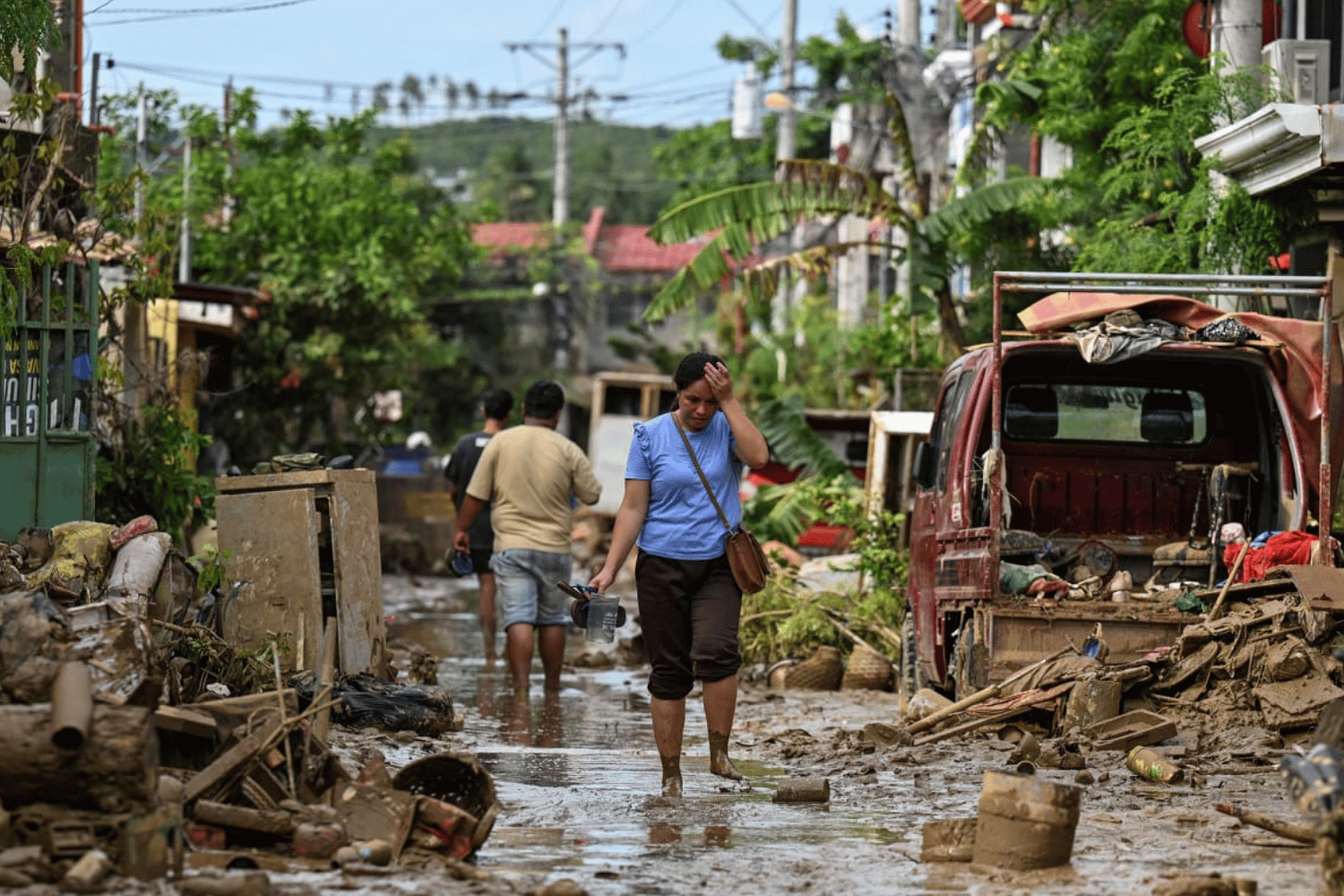
The Philippines may experience fewer tropical cyclones in the remaining months of 2026, but those that develop could become powerful enough to reach super typhoon strength.
This is the unusual weather threat emerging as the country braces for a potentially very strong El Niño, which state weather bureau PAGASA expects to peak before the end of the year and persist into the first half of 2027.
According to PAGASA, only one to two tropical cyclones are expected to enter or develop within the Philippine Area of Responsibility each month from October to December. However, some could intensify into typhoons or super typhoons.
The warning challenges a common assumption: fewer storms do not necessarily mean a safer typhoon season.
Why El Niño means fewer storms
Around 20 tropical cyclones enter the Philippine Area of Responsibility annually. During El Niño, however, changing ocean temperatures and atmospheric circulation can significantly alter where storms develop and travel.
El Niño is characterized by unusually warm waters in the central and eastern equatorial Pacific, while waters near the Philippine Sea tend to become relatively cooler.
A study published in the American Meteorological Society’s Journal of Climate, titled “Impacts of ENSO on Philippine Tropical Cyclone Activity,” found that tropical cyclones tend to form farther east during El Niño years.
Because of this shift, more storms curve northward before reaching the Philippines, reducing the frequency of cyclones entering the country’s territory or making landfall.
Fewer typhoons, but potentially stronger
The bigger concern is the intensity of storms that still threaten the country.
Tropical cyclones forming farther east can spend more time traveling across warm Pacific waters, giving them additional opportunities to strengthen before approaching land.
A 2022 study published in the International Journal of Climatology found that certain types of El Niño events are associated with longer-lasting and more intense tropical cyclones, including an increased occurrence of Category 4 and 5 storms in the western North Pacific.
However, scientists emphasize that El Niño does not automatically make every typhoon stronger. Storm intensity still depends on ocean temperatures, atmospheric moisture, wind shear, and other weather conditions.
For the Philippines, the danger remains significant. Even one exceptionally powerful typhoon can cause widespread destruction, regardless of how few storms occur during the season.
From super typhoons to severe drought
The country also faces another threat as El Niño intensifies: prolonged dry spells and drought.
In its September 23 advisory, PAGASA warned that the ongoing strong El Niño could intensify into a very strong event and continue affecting the country through the first half of 2027.
Below-normal rainfall could threaten agricultural production, reduce reservoir levels, strain municipal water supplies, and affect food security.
Yet heavy rainfall and flooding remain possible when tropical cyclones or other rain-bearing weather systems affect the country, even during an El Niño.
PAGASA officially declared the end of the southwest monsoon season on October 5, marking the transition toward generally drier conditions in western Luzon and Visayas.
The Philippines therefore faces a potentially dangerous combination: fewer tropical cyclones, the possibility of exceptionally powerful storms, and worsening drought conditions.
And while the number of storms may decline, the destruction caused by even a single super typhoon could be catastrophic.
READ:
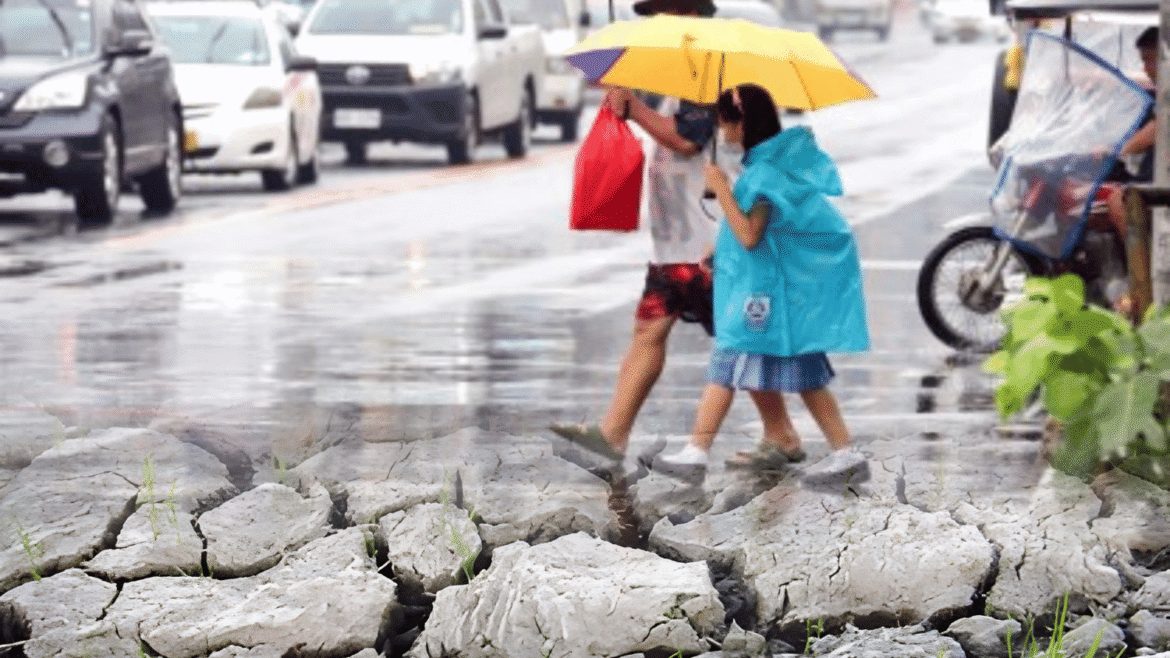
It’s pouring now—but the Philippines is entering a stronger El Niño
Top Dagohoy
September 6, 2026
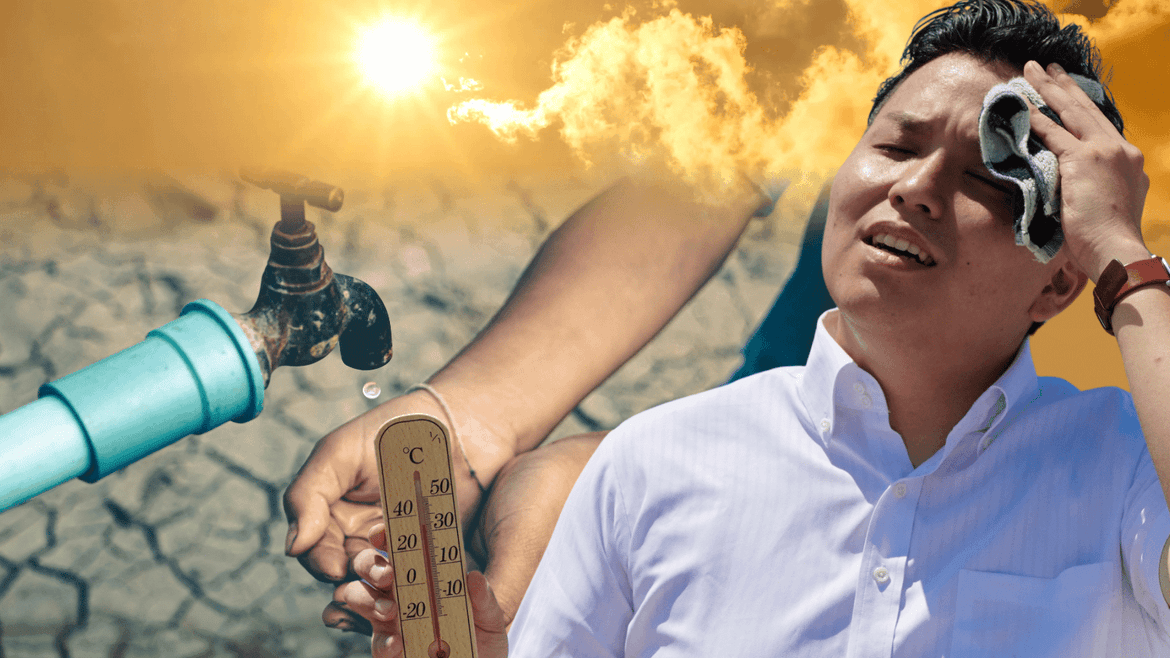
Brace for extreme heat, drought and water shortages as Super El Niño intensifies
Top Dagohoy
October 2, 2026
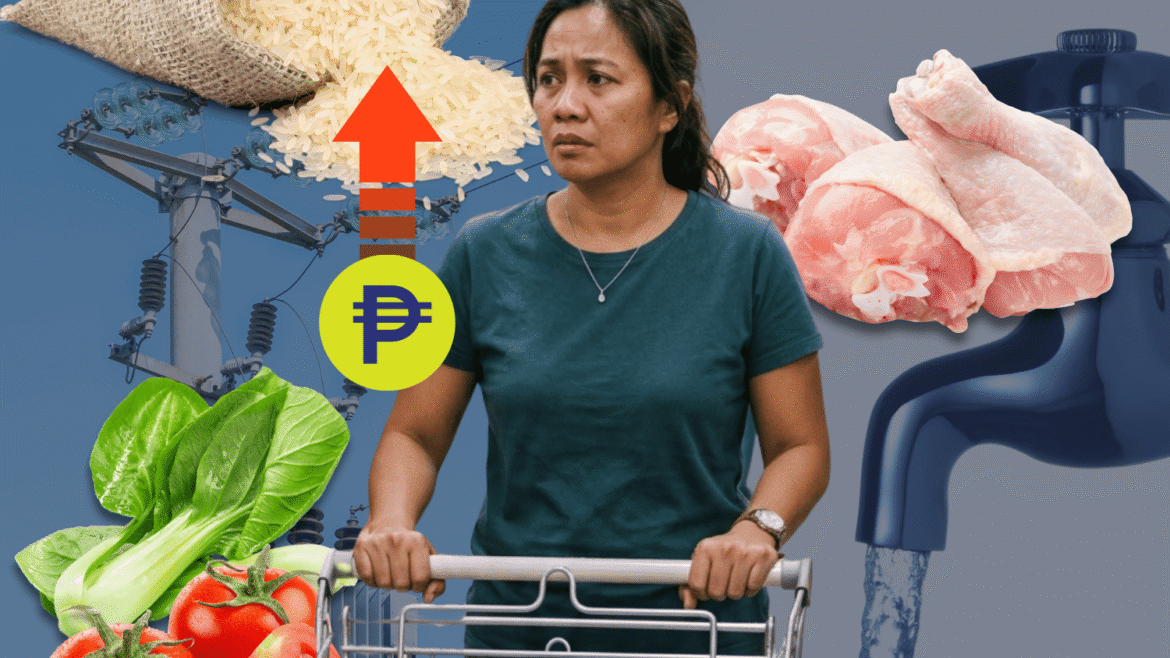
Super El Niño could make these everyday household essentials more expensive
Top Dagohoy
October 5, 2026