Your next grocery run may be where you feel Super El Niño most.
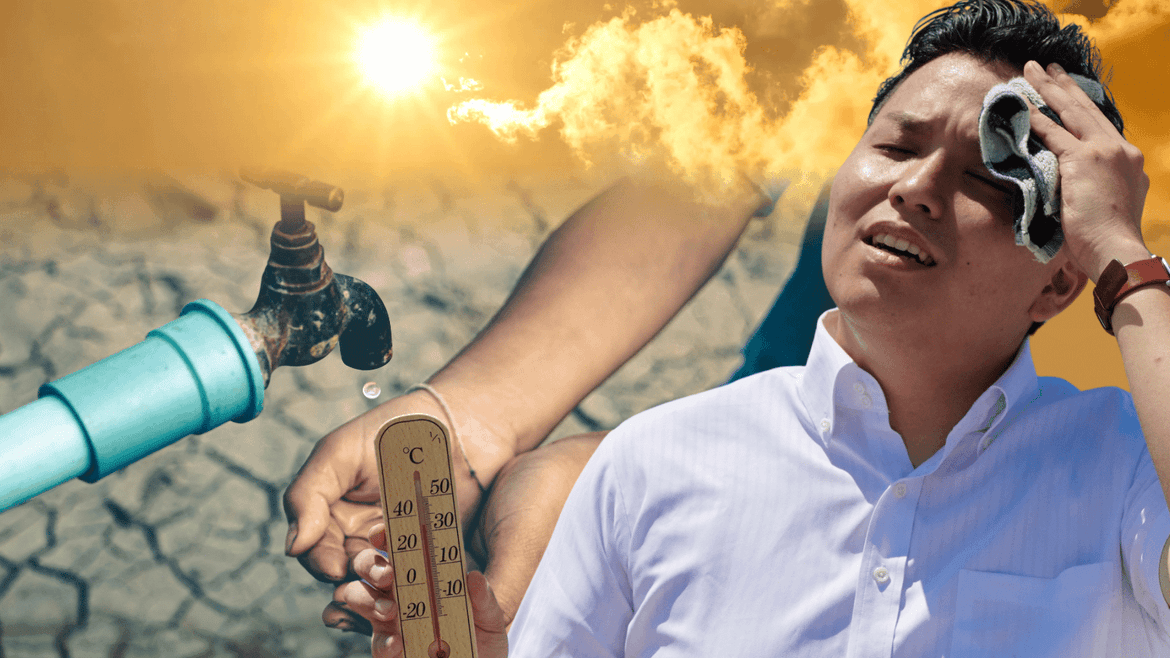
The Philippines is bracing for an intensifying El Niño expected to persist into the first half of 2027. A very strong event can bring drought, water shortages, extreme heat and power disruptions. The Department of Agriculture is already building food buffers and preparing for lower farm production.
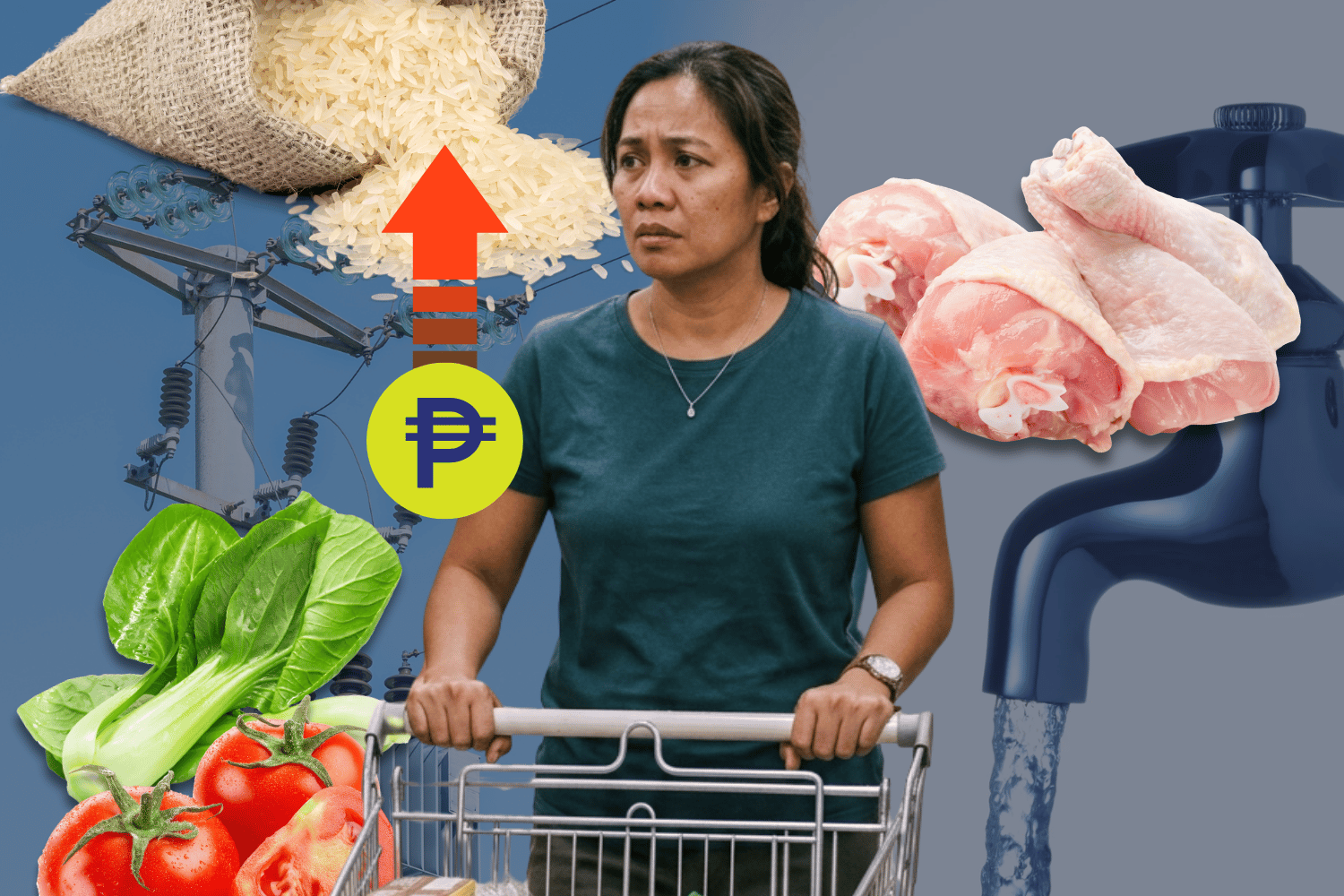
For ordinary households, that means the impact could eventually show up in the palengke, supermarket, water tap and electric bill.
Rice comes first
Rice is among the most exposed household staples. Paddy production requires substantial water, leaving rain-fed farms particularly vulnerable when rainfall disappears and irrigation sources decline.
The DA estimates weather-related shocks could cut projected palay production during the second-half main harvest by around 700,000 metric tons. It has consequently moved to strengthen rice stocks and food storage.
Corn follows closely. Drought-damaged corn does not only affect people who eat it. Yellow corn is an important livestock-feed ingredient, meaning reduced harvests can eventually add pressure to the cost of producing chicken, pork and eggs.
Vegetables, fruits and meat
Tomatoes, eggplants, leafy vegetables and other produce can suffer from insufficient water and extreme heat. Reduced harvests can translate into tighter supplies and temporary price spikes at markets.
Livestock and poultry face another problem: heat stress. Combined with potentially more expensive feed, prolonged extreme temperatures can increase production costs and put pressure on supplies of meat, eggs and dairy products.
Coffee, bananas and other agricultural products are likewise vulnerable when prolonged drought reduces soil moisture and stresses plants.
Water and electricity
The effects do not end at the dinner table.
Falling reservoir and groundwater levels can eventually mean lower water pressure, rationing or interruptions in vulnerable communities.
Then there is electricity. Hotter days mean households run electric fans and air-conditioners longer, increasing consumption just as drought can constrain hydropower generation.
Higher prices, however, are a risk—not a certainty. Imports, government buffers, rainfall patterns and interventions can soften the impact. The government is stocking food and expanding storage capacity precisely to prevent shortages.
But Super El Niño does not have to reach your doorstep as cracked farmland to hurt.
It can arrive quietly—as a more expensive sack of rice, a higher vegetable bill, a costlier tray of eggs, a weaker faucet and a bigger electricity bill.
READ: