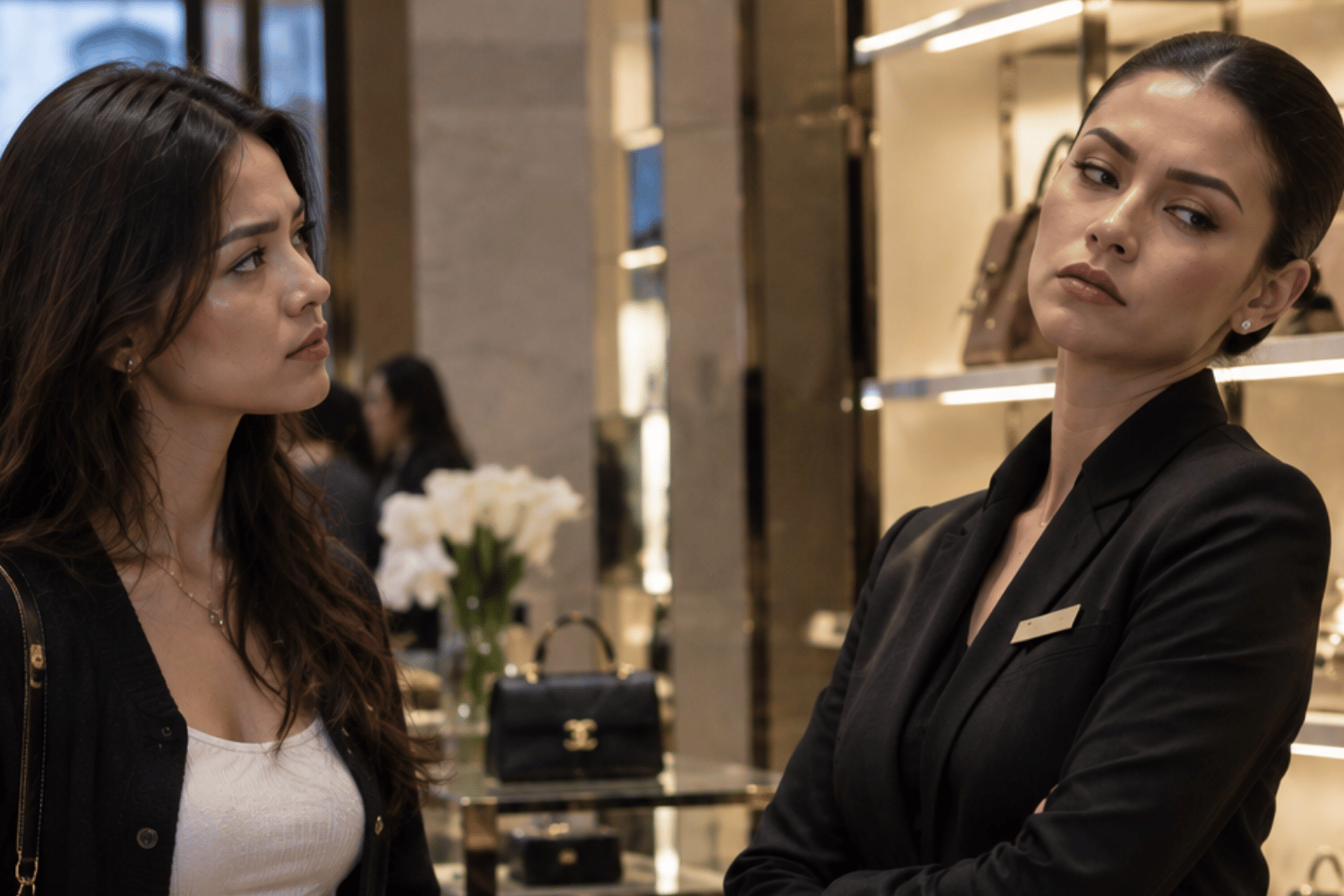
A Filipino celebrity walks into a luxury boutique abroad, hoping to buy something special. Instead of a warm welcome, she encounters a sales assistant who appears unimpressed, dismissive, and unwilling to help.
Offended, she decides to prove that she can afford the merchandise. She starts buying expensive items, spending far more than she originally intended. By the time she leaves, she has made her point.
Or has she?
The sales assistant who made her feel unwelcome may have just earned a handsome commission from her purchases.
It is a familiar story in luxury shopping, where the desire to prove one’s financial worth can turn humiliation into an expensive shopping spree. And according to consumer psychology, this reaction is not entirely surprising.
The psychology of retail rejection
A 2014 study published in the Journal of Consumer Research, titled “Should the Devil Sell Prada? Retail Rejection Increases Aspiring Consumers’ Desire for the Brand,” found that rejection by sales personnel can actually increase consumers’ desire for luxury products.
Researchers discovered that when shoppers feel judged or excluded by a prestigious brand, some become more determined to own its products. Buying becomes a way of asserting their social status and proving they belong.
The effect is particularly pronounced among consumers who strongly aspire to identify with the brand.
In other words, the salesperson who makes you feel that you cannot afford a handbag may unintentionally—or strategically—make you want it even more.
Why luxury stores can feel intimidating
Luxury retail thrives on exclusivity. Expensive merchandise, carefully controlled displays, limited availability, and highly formal service all contribute to an atmosphere where customers sometimes feel they are being evaluated rather than welcomed.
Some sales associates may also make assumptions about purchasing power based on clothing, appearance, or perceived social status.
But there is an important distinction: researchers have documented the psychological effects of rude service, not established that luxury brands systematically train employees to humiliate customers.
Cold treatment may reflect individual prejudice, poor service, or misguided attempts to identify serious buyers rather than an official corporate strategy.
Still, the psychological consequences can be remarkably profitable.
The customer who thinks she won
Perhaps the greatest irony of luxury retail rejection is that the offended customer sometimes believes an extravagant purchase is the ultimate revenge.
She walks out carrying expensive shopping bags, satisfied that she has embarrassed the person who underestimated her.
But the boutique has recorded another successful sale. The brand has earned its revenue. And if the salesperson receives sales-based compensation, that employee may have benefited financially from the confrontation.
The research also suggests that this reaction is not universal or necessarily lasting. Rejection can alienate customers, particularly those who do not strongly identify with the brand.
Ultimately, luxury shopping exposes an uncomfortable truth about consumer behavior: sometimes people spend money not because they desperately want a product, but because they desperately want respect.
And when someone spends thousands just to prove a rude salesperson wrong, the most expensive thing they may have purchased is validation.
READ:

Sicogon’s luxury tourism dream grinds to a halt as hotels, villas, and airport shut down
radar Business
June 26, 2026
OPINION: Stop turning ukay-ukay into a luxury treasure hunt
Kiara Gorrospe
September 8, 2026
Jinkee Pacquiao swaps luxury bags for $3 Trader Joe’s tote
Kiko Escuadro
August 18, 2026