The network apologizes and promises editorial changes after host Tito P faces severe backlash for disability mockery.
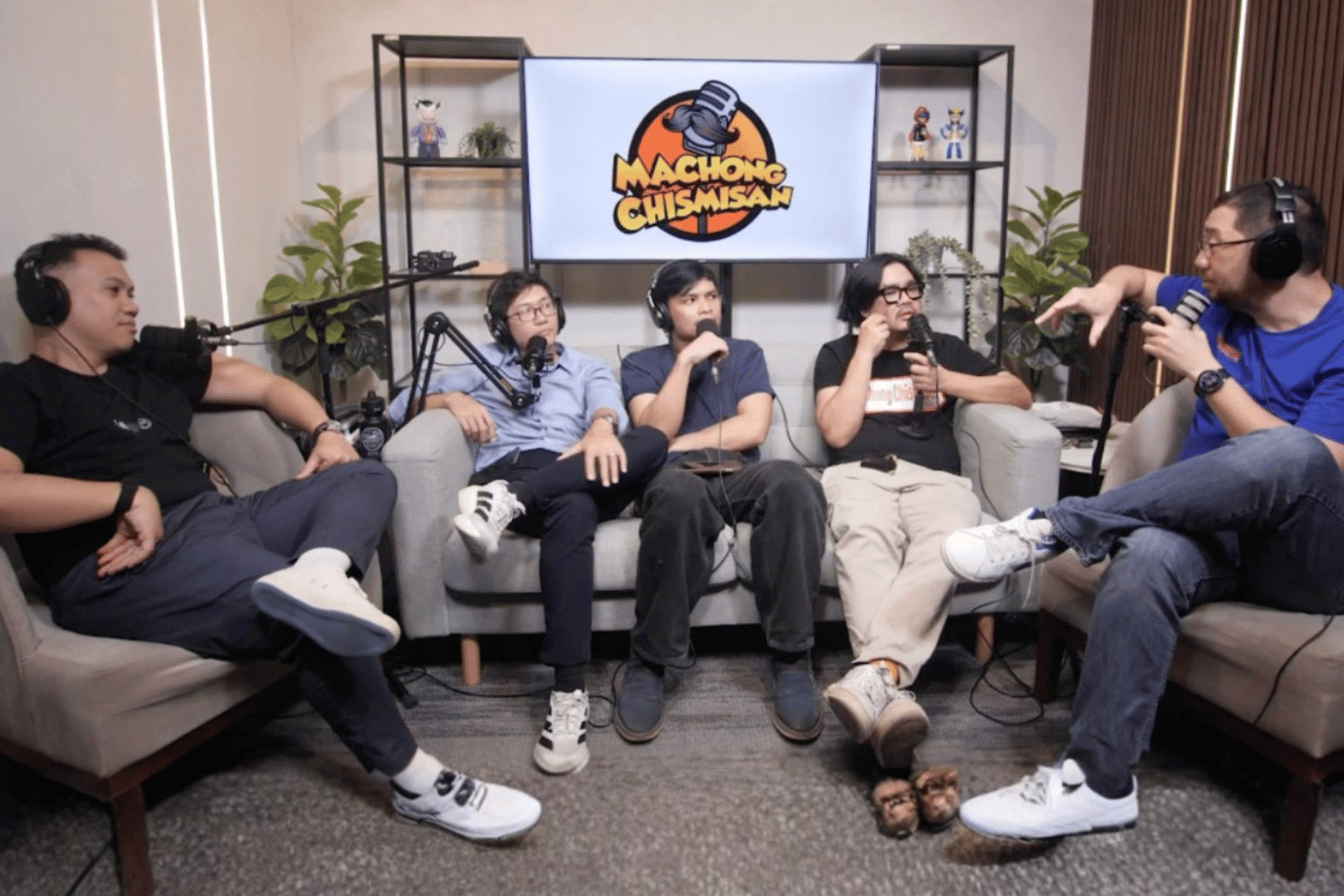
The Pod Network has apologized and taken down an episode of “Machong Chismisan” following widespread backlash over its hosts’ disparaging remarks about Kris Aquino’s eldest son, Josh Aquino, who is on the autism spectrum.
In an official statement posted on social media on Wednesday, October 14, the network acknowledged concerns over comments targeting a person with a disability, stressing the importance of treating persons with disabilities (PWDs) and neurodivergent individuals with dignity and respect.
“We are sorry for the hurt this has caused,” The Pod Network said, adding that it was reviewing the publication of the controversial episode and strengthening its editorial processes.
While the network emphasized that its creators speak in their own voices and that their views do not necessarily represent the organization, it acknowledged its responsibility as the platform distributing their content.
“The episode has been taken down while we review it,” the statement read.
The Pod Network also announced plans to formalize editorial guidelines across its shows, particularly when addressing disability, mental health, minors, family members of public figures, and other sensitive subjects.
Backlash over Josh Aquino remarks
The controversy erupted after “Machong Chismisan” co-host Tito P drew criticism for calling Josh “walang kwenta” during a discussion about Kris’ sons.
“Si Bimby sobrang okay na anak, si Josh walang kwenta eh,” the host said.
His remarks continued when he learned that Josh reportedly receives a daily school allowance of ₱3,000.
“Tapos nakatunganga lang siyang ganon,” he added.
The comments drew widespread criticism online, with netizens condemning them as insensitive and disrespectful, particularly in light of Josh’s autism diagnosis. The backlash intensified as other hosts appeared to join the exchange, with laughter heard during the discussion.
The episode was subsequently taken down amid the growing public outcry.
Autism Society Philippines weighs in
The Autism Society Philippines (ASP) also condemned the incident, reminding content creators that disability should never be used as a source of humiliation or entertainment.
In a statement published on its website, the organization described the incident as “Patawang hindi nakakatawa,” criticizing the use of disability related mockery to attract views and generate engagement.
“Making fun of persons with disabilities for views, laughs, or viral engagement is not automatically protected by the excuse of comedy. A person’s disability is not a punchline, and humiliation is not entertainment,” the ASP said.
The organization clarified that not every offensive joke automatically constitutes a crime, but presenting remarks as comedy does not exempt creators from possible legal accountability.
Citing Republic Act No. 9442, which amended the Magna Carta for Persons with Disabilities under Republic Act No. 7277, the ASP pointed to provisions addressing the public ridicule and vilification of persons with disabilities.
Call for accountability
The society challenged podcasters and online personalities to consider the impact of their content before publishing it, emphasizing that public influence comes with responsibility.
“Creators and podcasters have influence—and responsibility,” the organization said, urging content creators to reflect on whether their material challenges prejudice or reinforces discrimination.
“The Autism Society Philippines opines that the digital world is not beyond the reach of accountability. Free expression comes with responsibility. Build an audience through creativity, insight, and wit not by stripping others of their dignity,” it added.
The ASP also called for the podcast hosts to face censure from their management, platforms, and the government.
“Disability inclusion is a matter of rights, not personal preference. Make content that informs, entertains, and respects,” the organization stressed.
The society concluded that comedy should never come at the expense of another person’s humanity, underscoring the need for greater accountability among creators whose platforms can shape public attitudes toward persons with disabilities.
READ:
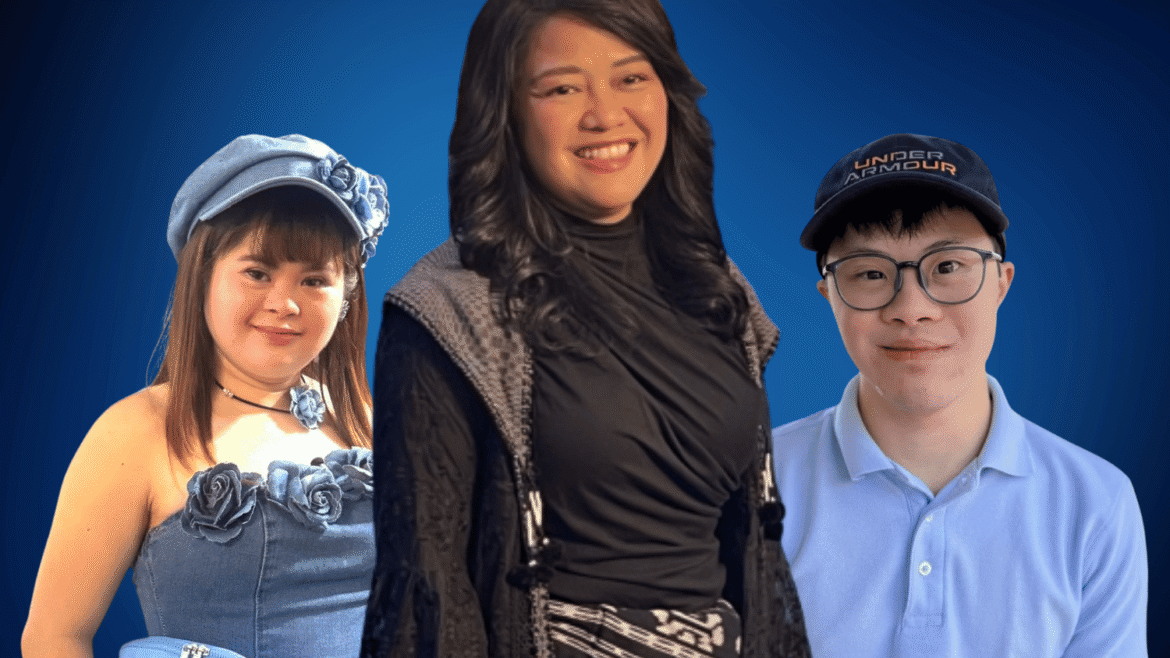
Sigrid Bernardo hits back at cruel attacks on “I’mPerfect” actors
Top Dagohoy
September 5, 2026
Child PWDs require nearly twice the financial support as other kids
Kiara Gorrospe
October 1, 2026
‘Anong logic behind PWD IDs na may expiration date?’
Allyson Capati
July 24, 2026