During the 2010s, the daily prayer gradually disappeared from most major networks.
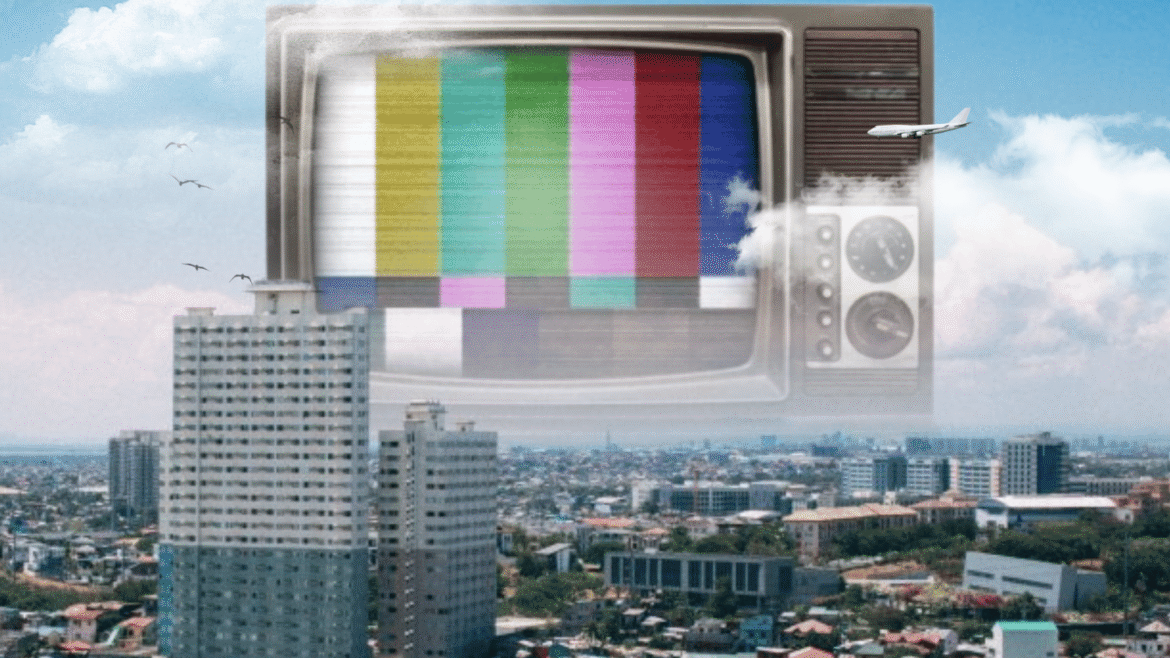
You were glued to the television, waiting for the next scene of your favorite cartoon, anime, or afternoon drama. Then, almost like clockwork, the program suddenly disappeared.
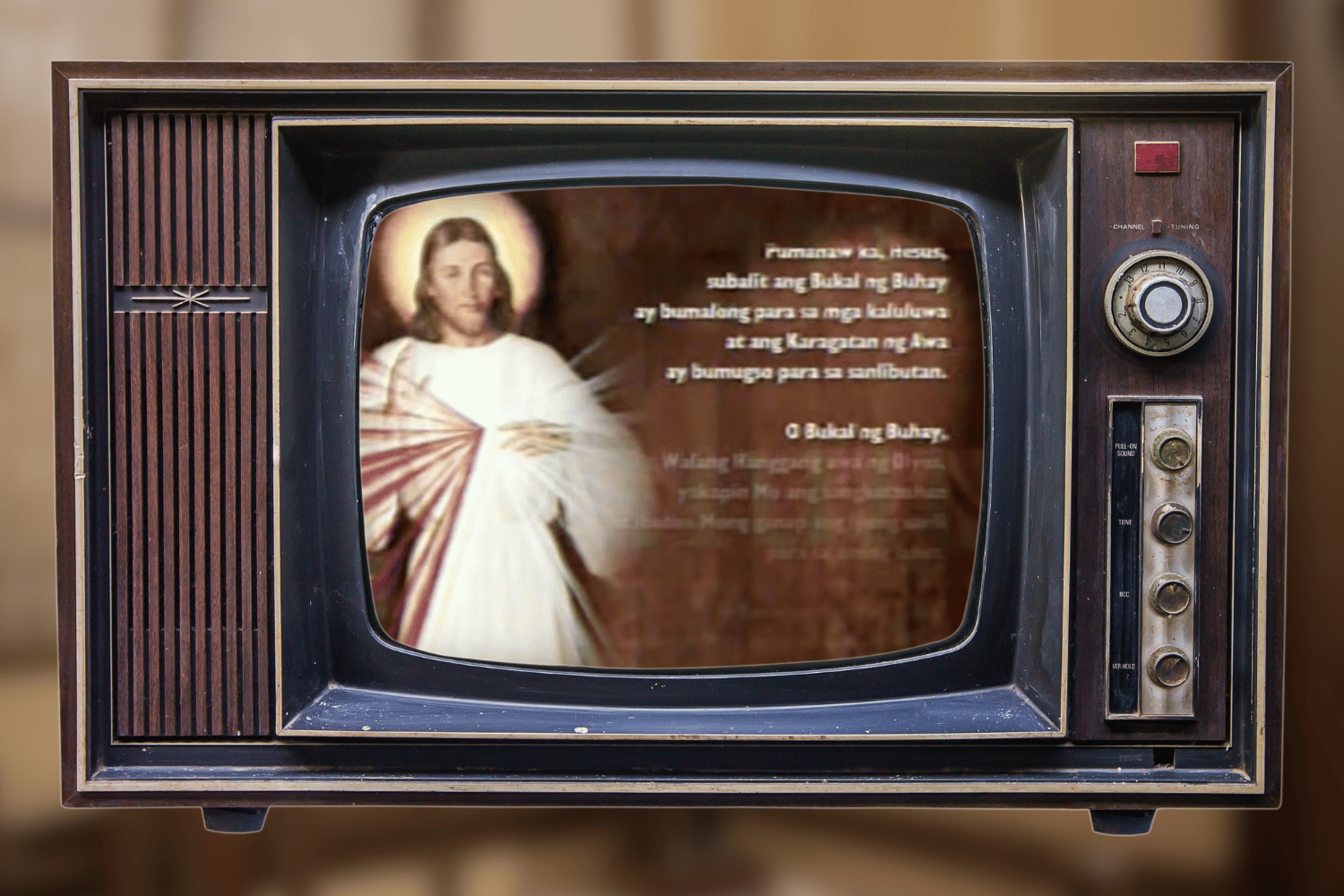
The screen faded into the image of the Divine Mercy. Soft orchestral music filled the room. A calm voice invited everyone to stop whatever they were doing and pray.
For millions of Filipinos, that wasn’t a technical glitch. It was the Three O’Clock Prayer.
For decades, television stations across the Philippines paused their regular programming every day at exactly 3 PM to air the now-iconic prayer. It became such a familiar part of daily life that many Filipinos could tell the time simply by hearing its opening music.
The tradition began in the 1980s through the Divine Mercy “Say a Little Prayer” Movement based in Cubao, Quezon City. It encouraged viewers to spend a minute in prayer during what Catholics call the Hour of Great Mercy—the moment believed to be when Jesus Christ died on the cross.
The prayer called for peace, unity, and the forgiveness of sins, transforming an ordinary afternoon into a brief nationwide moment of reflection.
Its television presentation became instantly recognizable.
Viewers were greeted by the image of the Divine Mercy, scenes of families praying, and the words “Jesus, I trust in You” appearing on screen. The prayer was originally narrated by former radio personality and movement founder Bro. Don de Castro before becoming even more familiar through the voice of legendary ABS-CBN announcer Peter Musngi.
The emotional orchestral music was lifted from the 1965 Hollywood epic “The Greatest Story Ever Told,” making it one of the most recognizable pieces of music on Philippine television.