Research into tarsier fossils, retinal anatomy and vision supports the idea of an evolutionary shift back toward nocturnality.
Those enormous eyes that make tarsiers look permanently surprised aren’t just for cuteness. They may actually be one of evolution’s most dramatic workarounds.
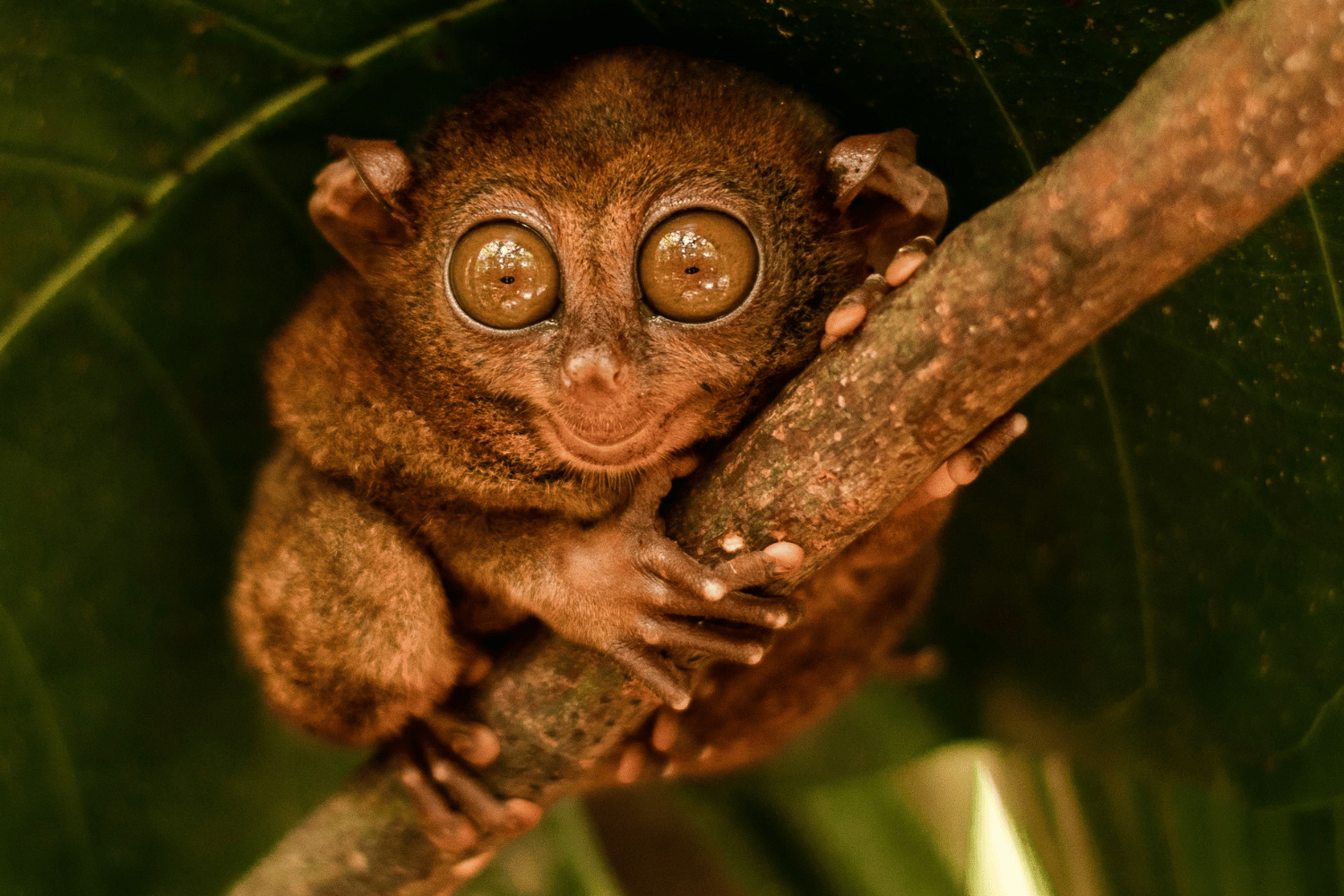
Tarsiers are tiny nocturnal primates found only in Southeast Asia, including the Philippine tarsier (Carlito syrichta). But unlike many mammals that prowl at night, tarsiers lack a tapetum lucidum—the reflective layer behind the retina that helps animals such as cats make better use of limited light.
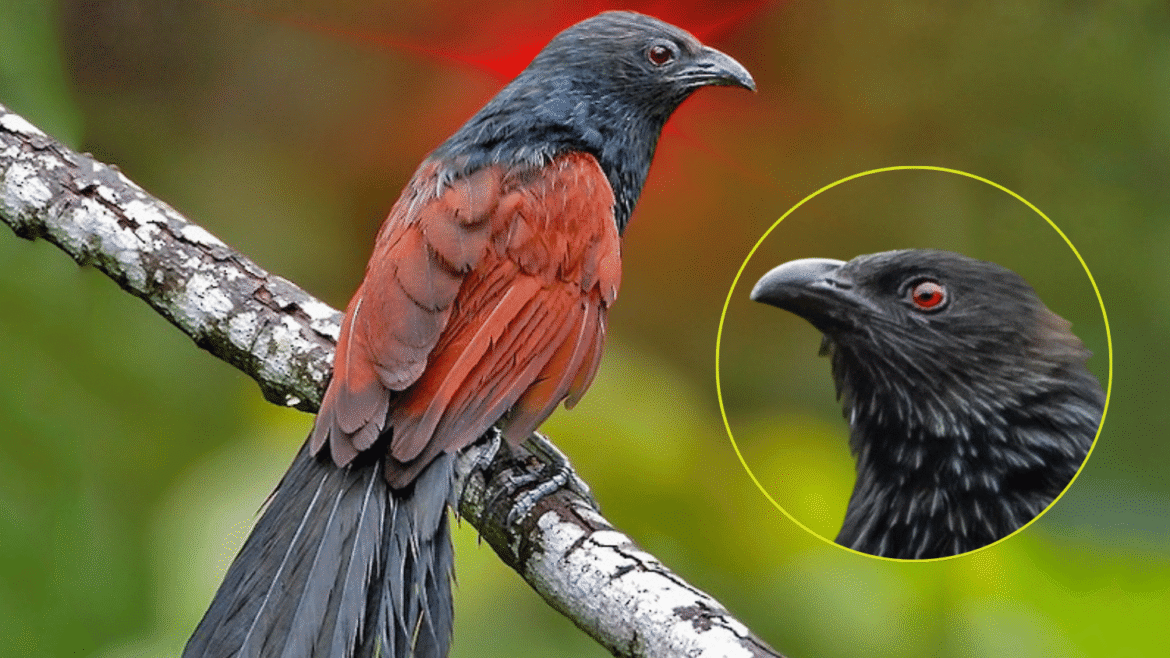
It is also the structure responsible for the eerie “eye shine” you see when a flashlight or headlights hit some animals in the dark.
So how does a tiny predator survive and hunt at night without this biological mirror?
Evolution apparently went big. Literally.
Tarsiers developed extraordinarily large eyes that allow more light to enter. Relative to their body size, their eyes are among the largest of any mammal. In some species, each eyeball is roughly as large as the animal’s brain.
Scientists have proposed a fascinating explanation for this unusual setup. Evidence suggests that tarsiers descended from ancestors adapted to brighter, daytime conditions. When the lineage later returned to nocturnal life, it did so without the reflective eye layer used by many other nocturnal mammals.
Instead, evolution found another solution: enormous eyes.
Research into tarsier fossils, retinal anatomy and vision supports the idea of an evolutionary shift back toward nocturnality, although scientists continue to debate exactly when and under what conditions this happened.
Those massive eyes also created another problem. They are essentially fixed in their sockets and cannot swivel around like human eyes.
The solution? Tarsiers evolved extraordinary neck mobility, allowing them to rotate their heads nearly 180 degrees in either direction to scan their surroundings.
And behind those adorable, permanently startled faces are serious predators.
Tarsiers are unique among living primates for being entirely carnivorous. They primarily eat insects and other small animals, with some species also hunting lizards, frogs and even small birds.
So the next time you see a Philippine tarsier staring back with those impossibly huge eyes, remember: they aren’t oversized simply to make the animal cute.
They are essentially nature’s Plan B for a night-vision system it doesn’t have.
READ: