

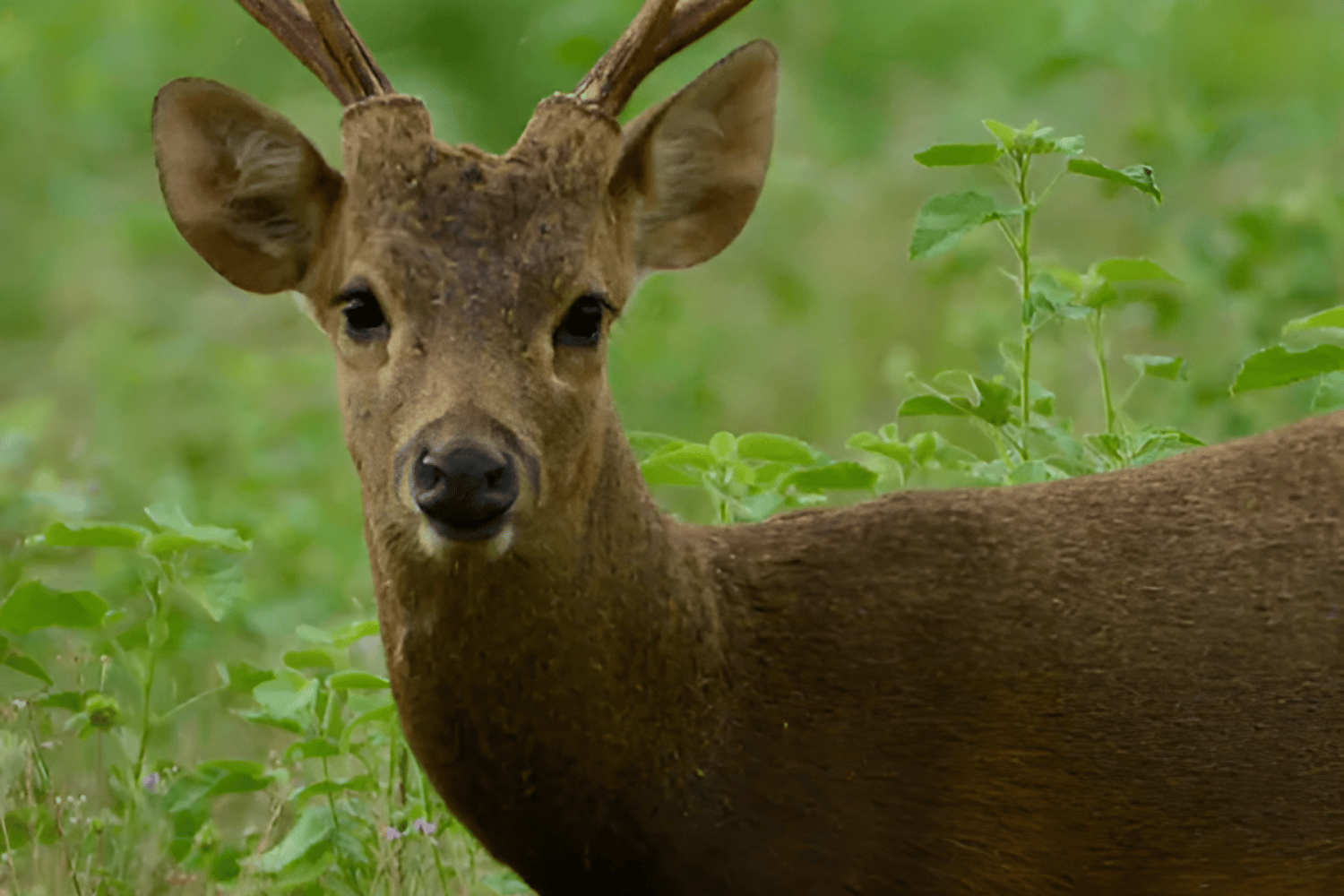
Protecting the Calamian deer means protecting a significant portion of northern Palawan’s unique biodiversity.
The Calamian deer is rare for a reason: it is a micro-endemic species, meaning it exists naturally in only one tiny corner of the world. In its case, that corner is the Calamian Islands in northern Palawan. If it disappears there, it disappears everywhere.
Few Filipinos have ever seen one in the wild, yet this shy, short-legged deer is one of the country’s most extraordinary mammals. Known locally as the usa, the Calamian deer (Axis calamianensis) is found only on the islands of Busuanga, Culion, and Calauit, making it one of the Philippines’ most geographically restricted large mammals.
Its limited range is precisely why conservationists consider protecting the species so urgent. Every forest cleared, every case of poaching, and every shrinking patch of habitat puts an animal found nowhere else on Earth one step closer to extinction.
The forest’s quiet gardener
Although it is rarely seen, the Calamian deer plays a major role in keeping forests alive.
As it feeds on leaves, shoots, twigs, and fallen fruits, it carries seeds across the islands through its droppings. These seeds grow into new plants and trees, helping forests regenerate naturally after storms, droughts, or other disturbances.
Scientists often describe animals like the Calamian deer as nature’s gardeners. Without them, many native plants struggle to spread, gradually reducing the diversity and resilience of forest ecosystems.
Saving one species saves many
Protecting the Calamian deer goes beyond saving a single animal.
Because it depends on healthy forests, mangroves, and grasslands, conserving its habitat also protects countless other Philippine species—from native birds and reptiles to insects and rare plants that share the same environment.
Conservationists call this an “umbrella species.” Safeguarding one vulnerable animal creates a protective umbrella for an entire ecosystem.
In other words, protecting the Calamian deer means protecting a significant portion of northern Palawan’s unique biodiversity.
A warning from the wild
The deer is also an important indicator of environmental health.
When its population declines, it often signals that forests are being degraded through illegal logging, land conversion, uncontrolled tourism development, or excessive hunting.
For scientists, monitoring the species provides valuable clues about the overall condition of Palawan’s remaining wilderness.
A race against time
Today, the Calamian deer faces mounting threats.
Its already limited habitat continues to shrink as forests give way to agriculture, settlements, and tourism infrastructure. Illegal hunting remains a persistent problem despite wildlife protection laws, with some animals still killed for meat, hides, or trophies.
Climate change adds another layer of risk. More frequent grass fires, changing rainfall patterns, and rising sea levels threaten the fragile island ecosystems where the species has evolved over thousands of years.
More than just another deer
The Philippines is one of the world’s richest countries in terms of biodiversity, but many of its most remarkable species remain largely unknown to the public.
The Calamian deer is one of them.
It is not simply another deer roaming a forest. It is a species shaped by millions of years of evolution on a handful of Philippine islands—one that exists nowhere else on Earth.
Protecting it is about more than preventing another extinction. It is about preserving a unique piece of the Philippines’ natural heritage before it is gone forever.
READ:

Kapa-kapa, a critically endangered Filipino flower, once conquered Victorian Europe
radar Lifestyle
May 29, 2026
Meet Pseudogekko hungkag, Bicol’s rare and endangered false gecko
Nikko Miguel Garcia
March 27, 2026
Critically endangered tamaraw population shows rare rebound
Aldy Celestial
June 29, 2026


