The crisis stems from overfishing, illegal operations, weak enforcement, and commercial fleets invading municipal waters.
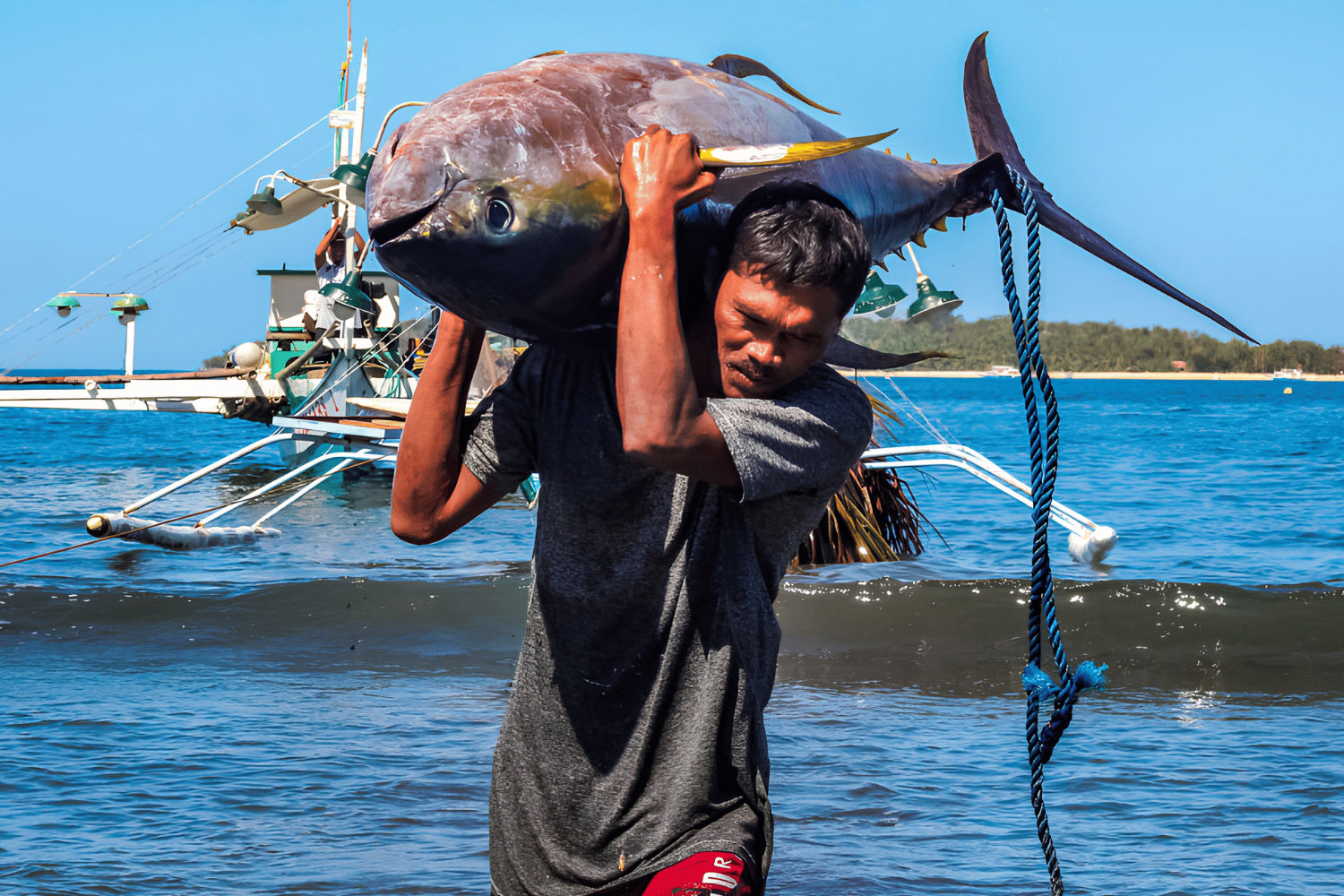
A FIlipino fisherman pushes his boat farther out to sea. The trip takes longer, fuel costs more, and when he finally pulls up his line, the tuna he once expected to find may no longer be there.
This is no longer just a fisherman’s bad day.
The Philippines, one of the world’s important tuna-producing nations, is confronting a disturbing decline in some of the fish that have fed Filipino families and supported coastal communities for generations.
And the numbers are alarming.
Oceana Philippines, citing government fisheries data, reported that frigate tuna or tulingan catches have fallen significantly from their peak in the 2000s. Yellowfin tuna, locally known as tambakol or bariles, has likewise registered a major decline from its peak.
The problem extends far beyond tuna.
A 2026 assessment by fisheries scientists reported that Philippine capture fisheries fell from 2.6 million metric tons in 2010 to 1.9 million metric tons in 2023. Based on an earlier government National Stock Assessment Program assessment cited in the report, 88 percent of assessed fish stocks were already considered overfished or depleted.
The country is now estimated to be losing an average of 45 million kilograms of fish catch every year.
That is fish disappearing not only from the sea, but potentially from Filipino dinner tables.
The pressure comes from many directions: overfishing, illegal and unreported fishing, weak enforcement, and commercial vessels entering waters intended to protect small-scale fishing communities.
In 2025 alone, Philippine marine municipal fisheries production declined 6.7 percent to 749,370 metric tons, according to the Philippine Statistics Authority.
Tuna remain a huge resource. The Department of Agriculture’s National Fisheries Research and Development Institute estimated the Philippine tuna catch at 230,347 metric tons in 2025.
But tuna cannot reproduce endlessly to satisfy an endlessly growing appetite.
Certain fishing practices can also catch young tuna before they have had sufficient opportunity to reproduce. Fish aggregating devices, or payaos, are particularly controversial when combined with purse-seine fishing because schools can include juvenile tuna.
The consequences eventually reach people.
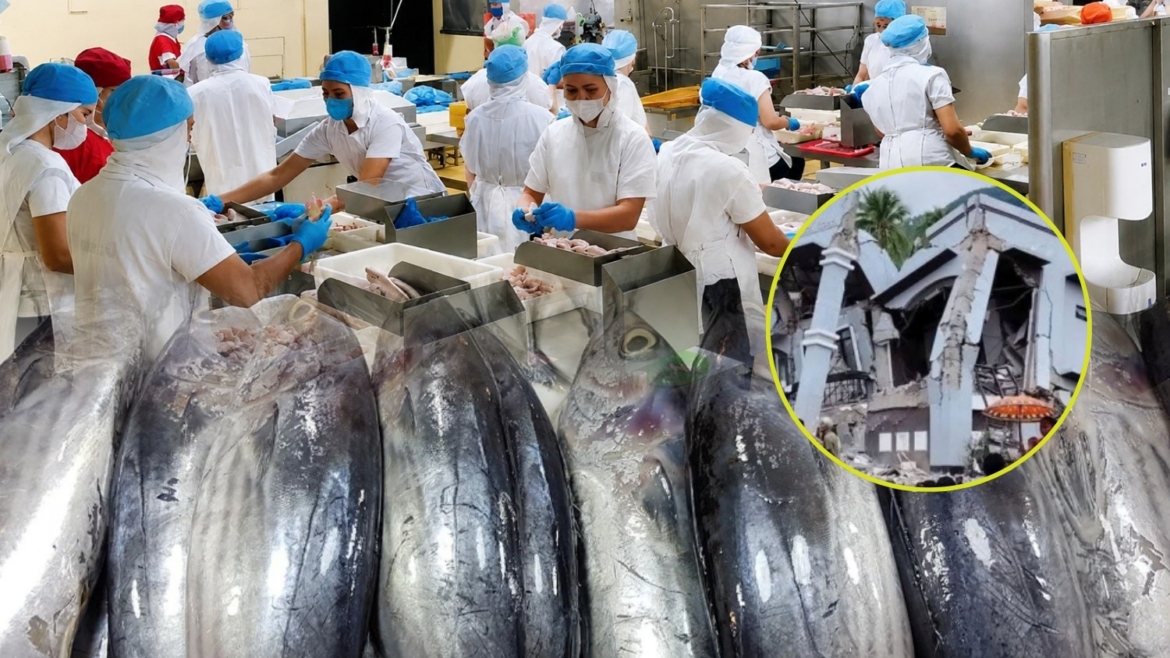
Fewer fish can mean longer trips, higher fuel expenses and smaller catches for fishing communities already struggling to make ends meet. It can also threaten an industry built around one of the Philippines’ most valuable marine resources.
Tuna may still look plentiful lined up in markets, packed into cans and served as sashimi.
But abundance at the supermarket can hide what is happening beneath the waves.
If we keep taking fish from the sea faster than populations can replenish themselves, the question eventually changes from how much tuna Filipinos can catch.
It becomes: How much will be left?
READ: