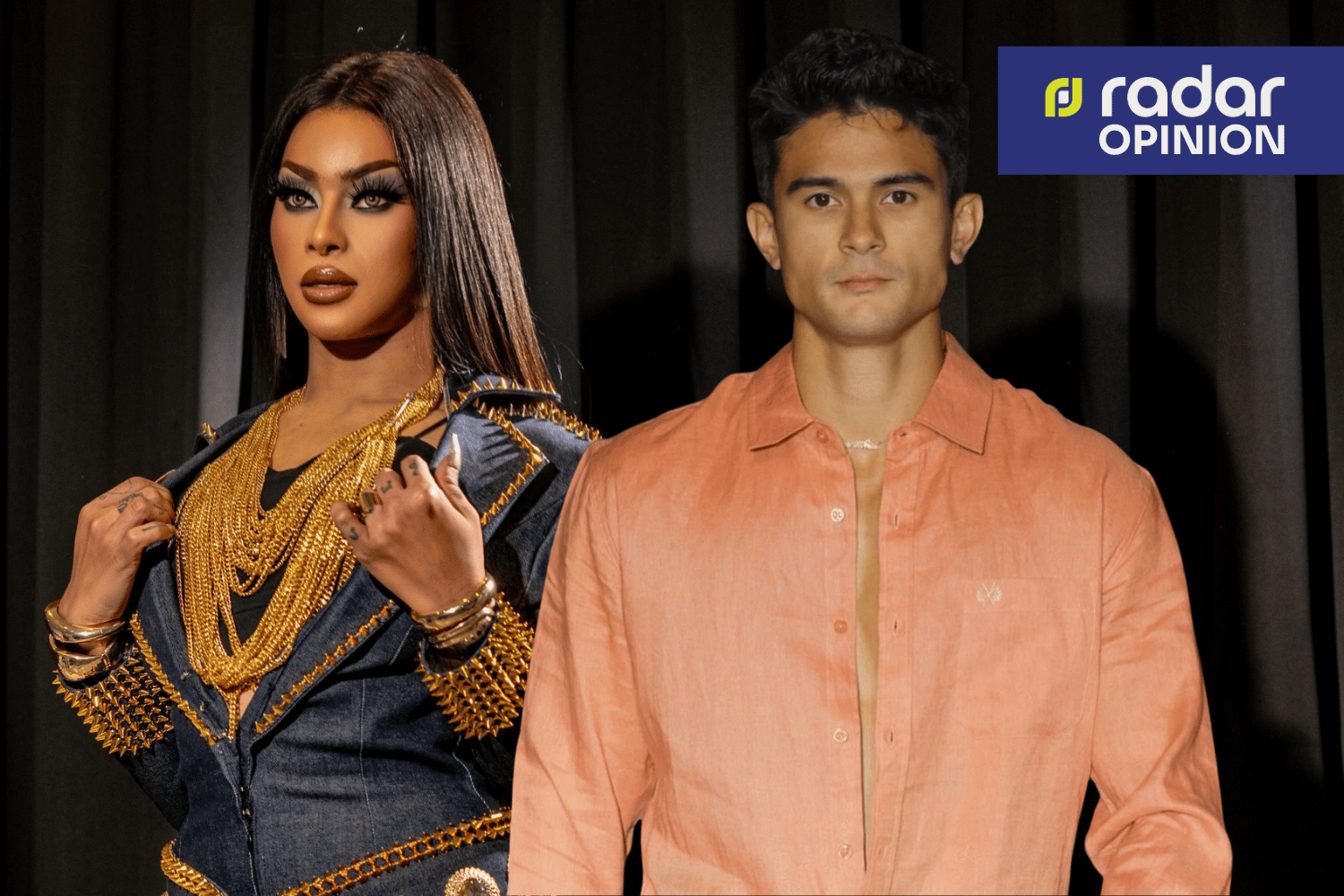
Maxie Andreison, Brandon Espiritu spark debate on forgiveness and accountability.
Yesterday, social media watched two versions of Maxie Andreison.
The first was the viral video. It showed the “Drag Race Philippines” Season 3 winner slapping and kicking another person during a heated confrontation, leaving many of her supporters shocked and disappointed.
Hours later came another version.
Maxie went live on Facebook, repeatedly admitted she was wrong, apologized to both the people involved and her supporters, and said she never wanted to become that person again. She wasn’t asking anyone to excuse what she did. She simply acknowledged that hurting another person was wrong and hoped her apology would be the last one she would have to make.
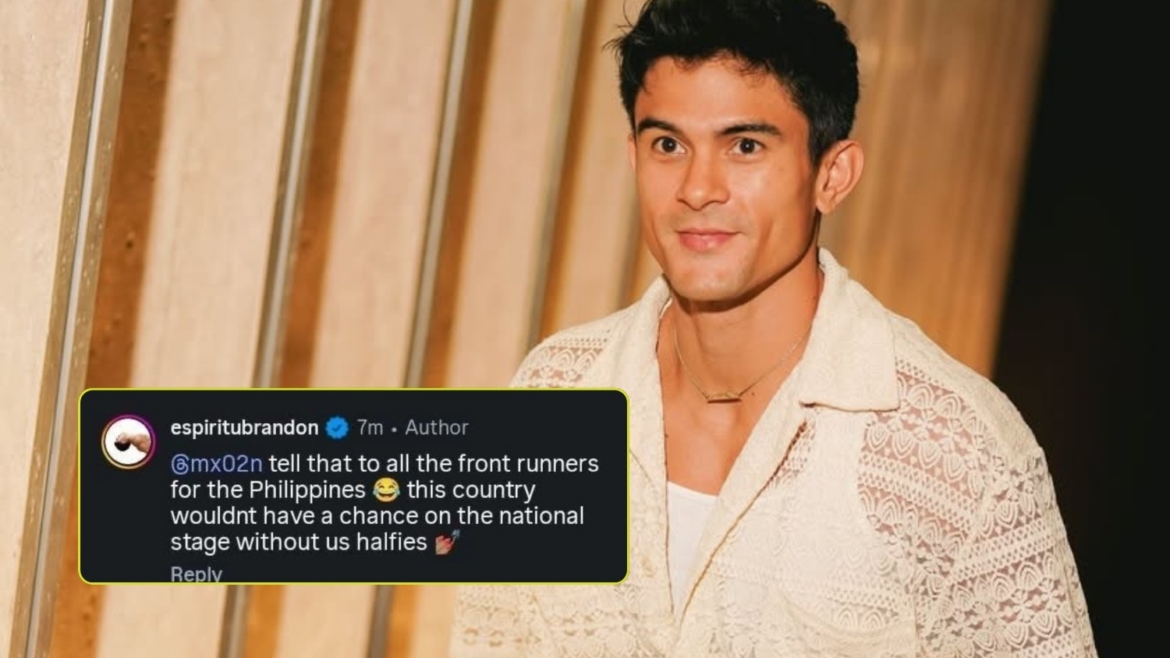
Just weeks ago, content creator Brandon Espiritu found himself in a similar position. After drawing backlash for his controversial remarks about “halfies,” he also apologized publicly, admitting that his words had caused hurt.
Different controversies. Different apologies. The same question. When public figures apologize, should we forgive them?
Filipinos like to think we believe in second chances. The truth is, we’re also remarkably good at moving on. Our entertainment industry is full of celebrities who have survived controversies that once looked career-ending. Offensive remarks, public meltdowns, infidelity, physical altercations, legal troubles—many eventually found their way back to primetime television, blockbuster films, endorsement deals, and sold-out concerts.
Others never did. That’s because public forgiveness has never been consistent. It’s emotional. It’s personal. Sometimes it’s influenced by fame. Sometimes by likability. Sometimes by how quickly the internet finds a new person to be angry at.
Perhaps that’s why we often mistake forgetting for forgiving. But they are not the same. An apology should never be the finish line. It should only be the beginning.
Before we forgive a canceled public figure, three things should happen. First, justice—or at the very least, appropriate consequences—must be served. Saying “sorry” should never erase accountability. If laws were broken, legal consequences should follow. If someone physically hurts another person, there should be consequences beyond public embarrassment.
Second, remorse must be genuine. Not every apology deserves applause. Filipinos have become experts at recognizing the difference between authentic regret and damage control written by a PR team. A real apology accepts responsibility without excuses and without asking the public to move on immediately.
Finally, time must do its work. Real change cannot be proven in a livestream, a press conference, or an Instagram post. It is measured months and years later through consistent behavior. The strongest apology is not spoken. It is lived.
Maybe Maxie has changed. Maybe Brandon has learned. Only time can answer that.
Until then, perhaps we should resist two extremes: canceling people forever, or welcoming them back the moment they say “I’m sorry.”
Forgiveness is one of the best things about being Filipino. But forgiveness should never be automatic. It should be earned.
READ: