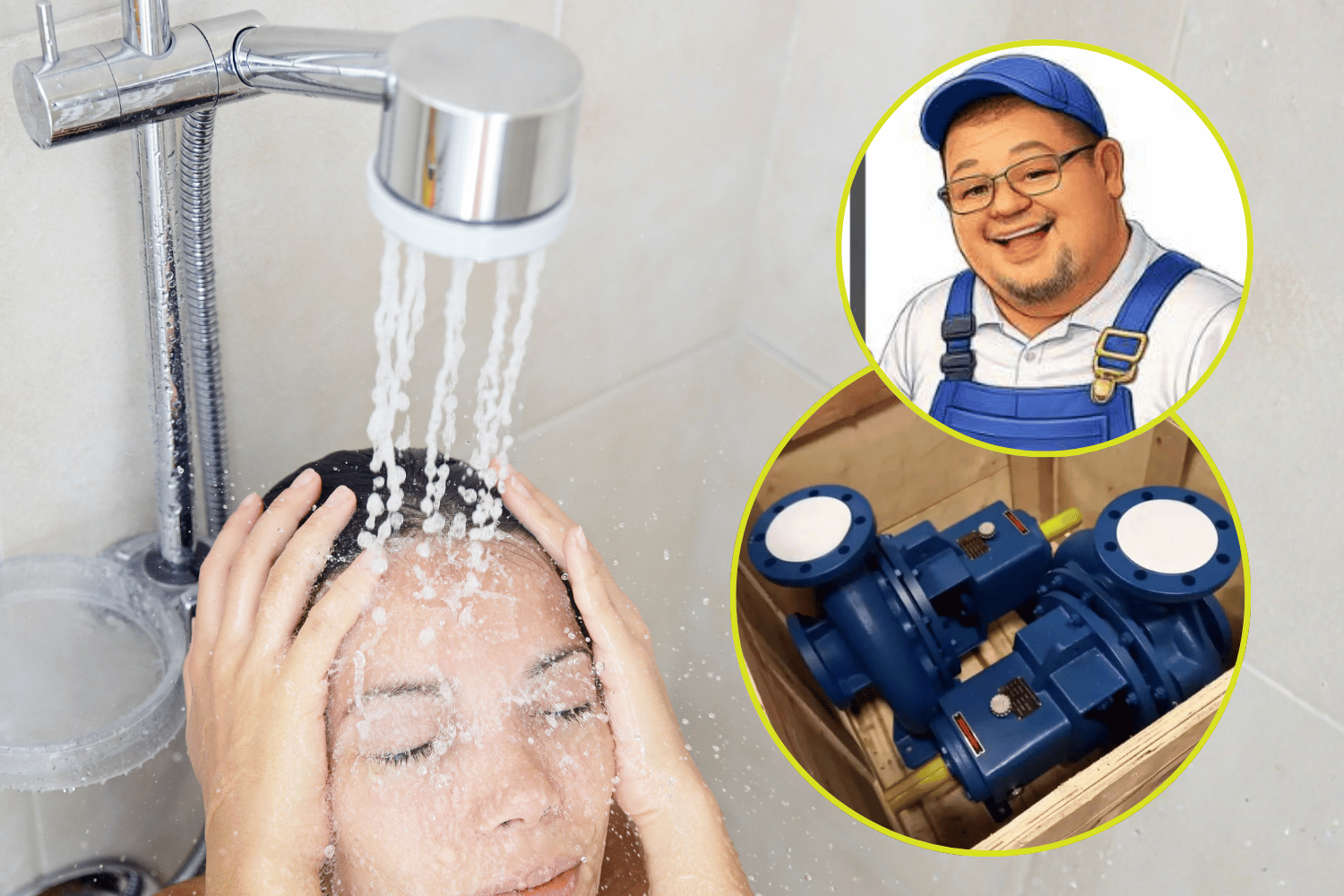
“Hindi ang water district ang biktima ng booster mo — ang kapitbahay mo,” the engineering services page wrote on Facebook.
Why your water is stronger
Neighborhood water lines are shared. When a booster pump sucks directly from a service line, it can create a localized drop in pressure.
“Hindi ka na ‘kumukuha ng share mo’ — humihila ka,” PumpExperts.ph explained.
The result? Homes farther along the line or those trying to bring water to upper floors may experience weaker flow—or even lose water altogether.
There’s a more serious risk
According to PumpExperts.ph, excessive suction during periods of already-low supply can potentially push line pressure dangerously low.
Normally, positive pressure forces water outward through small leaks in pipes. But when pressure becomes sufficiently low or negative, contaminated groundwater or other substances surrounding damaged pipes may be sucked inward.
This is called backsiphonage, a recognized contamination hazard in water systems.
The danger is that contamination may not stay inside the house using the pump. If it enters a shared distribution line, other households could potentially be exposed.
Direct suction is prohibited
Philippine sanitation regulations prohibit booster pumps from drawing water directly from public water distribution lines and require potable water systems to be protected against backsiphonage and other forms of contamination.
But this doesn’t mean booster pumps themselves are automatically prohibited.
The proper solution is a storage or cistern tank. Water from the utility line first enters the tank normally, then the booster pump draws from that stored water instead of sucking directly from the public line.
So before blaming the water district for mysteriously weak pressure, it may be worth looking around the neighborhood.
Someone else’s powerful booster could be part of the problem.
As PumpExperts.ph puts it: “Tangke muna, tsaka bomba.”
READ: