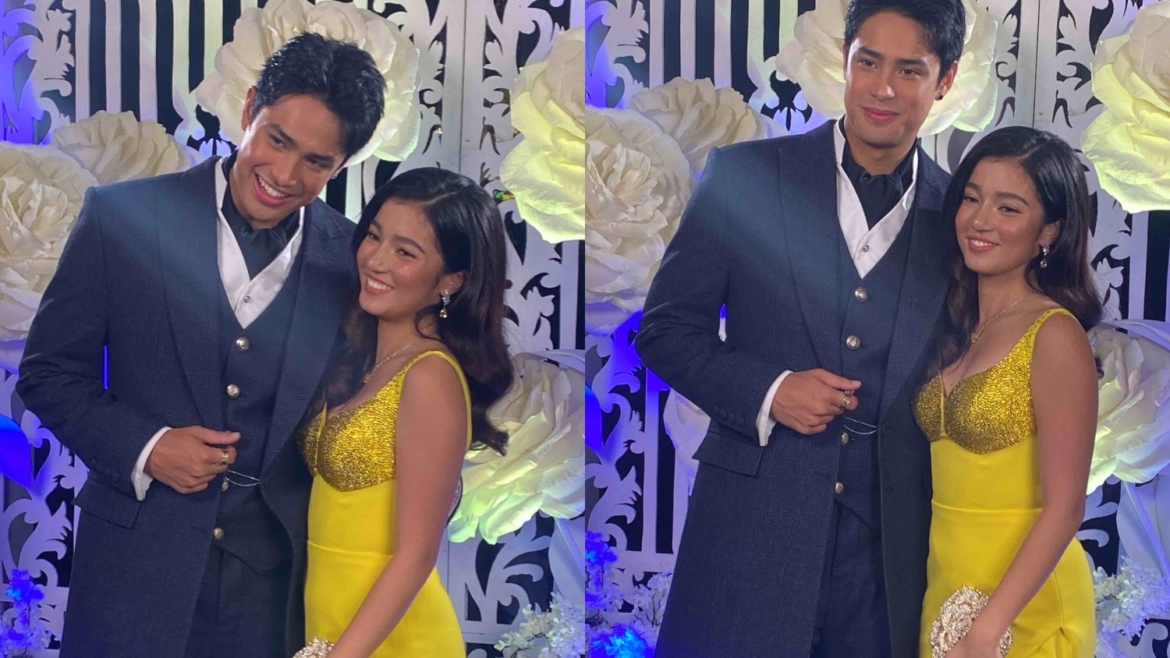
“Tayo sa Wakas” strips DonBelle of their usual formula, forcing Donny Pangilinan and Belle Mariano into something more raw and uncertain.
Before the questions, before the risk, there was the formula—and it worked.
Donny Pangilinan and Belle Mariano didn’t just rise as a love team, they thrived in it.
From soft, slow-burn storytelling to emotionally reassuring narratives, DonBelle built their identity on a kind of love that felt gentle, secure, and ultimately rewarding. The kind audiences didn’t have to doubt.
They were “lovey-lovey” in the way Filipino love teams are designed to be: affectionate but controlled, emotional but never too heavy, always leaning toward hope.
That consistency became their strength—and their limitation.
Because “Tayo sa Wakas” doesn’t seem interested in preserving that image.
When the comfort zones stop working
This time, the shift isn’t subtle.
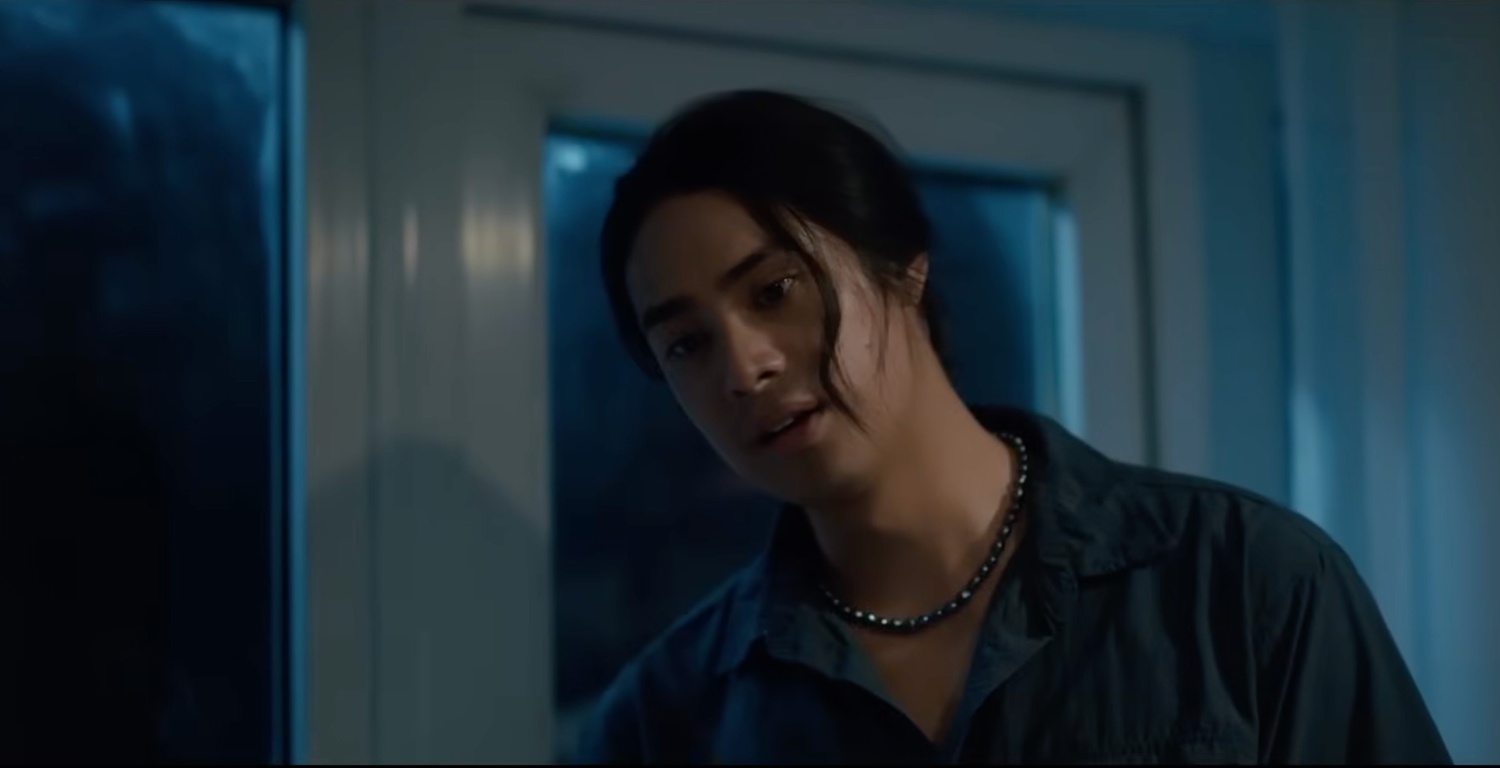
Donny calls the film “real,” emphasizing how he had to learn honesty and vulnerability—not as performance, but as process. That alone suggests a departure from the polished, almost instinctive rhythm they’ve developed over the years.
Because chemistry, while powerful, can only take you so far.
And in a film that questions love itself, chemistry isn’t enough to carry the weight.
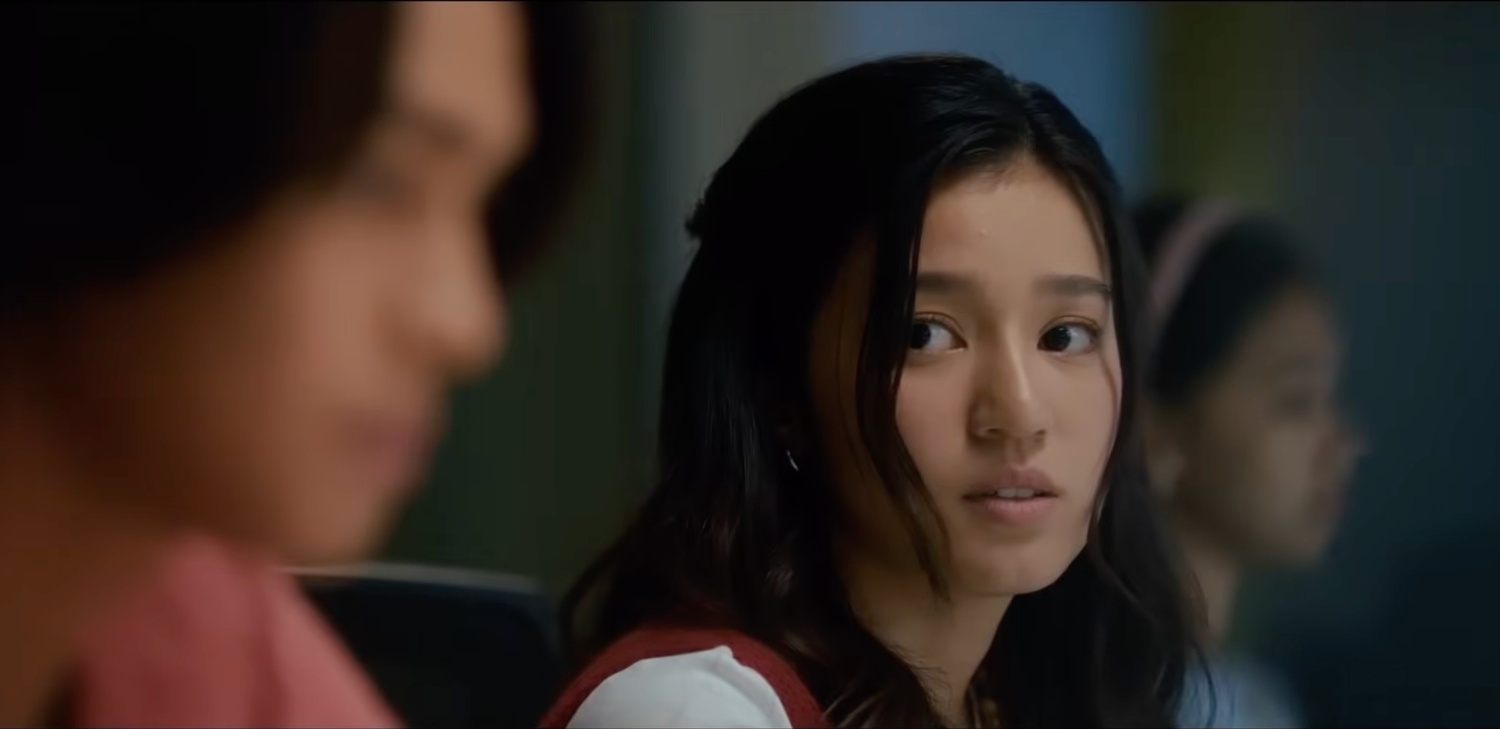
Belle’s experience points to something even more telling. Being “pigang piga” by Cathy Garcia-Sampana is expected—but her reflection, “binago ako ng pelikulang ’to,” signals something deeper than a challenging shoot.
It suggests a breaking point.
Not of the love team, but of the version of herself that existed comfortably within it.
The risk of breaking the illusion
Here’s the tension “Tayo sa Wakas” creates:
DonBelle’s audience didn’t just invest in their stories—they invested in the feeling those stories gave. Lightness. Certainty. A belief that love, no matter the obstacle, would eventually make sense.
This film disrupts that.
It introduces a version of love that is uncertain, layered, even conflicting. A relationship where staying together is no longer the obvious choice, but a question that needs to be confronted.
And that’s where the risk lies.
Because once you challenge the fantasy, you also challenge the foundation of the love team itself.
Evolution or Estrangement? There’s no doubt that this film is aiming higher.

A narrative that asks, “What if the person you love stands in the way of your dreams?” demands performances that go beyond kilig. It requires restraint, discomfort, and emotional honesty—things that don’t always align with the expectations placed on established love teams.
So the question becomes sharper:
Can Donny and Belle carry a story where love isn’t the reward—but the conflict?
Can they exist on screen not just as DonBelle, but as two actors navigating something painfully human?
Or will the shift feel too distant from the “lovey-lovey” identity that made audiences stay in the first place?
There’s a version of “Tayo sa Wakas” that becomes a milestone—a film that redefines DonBelle, proving they can outgrow the very formula that built them.
But there’s also a version where that same attempt feels like a disconnect, where audiences struggle to reconcile the love team they fell for with the one being presented now.
And maybe that’s the point.
Because for the first time, DonBelle isn’t just selling a love story.
They’re testing if they can survive without one.
So when you walk into “Tayo sa Wakas,” you’re not just watching a relationship unfold.
You’re watching a love team decide what comes after being a love team.