Strategic oil stockpile system cushions fuel from supply shocks, disasters, and geopolitical crises.
The Philippines is moving closer to creating a strategic petroleum reserve system to keep fuel supplies flowing even during global crises, natural disasters, or major disruptions in international markets.
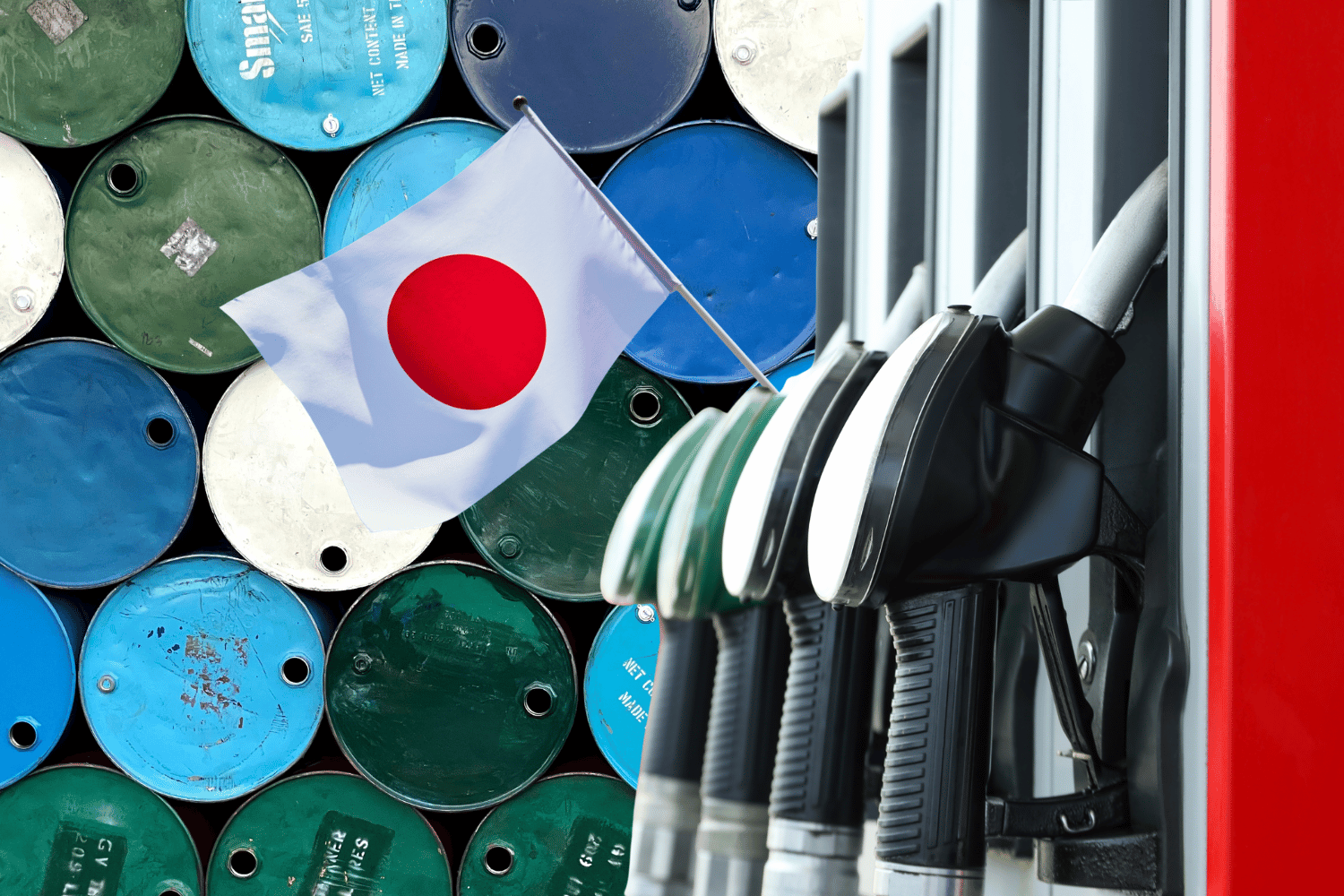
The plan follows a new partnership with Japan focused on strategic oil reserves and regional energy security. While the country already requires oil companies to maintain fuel inventories, those stocks are commercial in nature and generally provide only several weeks of supply.
Japan, which operates one of the world’s most extensive strategic petroleum reserve systems, is expected to provide technical assistance, feasibility studies, and planning support. Japanese government agencies, financial institutions, and engineering firms are also expected to serve as potential partners.
The Department of Energy is currently working with the Philippine National Oil Company and the Maharlika Investment Corporation to determine how the reserve could be funded, developed, and operated. Initial assessments indicate that the project may be implemented gradually in multiple phases.
Under the proposal, a separate government-backed reserve could be tapped during extraordinary situations such as geopolitical conflicts, supply chain disruptions, or emergencies affecting fuel availability.
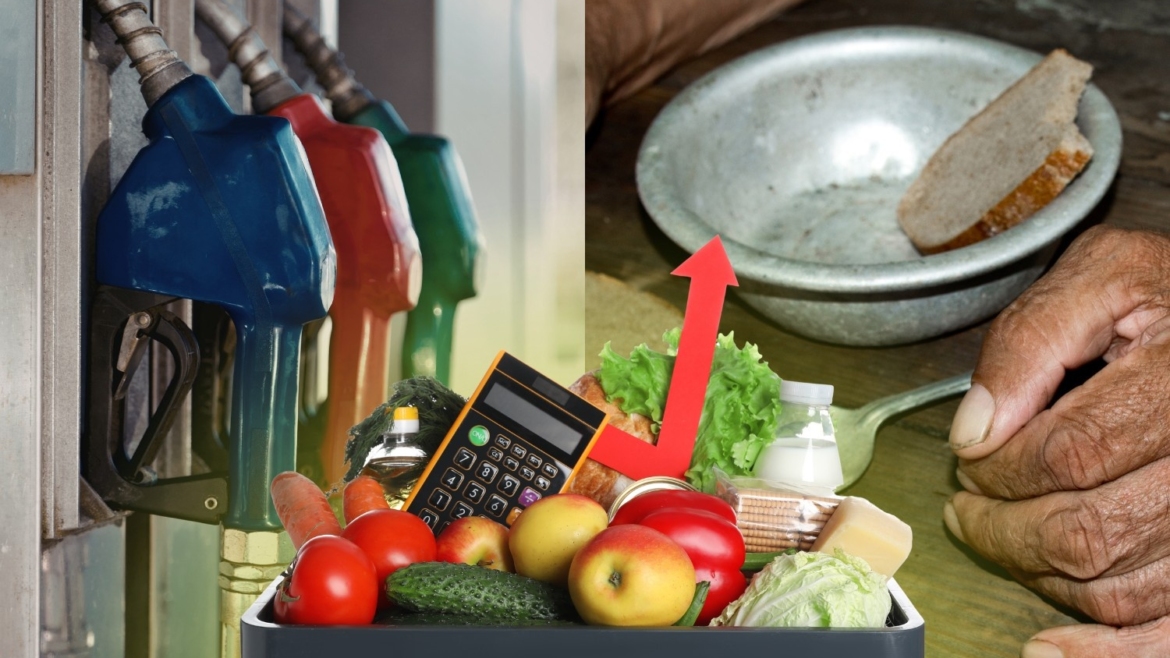
Recent global crises have shown how disruptions in oil-producing regions, shipping routes, and international trade can quickly affect fuel prices and supplies, translating to higher transportation, manufacturing, agriculture, and household expenses.
The country is also participating in discussions on a proposed ASEAN-wide fuel stockpiling framework to improve the region’s preparedness against future energy supply disruptions.
READ: