Government tech, health startups, youth-led ventures among those recognized.
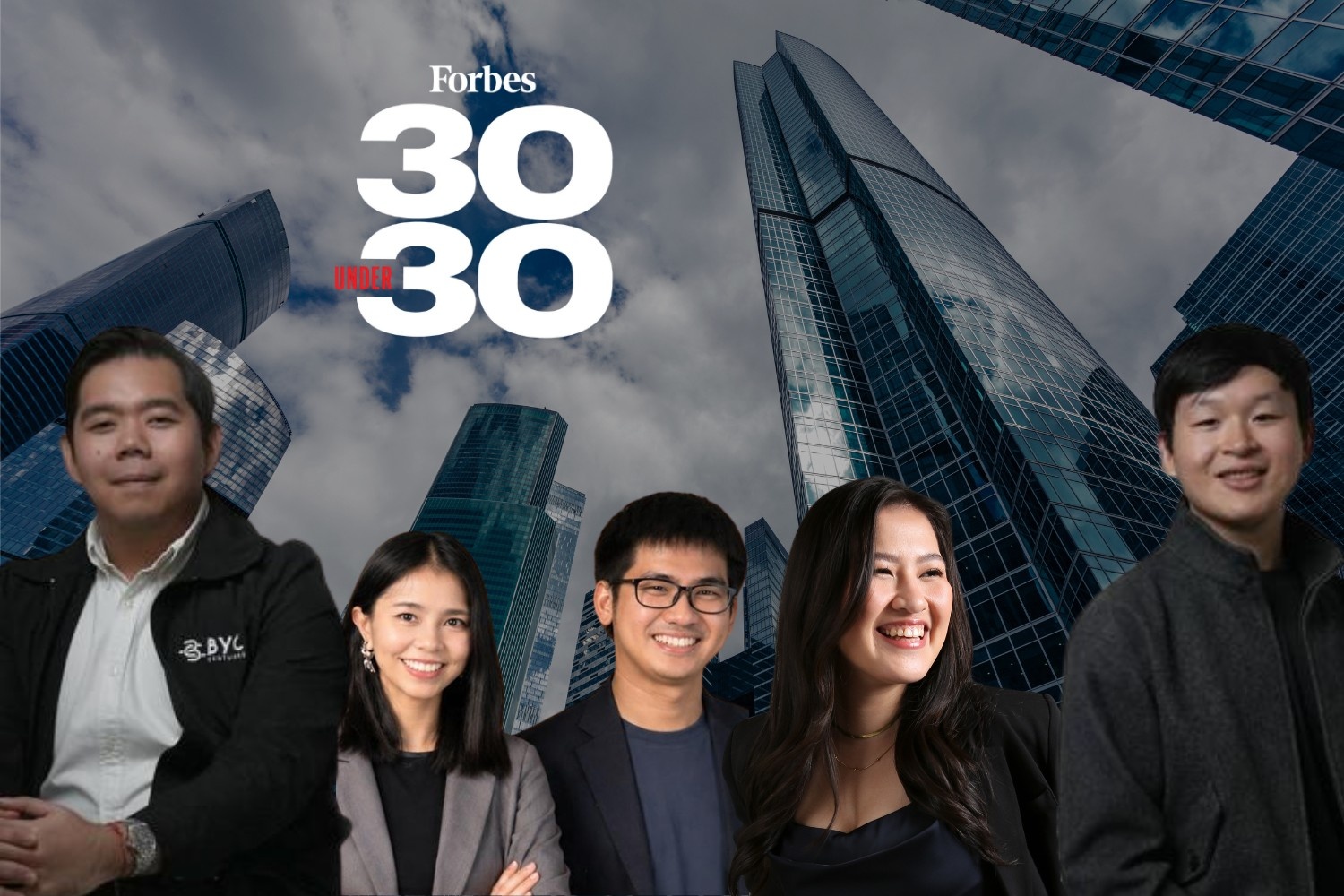
Behind the popular names on Forbes’ 2026 30 Under 30 Asia list is a group of young Filipinos building businesses and organizations that address some of the country’s biggest challenges, including mental health and healthcare access, government transparency, and youth empowerment.
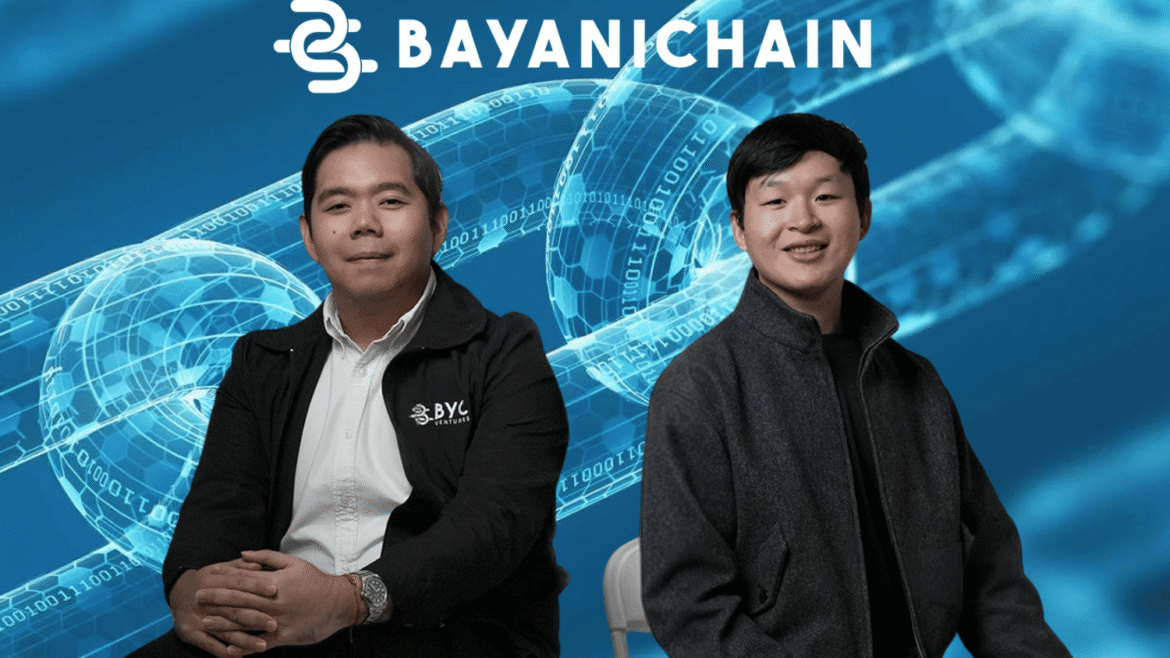
Among those recognized are BayaniChain Tech co-founders Raphael Sevilla and Brandon Angelo Wong, whose company develops blockchain systems designed to help governments and organizations secure records, improve transparency, and reduce opportunities for corruption-related activity.
Kharl Christian Yeung of Amico Innovations, a pet nutrition startup that attracted the attention of food giant Monde Nissin, also made the list. The multinational food and beverage manufacturing company acquired a majority stake in Amico in 2024.
In healthcare, Martin Joaquin Palaña of GoRocky was cited for creating a digital platform that connects men with licensed doctors and pharmacies for sensitive health concerns, including erectile dysfunction and hair loss, while Steph Naval’s Empath has expanded affordable mental health services to tens of thousands of Filipinos through online counseling and psychiatric care.
The list also recognized Pauline Dizon and Adrian Jumangit, founders of FAN Connection, a business built around fan communities, merchandise licensing, and live events. They were responsible for securing the collaboration between Penshoppe and BTS in 2023.
Meanwhile, Saje Miguel Molato of Siklab and Emmanuel Mirus Ponon of the ASEAN Youth Advocates Network were honored for initiatives focused on youth leadership, education, skills development, and civic participation across Southeast Asia.
Tennis ace Alex Eala and singer-songwriter Zack Tabudlo made their marks on the list as well.
Recognition on the Forbes list is often viewed as a career-defining milestone, helping founders attract investors, customers, and partnerships. However, the distinction has not been without controversy.
In the United States, several former Forbes 30 Under 30 honorees have later faced allegations or convictions involving fraud, financial misconduct, and institutional governance failures, raising questions about whether the list functions partly as a networking platform that can align with corporate interests.
Still, Filipino entrepreneurs are increasingly building ventures around social impact, technology, and underserved communities to shape their legacies and strengthen their communities.
READ: